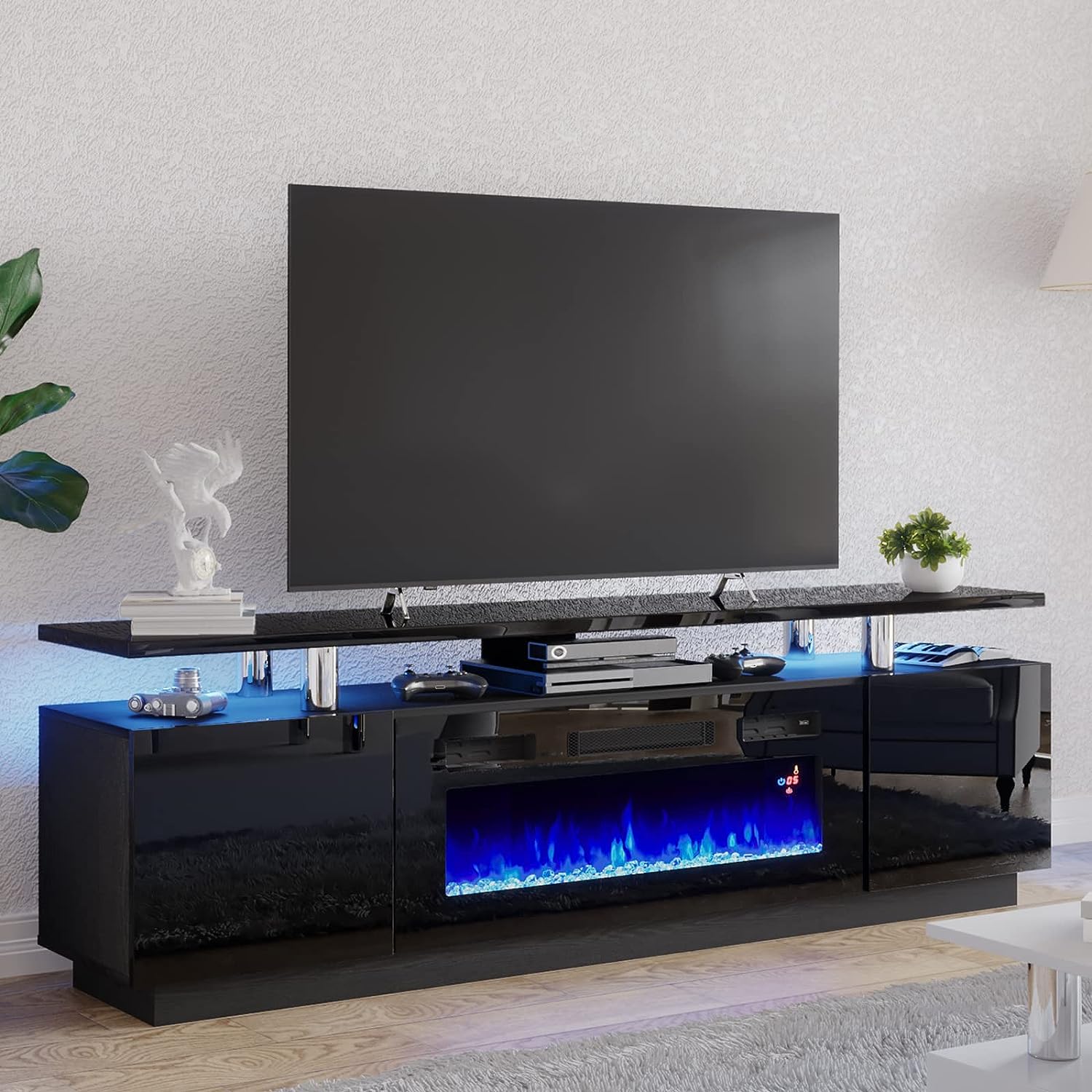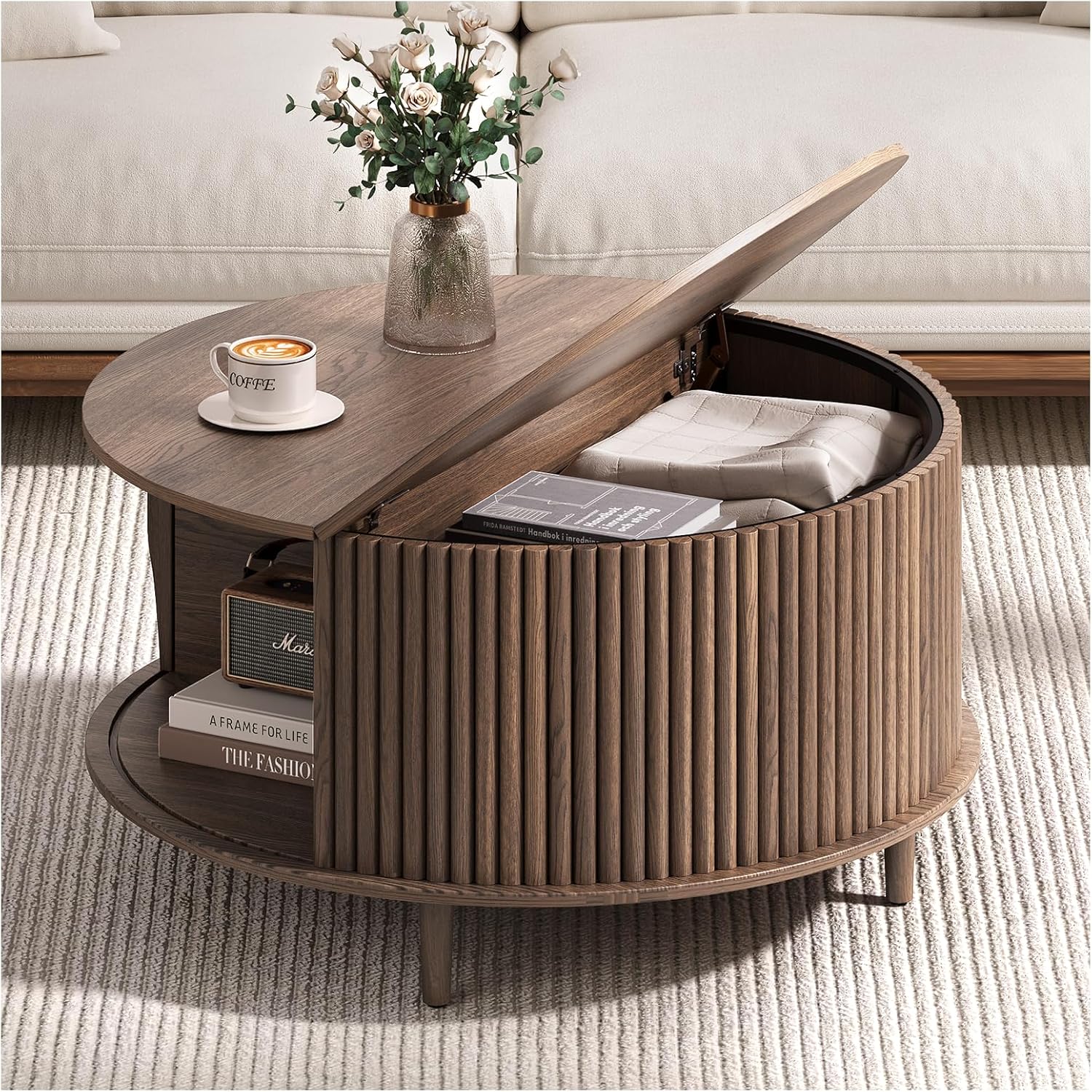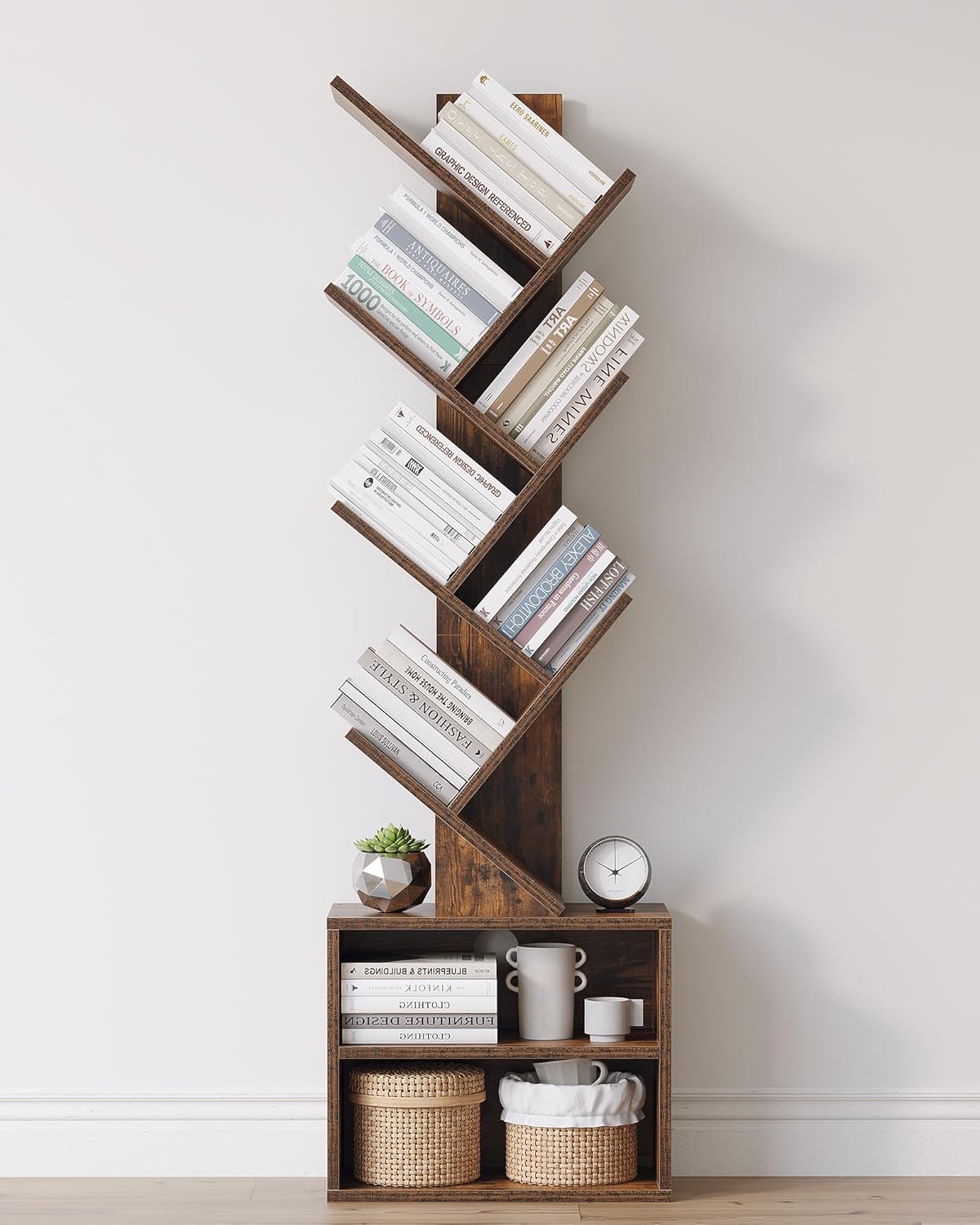
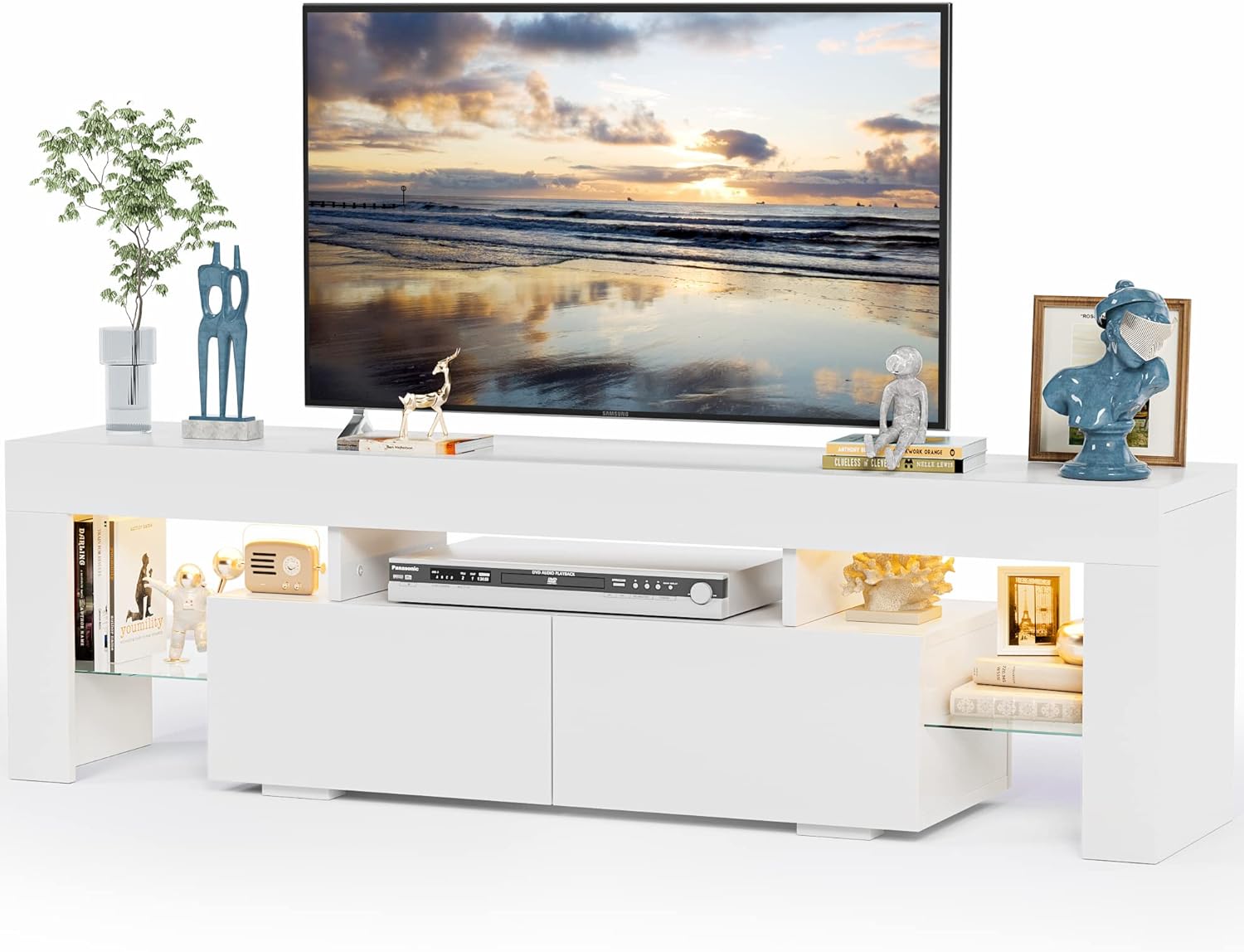
The entertainment center has evolved from a purely functional TV stand into one of the most prominent design features in a living room. Depending on how it's handled, it can either anchor the room with quiet confidence or dominate it with visual chaos. The difference mostly comes down to three things: cable management, thoughtful styling, and strategic use of light.
Here's a practical breakdown of every aspect of styling and organizing an entertainment center, from the cords behind the unit to the objects on its shelves.
Sort Out the Cables First
Before you place a single decorative object, address the cables. A beautifully styled entertainment center is visually undermined immediately by a tangle of visible cords. The good news is that effective cable management is straightforward.
Behind-unit cable management
- Cable raceways: Flat plastic channels that mount to the wall and route cables from your TV down to the unit. Paint them to match the wall color and they become nearly invisible.
- In-wall cable kits: The cleanest solution, pass the cables through a pair of wall plates so they disappear completely between the TV and the outlet. Suitable for finished walls; requires some DIY confidence.
- Velcro cable ties: Bundle cables together in groups (power cords together, HDMI cables together) and secure them to the back of the unit or along the floor baseboard.
On the unit itself
- Use a cable box or power strip with a long cord to consolidate all device power cables into one exit point
- Label cables at both ends (masking tape + marker) so you can identify them without tracing
- Use cable clips stuck to the back or underside of shelves to keep device cables routed neatly
Grouping Rules for Open Shelves
Entertainment centers typically have a mix of closed storage (for DVDs, remotes, cables, and things you'd rather not see) and open shelves (for display). The open shelves are where styling matters.
Follow these grouping principles:
- Odd numbers: Group objects in threes or fives. Even-numbered groupings feel static and corporate; odd numbers feel organic and curated.
- Vary the height: Alternate tall and short objects within a grouping. A tall vase, a mid-height book stack, and a small plant create visual rhythm. Objects all at the same height feel monotonous.
- Mix textures and materials: Don't put three ceramic objects together, break it up with one natural-material piece (wood, rattan, stone) and one metallic element.
- Use books strategically: Stack books horizontally rather than vertically for a design-conscious look, and use them as platforms to elevate smaller objects.
- Leave breathing room: Not every shelf needs to be full. Empty space is a design element, not a mistake.
Balancing Display Items with Functional Items
Most entertainment centers need to hold both decorative things and practical ones (game consoles, remotes, streaming devices, cables). The key is intentional segregation:
- Functional items go in closed cabinets or drawers, ideally in designated baskets or boxes so they're organized when the door is opened
- Decorative items go on the open shelves that flank the TV, not directly beside or below it (where they compete with the screen)
- One or two small functional items (a beautifully designed remote holder, a tasteful speaker) can live on the display shelves if they're genuinely attractive objects
Symmetric vs. Asymmetric Styling
Entertainment centers with matching shelving units on either side of the TV present a choice: do you style them symmetrically (mirrored objects on each side) or asymmetrically (different objects that balance each other visually)?
Symmetry is formal and elegant, it works well in traditional, classic, and maximalist interiors. Asymmetry feels more relaxed and contemporary, better suited to Scandinavian, mid-century, or eclectic styles.
Neither is wrong. What matters is choosing one approach and committing to it rather than ending up with an accidental mix.
Using Light to Elevate the Entertainment Center
Lighting transforms an entertainment center from furniture into a feature. The most effective techniques:
- Bias lighting: A strip of LED light mounted behind the TV (on the wall, not the unit itself) reduces eye strain during viewing and creates an ambient halo effect. Warm white (2700K) is more atmospheric than the default multicolor RGB strips sold for gaming.
- Shelf lighting: LED puck lights or a thin strip light installed under each shelf casts a downward glow that dramatically elevates displayed objects. Many modern entertainment centers come with pre-routed channels for this purpose.
- Accent lamps: A small table lamp or sculptural lamp placed on a lower shelf adds warm, directed light to that section of the unit and visually connects the entertainment center to the rest of the room's lighting scheme.
The TV Wall Beyond the Unit
The entertainment center doesn't exist in isolation, it's part of a wall. Consider how the surrounding wall is treated:
- An accent wall in a contrasting color or with a textured treatment (wood paneling, limewash paint, wallpaper) frames the entertainment center and gives it the prominence of a designed focal point rather than a piece of furniture that happens to be on the wall
- Nothing on the wall: A clean wall with a floating TV and a sleek low-profile media console below it is the most modern, minimal approach, effective in Scandinavian and Japanese-inspired spaces
- A gallery arrangement: If your TV is wall-mounted, consider flanking it with framed prints at the same height as surrounding objects on the media shelves, creating a cohesive wall composition
Maintenance: Keeping It Looking Good
Even the best-styled entertainment centers drift back toward clutter over time. Build a simple monthly habit:
- Remove everything from the open shelves and wipe them down
- Return only the items you consciously want displayed
- Put anything that gathered on the shelves without intention into the closed storage where it belongs
- Check that cables are still bundled properly behind the unit
This 20-minute reset keeps your entertainment center, and by extension your living room, feeling intentional and cared for throughout the year.