Floating Shelves vs. Traditional Bookshelves: Complete Comparison
Choosing between floating shelves and traditional freestanding bookshelves affects both aesthetics and functionality. Each option offers distinct advantages depending on your space, storage needs, and design preferences. This comprehensive guide helps you decide which solution works best for your home.
What Are Floating Shelves?
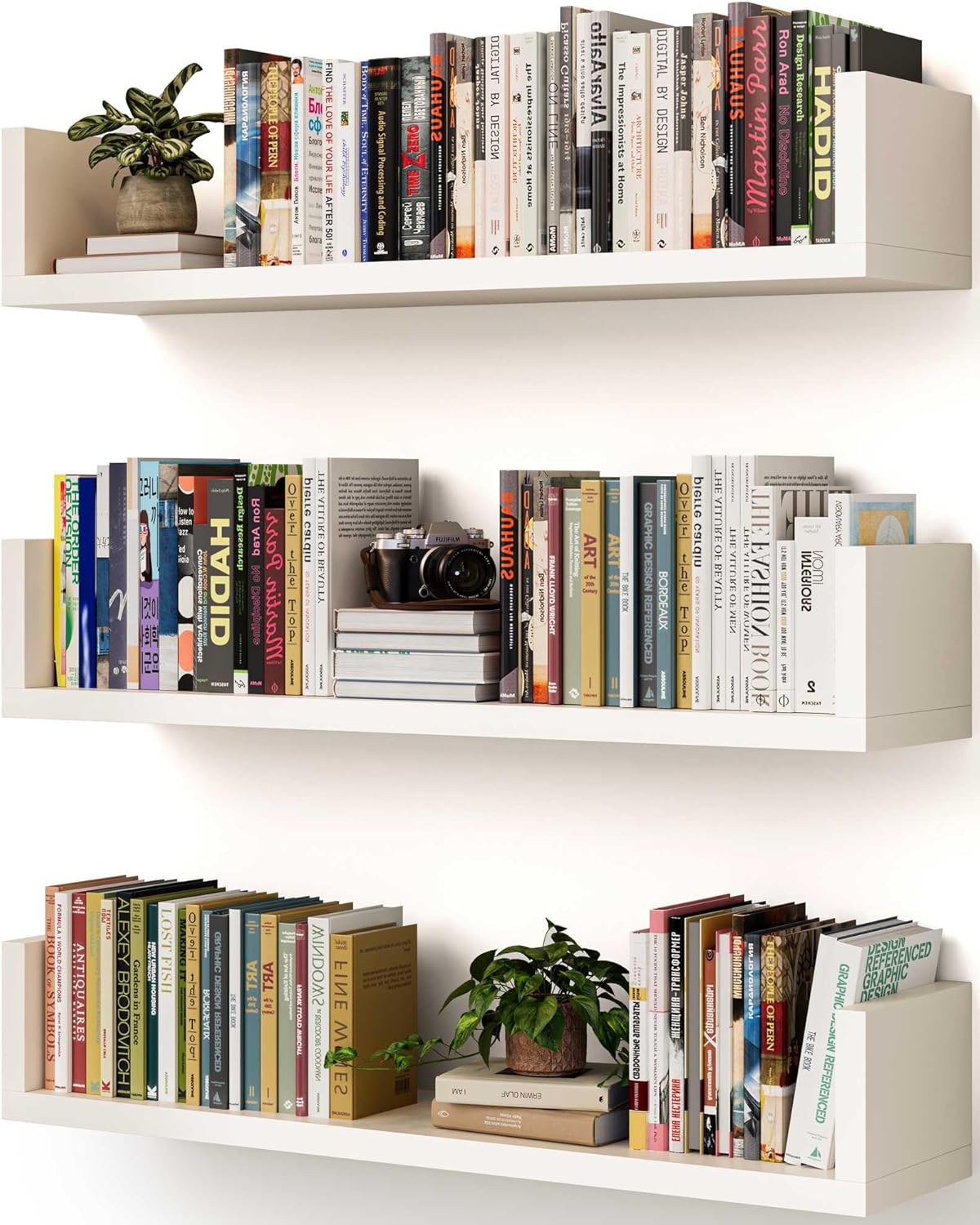
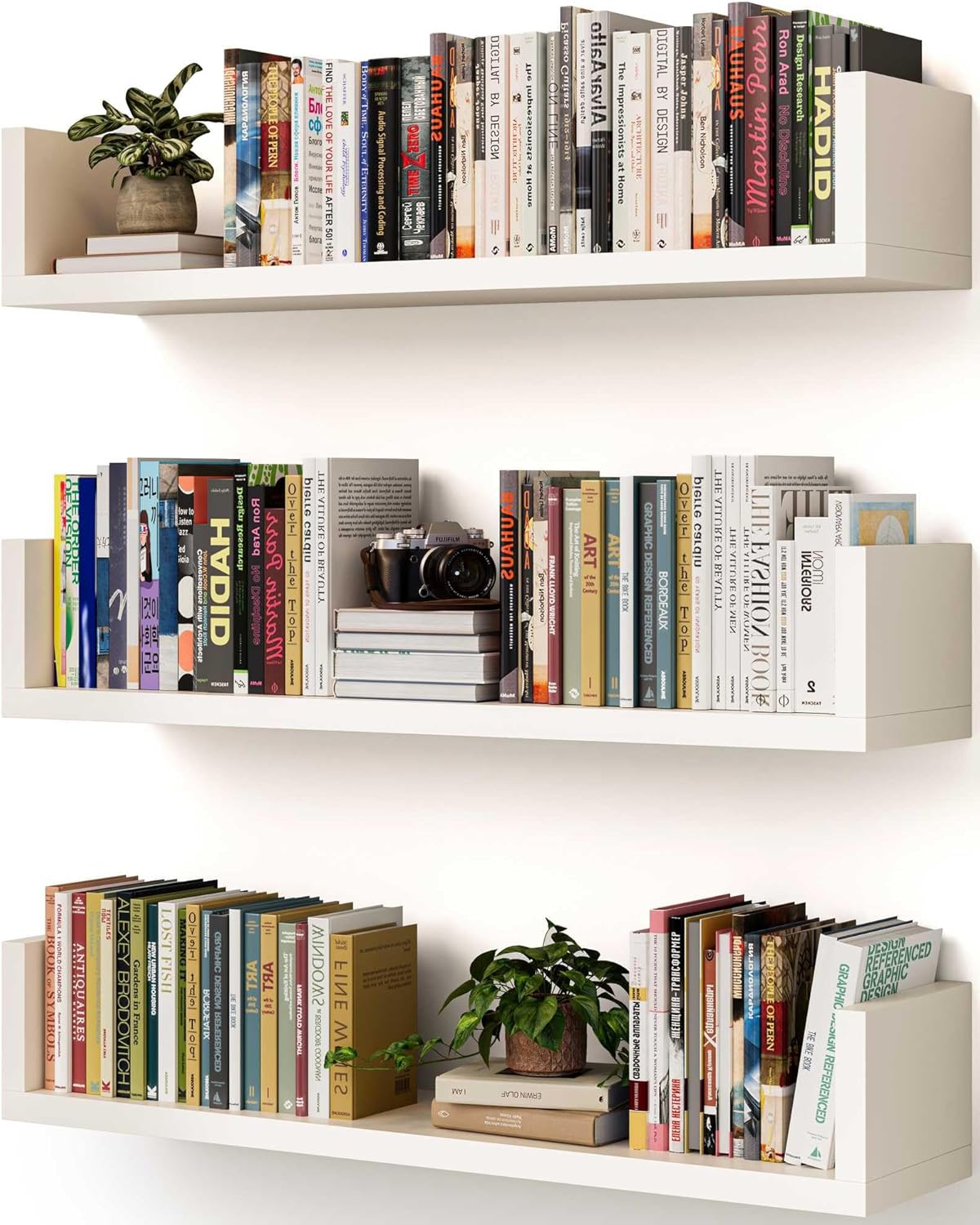
Floating shelves attach directly to wall studs using concealed brackets, creating the appearance of shelves "floating" without visible support. The mounting hardware is hidden within or behind the shelf, resulting in a clean, minimalist look.
Traditional Bookshelves Defined
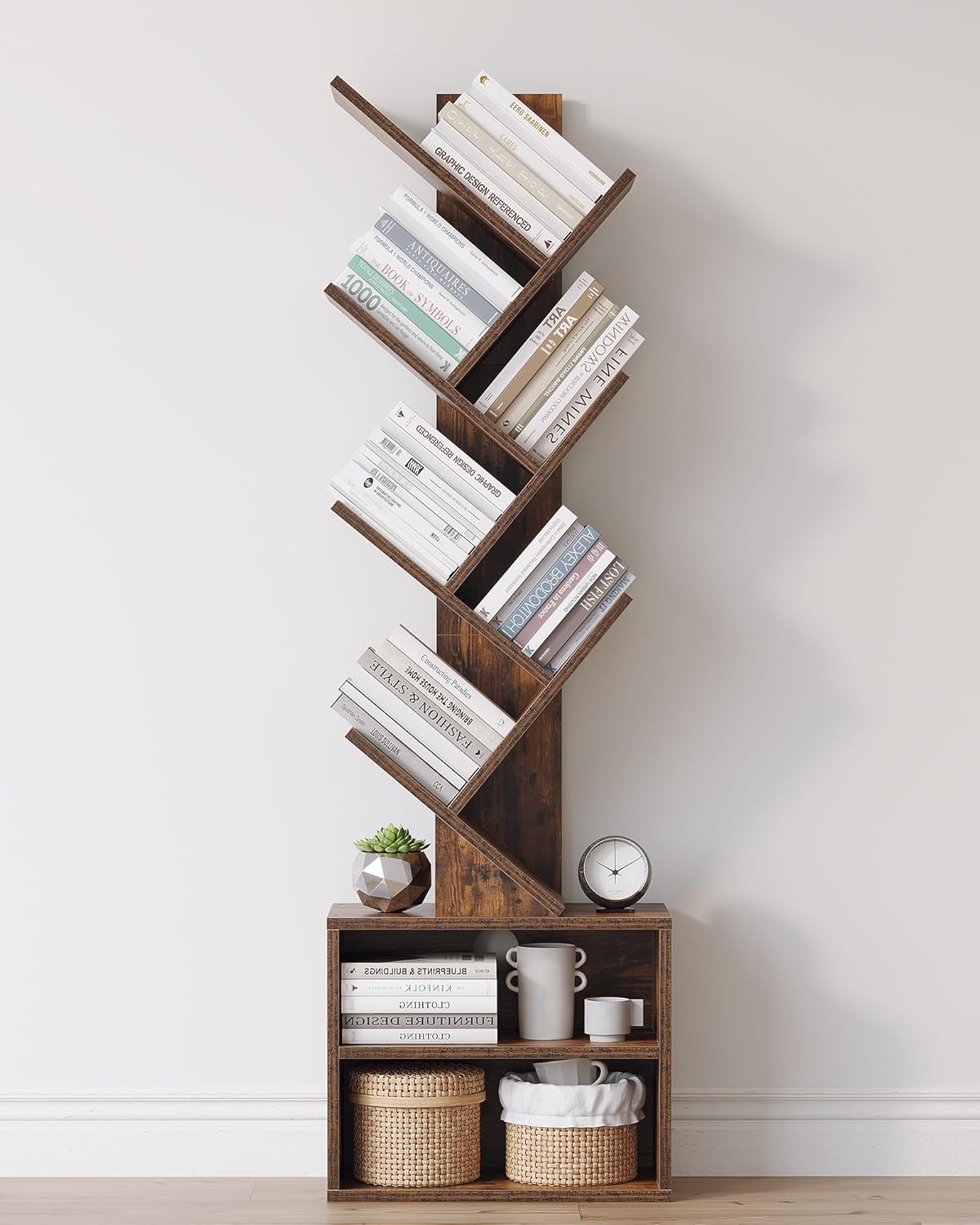
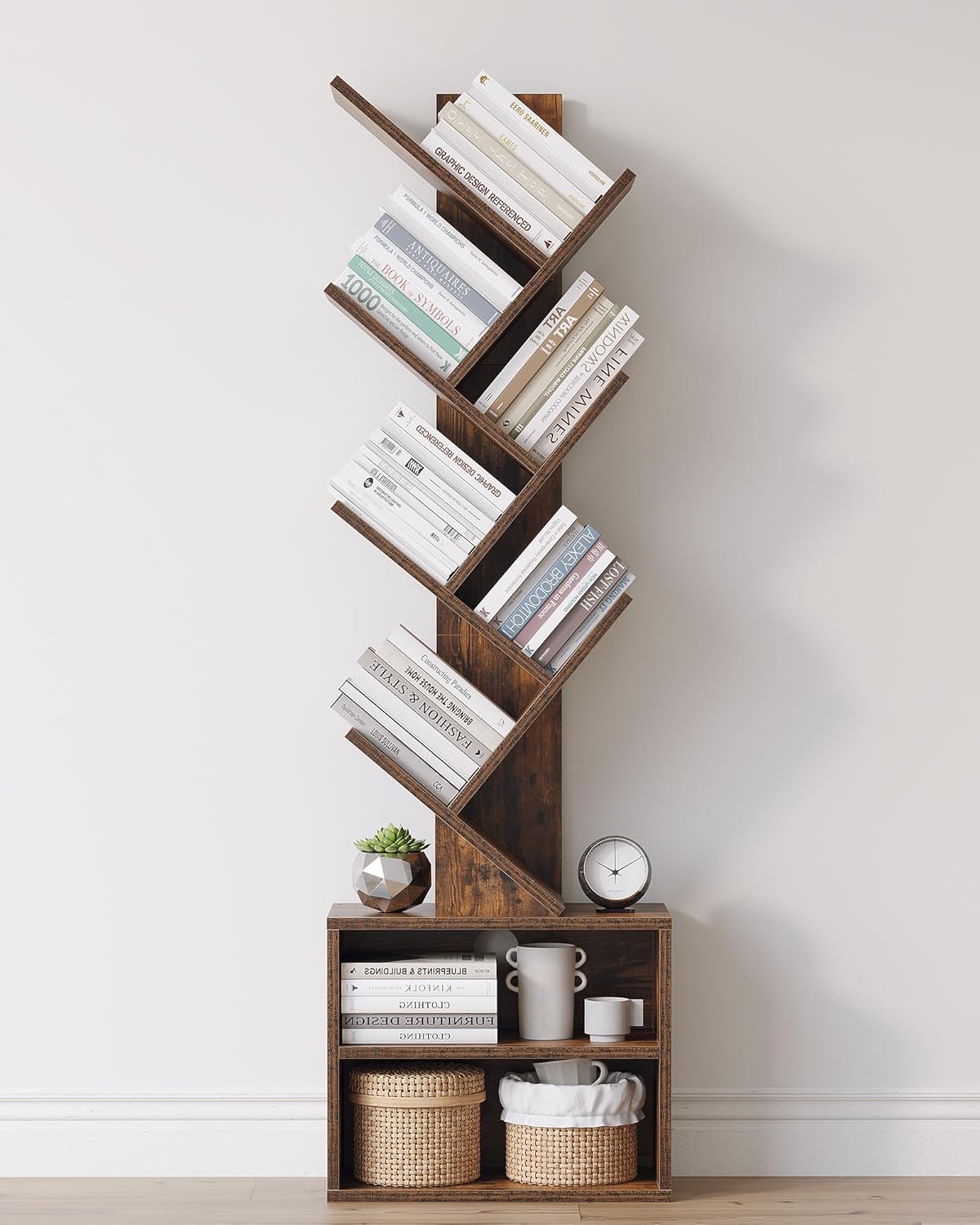
Freestanding bookshelves are self-supporting furniture pieces that rest on the floor. They range from simple utility shelving to elaborate display units with backs, sides, and decorative details. No wall mounting required: simply position and use.
Aesthetic Comparison
Floating Shelves:
- Modern, minimalist appearance
- Create visual lightness and spaciousness
- Showcase the wall behind them
- Customizable arrangement and height
- Work well in contemporary, Scandinavian, and industrial interiors
Traditional Bookshelves:
- Furniture-quality presence and substance
- Available in numerous style periods (traditional, modern, rustic, etc.)
- Complete, finished look with backs and sides
- Can be statement pieces in room design
- Suit any decor style based on selection
Weight Capacity
Floating Shelves: Limited by wall type and mounting system. Stud-mounted shelves support 25-75 pounds depending on bracket design. Heavier books require professional installation and robust mounting. Not suitable for large book collections or heavy decorative objects.
Traditional Bookshelves: Significantly higher capacity: quality units support 50-200+ pounds per shelf. The floor-based design distributes weight effectively. Ideal for extensive book collections, heavy sculptures, or mixed media storage.
Installation Requirements
Floating Shelves:
- Requires drilling into walls
- Must locate wall studs for secure mounting
- Installation complexity varies (30 minutes to 2 hours)
- Challenging in rental properties
- May require professional installation for heavy-duty applications
- Leaves holes when removed
Traditional Bookshelves:
- No installation required
- Some assembly may be needed
- Should be anchored to wall for safety (requires small holes)
- Portable: moves with you
- Rental-friendly option
Flexibility and Reconfiguration
Floating Shelves: Can be arranged in creative patterns, staggered heights, and asymmetrical layouts. Changing configuration requires patching old holes and drilling new ones. Less flexible for rearranging but more flexible for initial design.
Traditional Bookshelves: Easy to move or reposition. Shelves inside unit often adjustable. Can relocate to different rooms as needs change. However, fixed shelf height inside unit limits some styling possibilities.
Storage Capacity
Floating Shelves: Lower overall capacity. Typically 6-36 inches of shelf space per unit. Multiple shelves increase capacity but add installation time and cost. Open design provides no hidden storage.
Traditional Bookshelves: High capacity: standard 6-shelf unit provides 30+ linear feet of storage. Closed-back designs prevent items from falling behind. Some models include drawers or cabinets for concealed storage.
Cost Comparison
Floating Shelves:
- Shelves: $20-150 each depending on size and material
- Mounting hardware: $10-40 per shelf
- Professional installation: $50-150 per shelf
- Multiple shelves add up quickly
Traditional Bookshelves:
- Budget: $50-200 for basic units
- Mid-range: $200-800 for quality furniture
- Luxury: $800-3,000+ for designer or custom pieces
- One purchase provides complete storage solution
Space Efficiency
Floating Shelves: Ideal for small spaces, narrow walls, and awkward corners. Take no floor space, making rooms feel larger. Can be installed at any height for custom fit. Perfect for displaying collections without furniture bulk.
Traditional Bookshelves: Require floor space (typical footprints: 30-48" wide by 12-18" deep). However, vertical storage is efficient: tall bookshelves maximize capacity in small footprints. Floor-to-ceiling units store substantial collections without sprawling.
Best Use Cases
Choose Floating Shelves For:
- Modern or minimalist aesthetics
- Small decorative items and limited book collections
- Awkward wall spaces (between windows, above desks)
- Displaying art, photos, and lightweight collectibles
- Creating custom, asymmetrical arrangements
- Bathrooms, kitchens, hallways (where bookshelves feel too bulky)
Choose Traditional Bookshelves For:
- Extensive book collections
- Rental properties (no wall damage)
- Need for hidden/closed storage
- Heavy items (large books, heavy vases, electronics)
- Creating room dividers or defining spaces
- Traditional, transitional, or eclectic decor
- Long-term storage solution
Combination Approach
Many homeowners use both solutions strategically:
- Traditional bookshelf for book-heavy storage, floating shelves for decorative displays
- Bookshelves in home office/library, floating shelves in living areas
- Floating shelves above or around traditional furniture pieces
This hybrid approach maximizes both aesthetic flexibility and practical storage.
Long-Term Considerations
Floating Shelves: Permanent commitment due to wall holes. Removing leaves damage requiring patching and repainting. Consider long-term placement carefully.
Traditional Bookshelves: Furniture investment that moves with you. Quality pieces last decades and adapt to changing needs. Can be refinished, repainted, or repurposed over time.
Making Your Decision
Consider these questions:
- How many books/items need storage? (Volume determines capacity needs)
- Own or rent your home? (Affects installation willingness)
- What's your design aesthetic? (Modern vs. traditional)
- How permanent is this arrangement? (Flexibility needs)
- What's your budget? (Initial cost vs. long-term value)
- How heavy are items you'll display? (Weight capacity requirements)
Both floating shelves and traditional bookshelves serve important roles in home storage and design. Floating shelves excel at creating modern, airy displays in smaller spaces, while traditional bookshelves provide substantial storage with furniture-quality presence. Choose based on your specific needs, space constraints, and aesthetic preferences rather than following trends alone.