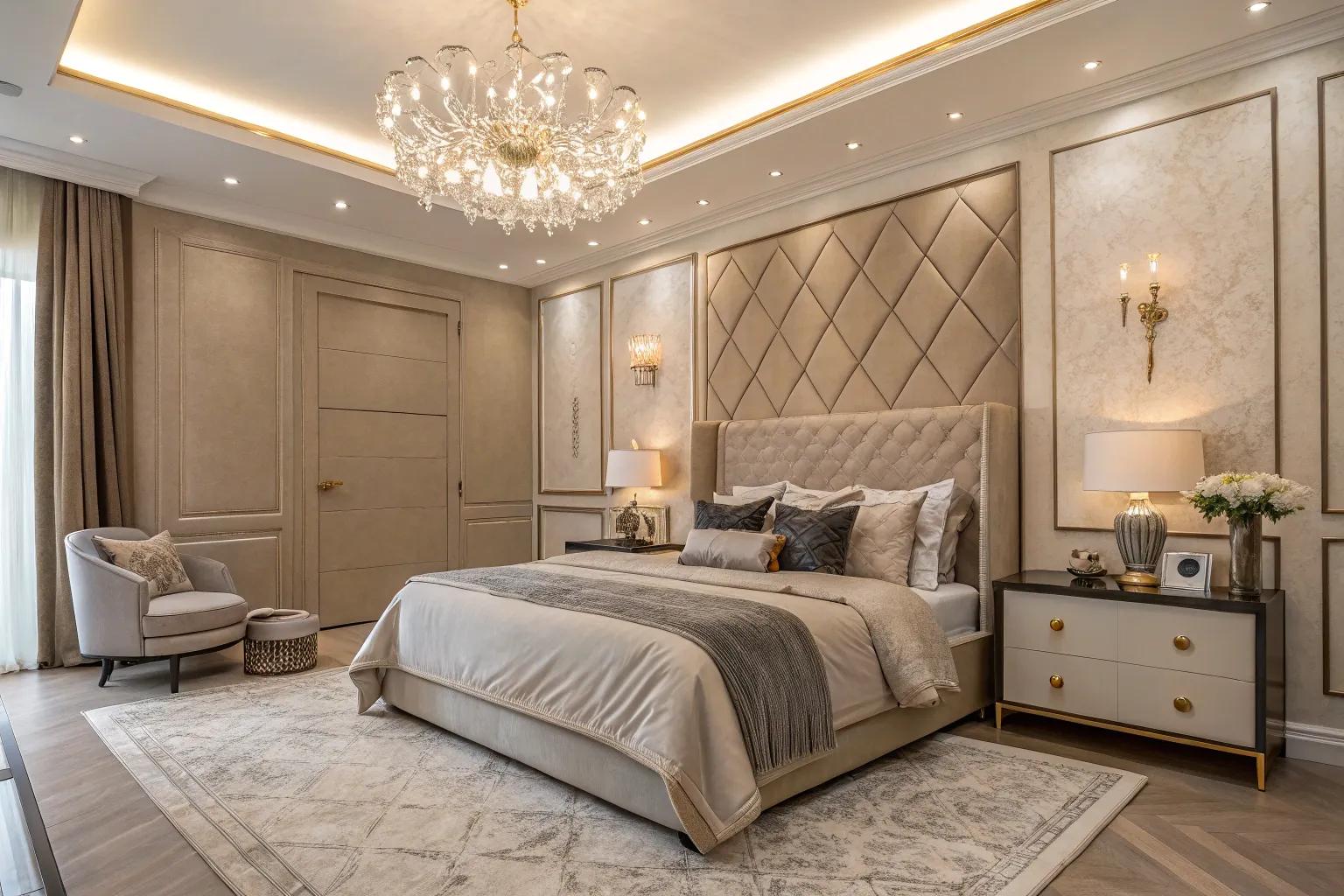
The bedroom is the most personal room in your home, and statistically the one where you spend more time than any other. Yet it is also the room most people under-invest in, prioritizing the living room or kitchen for furnishing and decor attention while the bedroom receives whatever is left over. The result is a space that functions adequately but never quite feels like a retreat.
The standard set by luxury hotels is useful here: those rooms feel restorative the moment you walk into them because every element has been considered together. The bedding is layered and substantial. The lighting is warm and controllable. The curtains fall floor-to-ceiling. The nightstands are genuinely useful. The mirror placement makes the room feel larger than it is. None of this requires a renovation or a limitless budget. It requires understanding which elements deliver the most return on investment and executing each one well.
This guide walks through every layer of luxury bedroom design, with specific recommendations and the reasoning behind each one.
The Bed: Your Non-Negotiable Foundation
Before discussing any of the surrounding elements, the bed itself must be acknowledged as the room's architectural and emotional anchor. Every other decision in the bedroom, from furniture placement and color palette to lighting, should serve and complement the bed.
From a design standpoint, invest in a bed frame that has genuine visual presence. In 2026, the dominant bedroom aesthetics favor:
- Upholstered headboards in linen, boucle, or velvet in warm neutrals (sand, oat, dusty sage, warm taupe). These create a tactile softness that sets the room's tone immediately.
- Curved or arched headboards, whose softened silhouette aligns with the broader 2026 trend toward organic shapes throughout the home.
- Low-profile platform beds, which create a grounded, serene aesthetic favored by Japandi and warm minimalist design approaches.
- Natural wood frames in oak or walnut, whether natural or lightly stained, work in virtually every palette and never date.
Bedding Quality: The Layer That Changes Everything
The visual difference between an ordinary bedroom and a luxury bedroom is almost entirely in the bedding. High-quality bedding reads as deliberately rich: a full duvet, multiple pillows in a considered arrangement, and a throw or blanket draped across the foot. Budget bedding, regardless of the furniture around it, makes the bed look flat and unfinished.
What to prioritize:
- Thread count is not the only metric. Egyptian cotton at 400-thread count feels more luxurious than polyester at 1,000 because the fiber quality matters more than the count.
- A duvet insert with appropriate fill weight for your climate. Too thin and the duvet looks flat; too thick and it reads as overwhelming in smaller rooms.
- Multiple pillow sizes. Euro shams (26×26") behind standard sleeping pillows create the layered, hotel-style pillow arrangement that signals a composed room rather than a functional one.
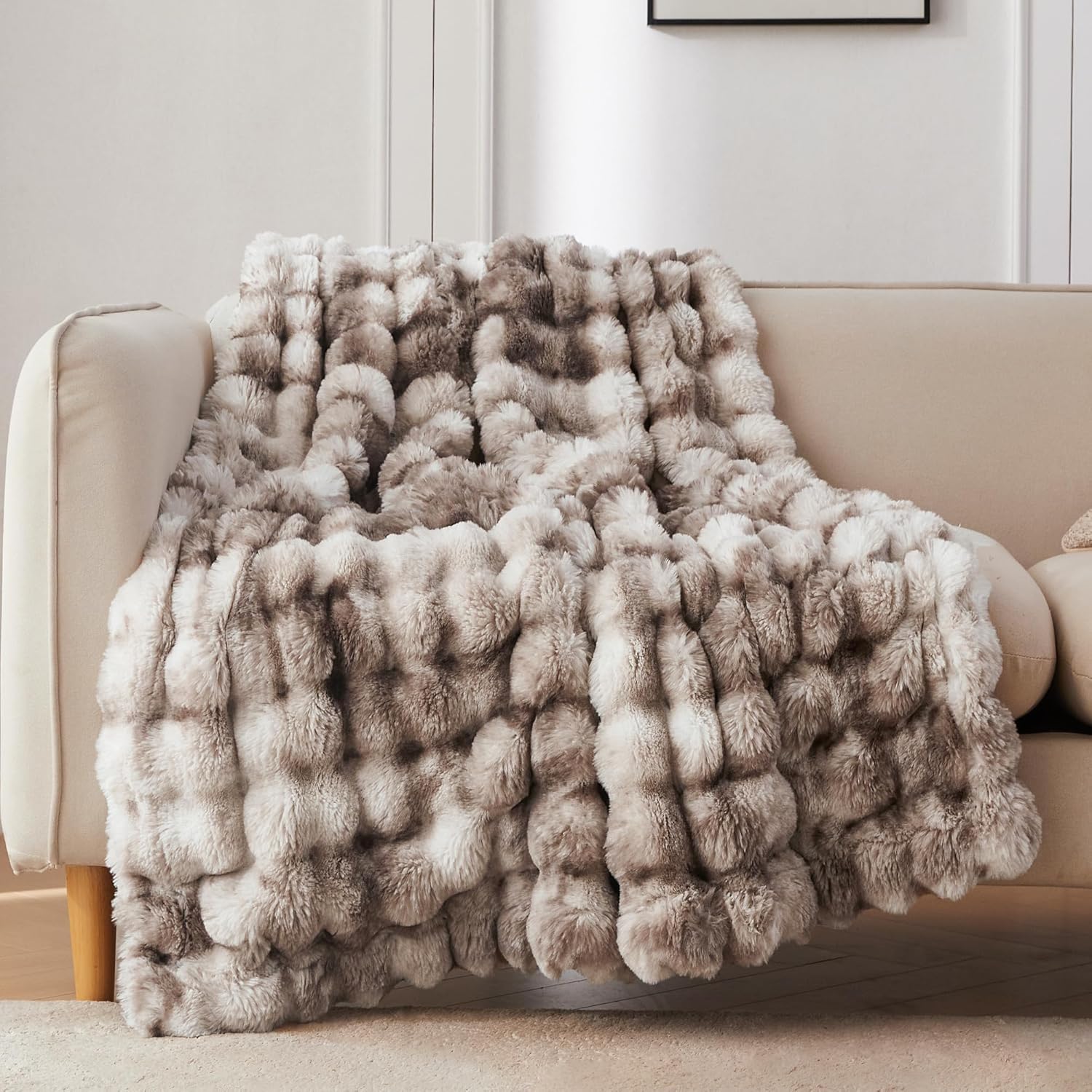
- A throw or blanket at the foot of the bed is the single quickest way to upgrade bedroom photography and real-life visual richness. The COOVA Faux Fur Throw Blanket is exactly this element done right: the deep, tactile texture of the faux fur reads as genuinely luxurious against smooth duvet fabric, adds a layer of physical warmth for those who run cold, and introduces visual contrast that prevents the bed from reading as a flat white rectangle.
Nightstands: Small Piece, Outsized Impact
The nightstand is one of the most underestimated pieces in a bedroom. It is the last surface you interact with before sleep and the first you reach for upon waking, so it needs to be both beautiful and genuinely functional.
The functionality requirements of a well-designed nightstand in 2026:
- A surface at the right height. Nightstand height should be within 2 inches of your mattress top. Measure before buying; this varies significantly depending on mattress and bed frame height.
- At minimum one drawer or cabinet for the items you don't want visible: phone, book, reading glasses, charger cables.
- Charging access via a built-in USB/power port or a surface position that allows a cable to run cleanly without tangling.
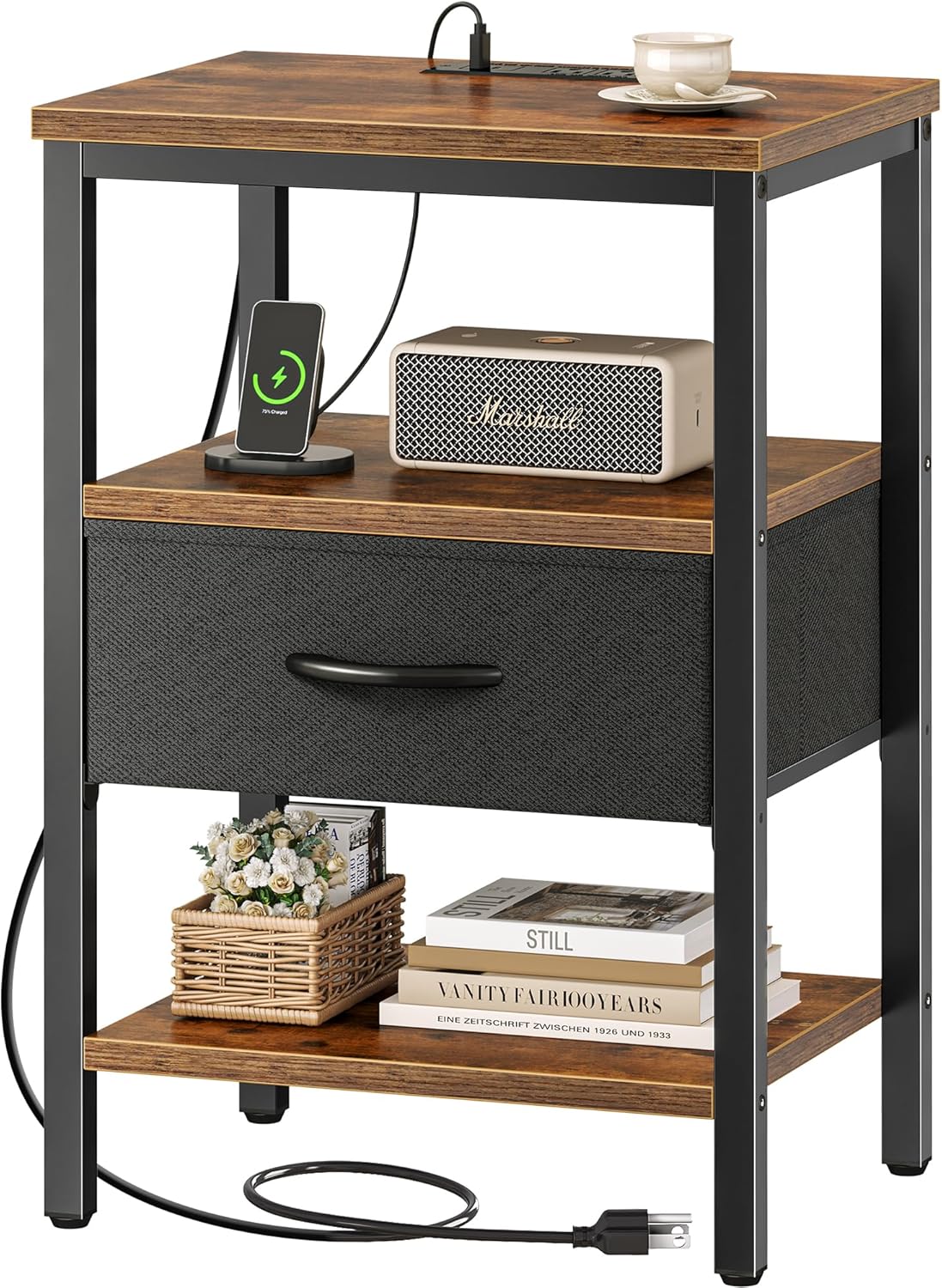
The SUPERJARE Nightstand with Charging Station addresses all three requirements in a clean, contemporary design. The built-in USB-A and USB-C charging ports eliminate the need for a separate charging block on the surface. A visible charger and cable on a nightstand is one of the small details that undermines an otherwise composed bedroom. The drawer provides concealed storage, and the lower open shelf is useful for books or a small basket. Its proportions work well for both taller platform beds and standard-height frames.
For styling, the nightstand surface should hold exactly three things: a lamp, one other functional item (a book, a glass of water, an alarm clock), and one purely decorative element (a small plant, a candle, a decorative object). More than this reads as cluttered; fewer than this reads as not lived in. The restraint is intentional.
Bedroom Lighting: The Layer That Creates Atmosphere
Bedroom lighting is the most consequential design decision in the room after the bed itself. A bedroom lit by a single ceiling fixture feels like a hotel lobby, not a sanctuary. The bedroom demands multiple light sources operating at different levels, all of them warm-toned and dimmable.
For a complete framework on layered lighting across the entire home, see our comprehensive lighting guide. For the bedroom specifically, the hierarchy is:
Overhead Ambient: Keep It Dimmed
A ceiling fixture provides general illumination for tasks like dressing and cleaning. For atmosphere, it must be on a dimmer. Dimmed to 20–30% in the evening, a ceiling fixture becomes a soft background glow rather than a clinical overhead light. Choose a warm-white bulb (2700K); cooler temperatures are energizing in a way that actively works against sleep.
Bedside Task Lighting: The Most Important Lamp in the Room
Bedside lamps are the lamps you use most frequently and the ones that most define the bedroom's character. They should be positioned at nightstand height, produce warm-toned, downward-directed light ideal for reading, and have a shade that softens the source rather than exposing a bare bulb.
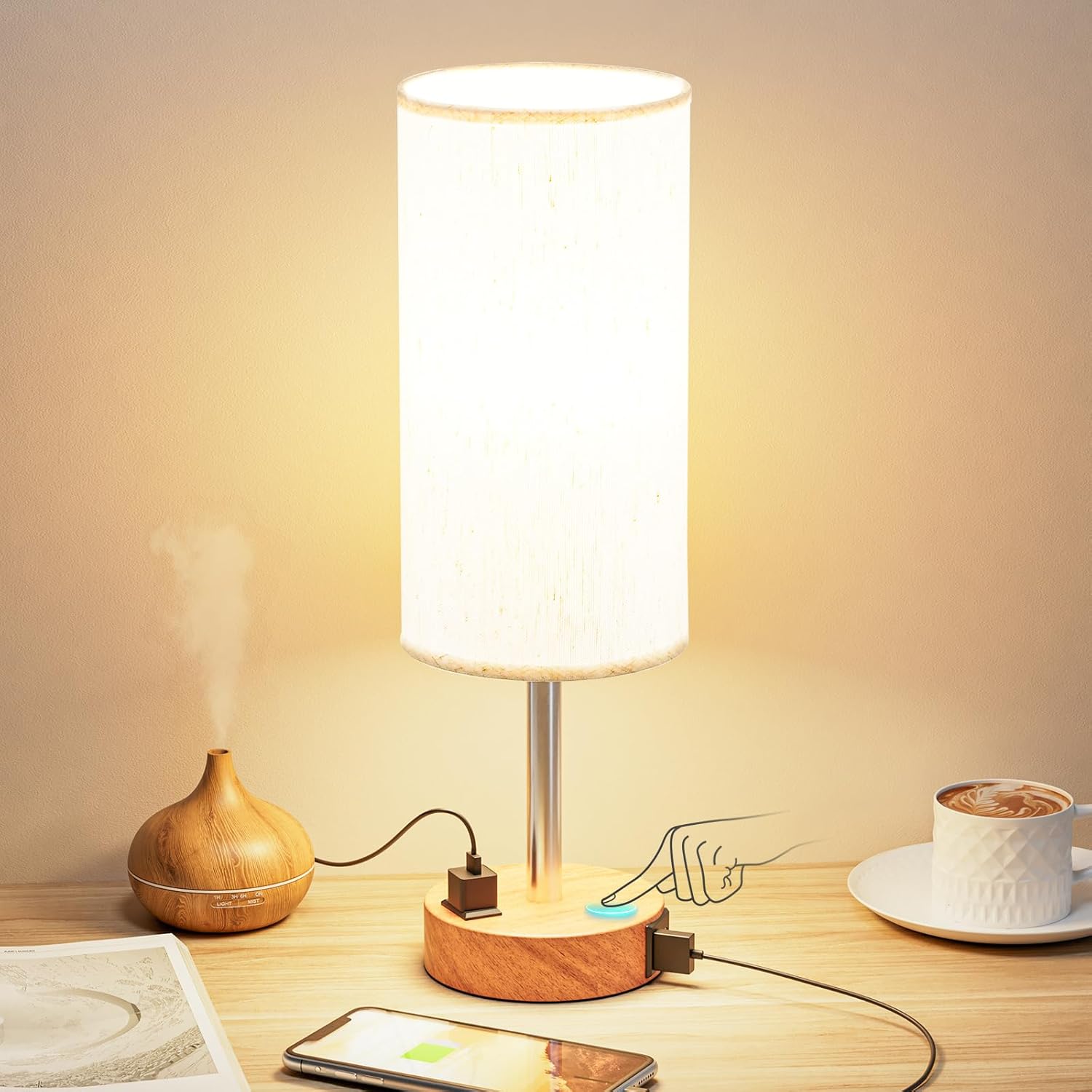
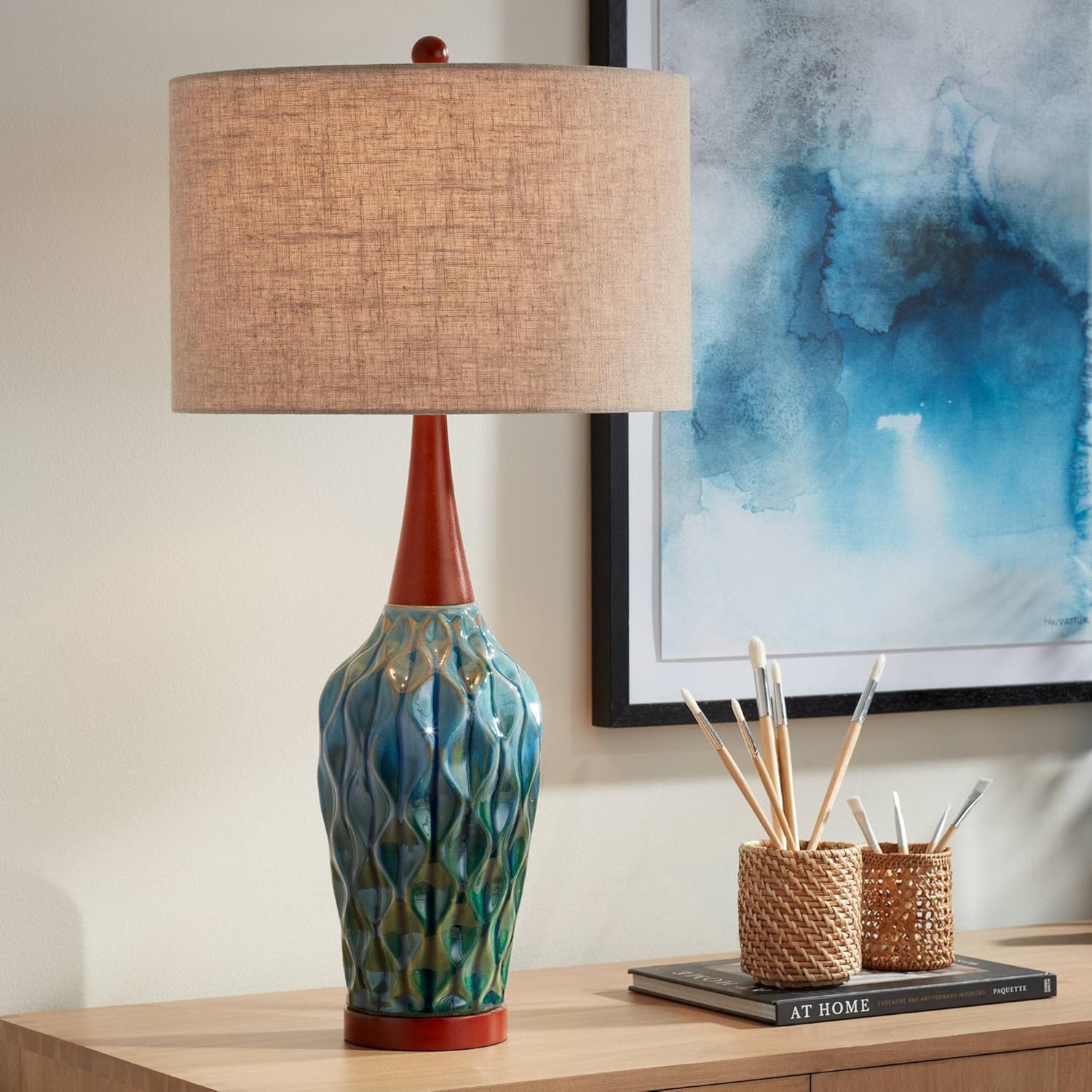
The Fenmzee Bedside Table Lamp is a precise solution for this: the proportional base, warm-toned shade, and compact footprint make it genuinely compatible with any nightstand surface. Its light output is warm and directional, enough to read by and soft enough to wind down by, and visually substantial enough to look intentional on the nightstand rather than like a generic utility lamp. Pair two of them for visual symmetry on either side of the bed; matching bedside lamps are one of the easiest high-impact upgrades in bedroom design.
Accent Lighting: The Atmosphere Layer
Accent lighting in the bedroom is subtle by design and maximally effective by outcome. The options:
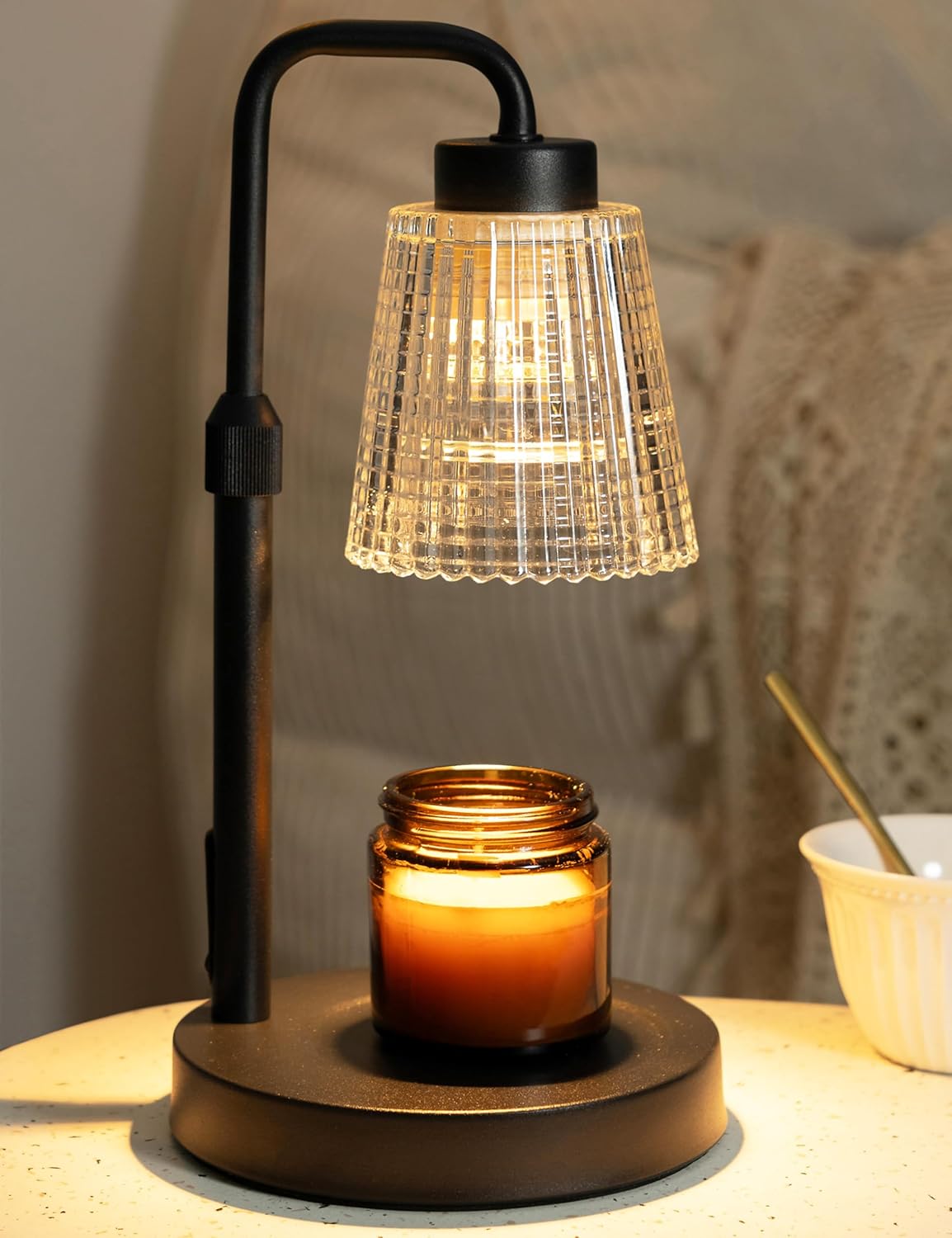
- A candle warmer lamp on a dresser or shelf creates the visual warmth of candlelight without open flame. No fire risk, no wax, no smoke. The GODONLIF Candle Warmer Lamp sits beautifully on a dresser or bookshelf and emits a soft, localized glow that makes the bedroom feel genuinely curated in the way that only a warm light source at low level can. The fragrance diffused by the warmer adds an olfactory layer to the room's atmosphere; scent is dramatically underutilized as a design element in most homes.
- LED strip lighting behind the headboard (2700K, not RGB) creates a halo of warm light that frames the bed as the room's visual focal point and adds depth to the wall without requiring any wall art.
- A lamp on a dresser or vanity creates a secondary light source at a lower level than the ceiling fixture, adding the depth that a single overhead light cannot.
Window Treatments: The Element That Changes the Room's Personality
Curtains are one of the most transformative and most overlooked elements in bedroom design. The right window treatment simultaneously controls light and privacy, adds warmth and texture and, when hung correctly, makes the ceiling feel higher and the room feel larger.
The Single Most Important Rule: Hang Them High and Wide
Hang curtain rods as close to the ceiling as possible (or at the very least, 6–8 inches above the window frame, not on it). Extend the rod 8–12 inches beyond the window frame on each side. This creates the illusion of a taller, wider window and makes the room itself feel more expansive. Curtains hung directly on the window frame make ceilings look lower and windows look smaller than they are, a mistake that is almost universal and entirely avoidable.
Blackout Curtains: The Functional Luxury
In a bedroom designed for genuine sleep quality, blackout curtains are not optional; they are the single most evidence-backed upgrade you can make for sleep depth and duration. Light pollution from streetlights, car headlights, and early-morning sun suppresses melatonin production and fragments sleep in measurable ways. A fully dark bedroom improves sleep quality for the vast majority of sleepers.
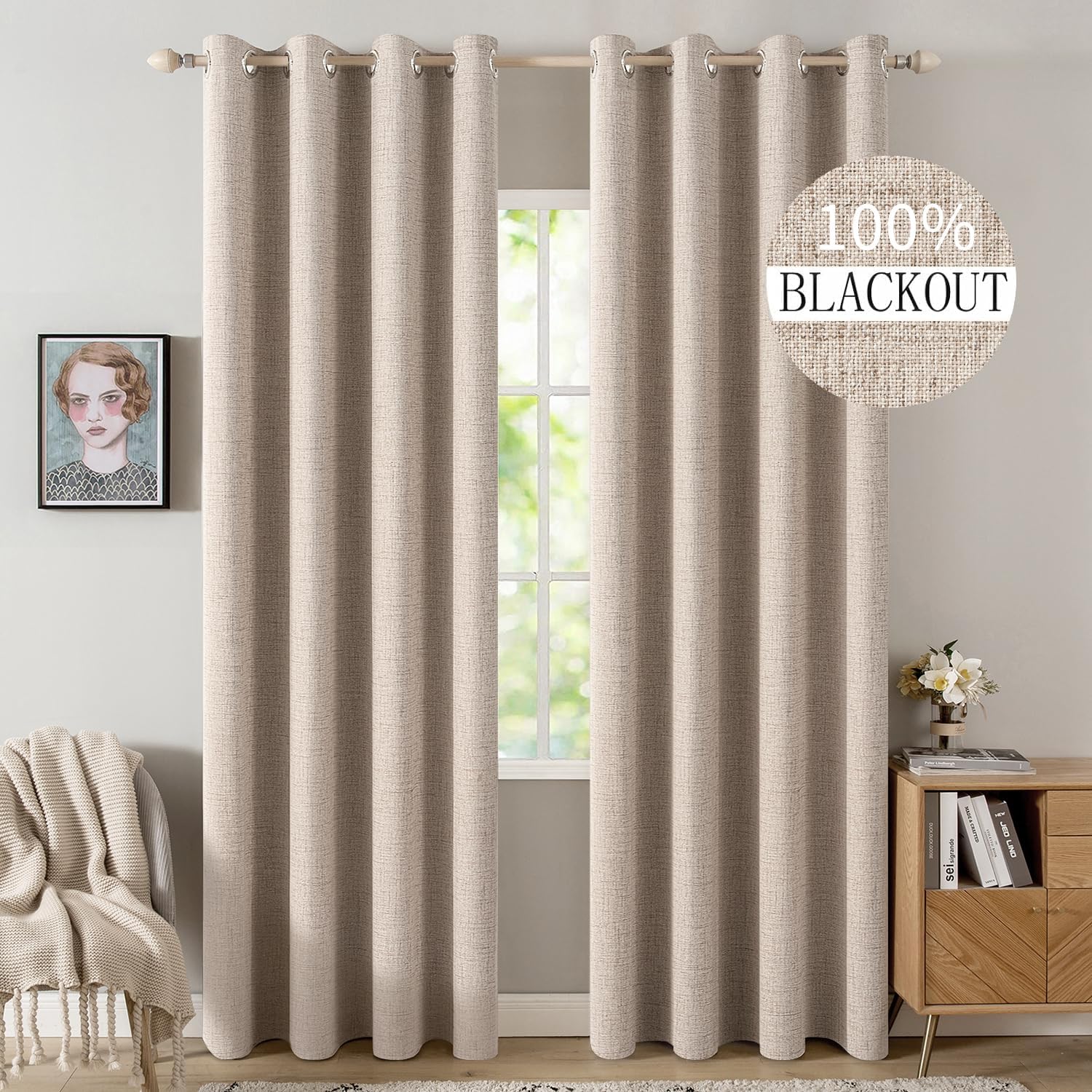
The MIULEE Blackout Curtains in Textured Linen solve the aesthetic problem that plagues most blackout curtains: they look like proper, beautiful linen curtains rather than functional blackout panels. The textured weave adds depth and visual interest. The linen appearance fits the warm, natural material palette that defines luxury bedroom design in 2026. And because they're machine-washable, they're genuinely practical for daily use. Hang them to the floor. Curtains that hover above the floor look unfinished and diminish the room.
Mirrors: Function, Light, and Space
A bedroom without a full-length mirror is an inconvenienced bedroom. Beyond their obvious practical function, mirrors serve a critical design purpose: they reflect light, expand the perceived depth of the room, and create a compositional focal point on what would otherwise be a blank wall.
Placement principles:
- Opposite or adjacent to a window to reflect natural light deep into the room, which is more effective at brightening a bedroom than any additional light fixture.
- Leaning a floor mirror against a wall rather than hanging it reads as more relaxed and contemporary, and allows repositioning as the room evolves.
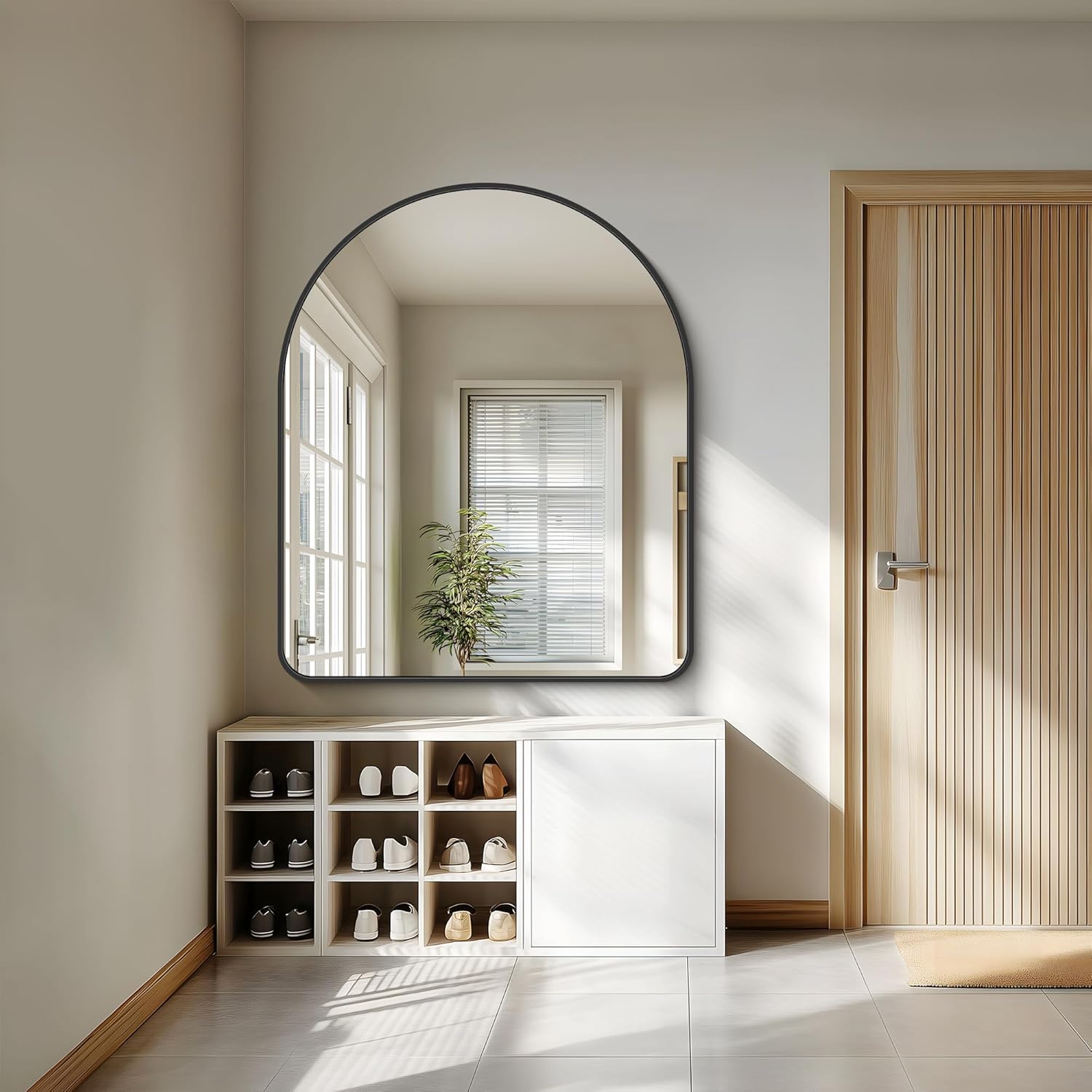
- An arched or curved mirror frame reinforces the 2026 trend toward organic shapes and adds a sculptural element that a rectangular mirror cannot.
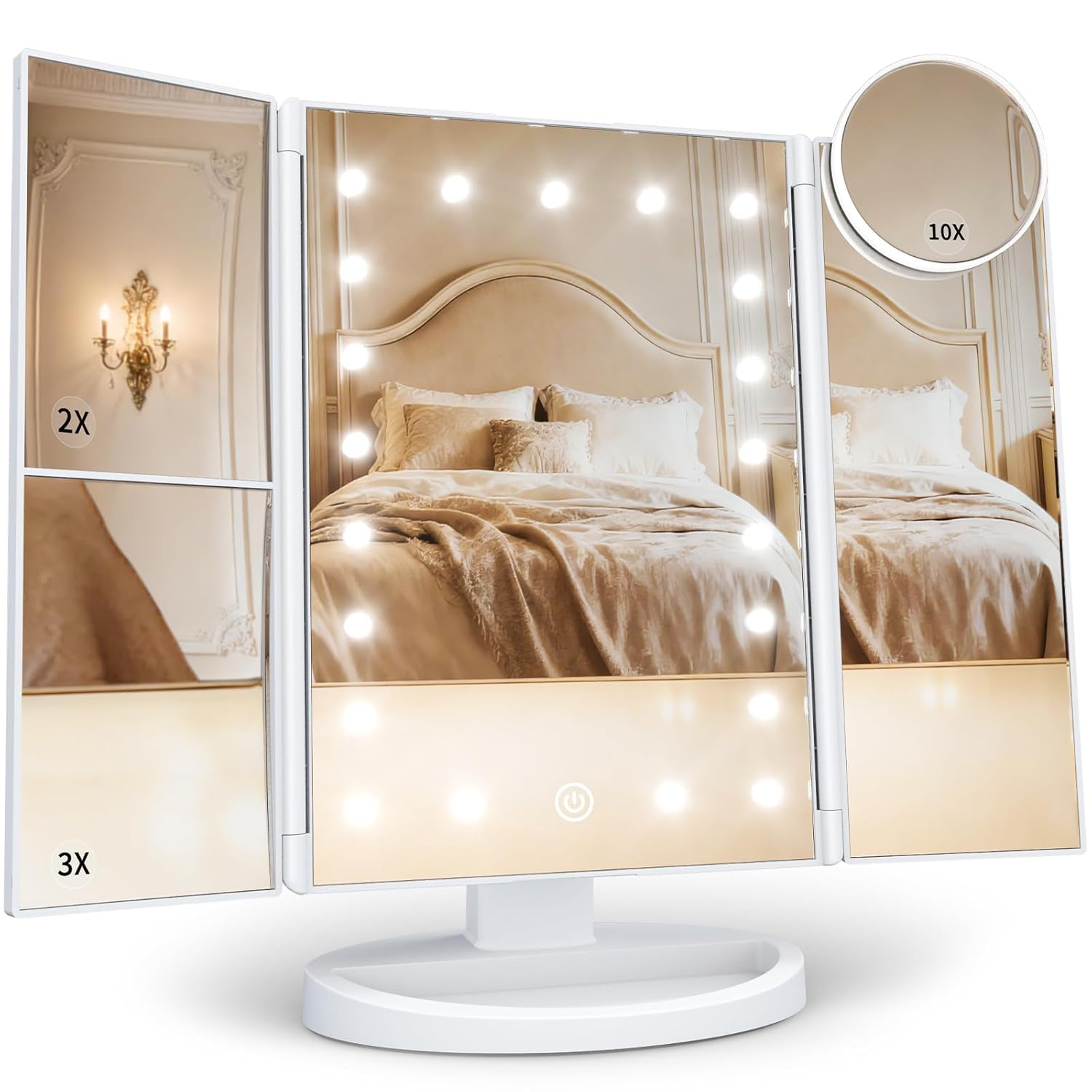
For grooming and makeup, a dedicated HUONUL Makeup Mirror Vanity on a dresser or vanity table provides the magnification and close-up illumination that a room mirror cannot. These are genuinely useful objects that most bedrooms lack, and a quality lighted vanity mirror positioned on a dresser also functions as a decorative element in its own right, adding a warm glow and a touch of Hollywood glamour to the surface it sits on.
Bedroom Color Palettes for 2026
The dominant bedroom color direction in 2026 is what designers call "quiet luxury" or "warm minimalism," built on complex, muted neutrals rather than stark white or bold saturated colors. The specific tones: warm stone, oat, clay, dusty terracotta, pale sage, and the entire spectrum of sand-adjacent earth tones.
These palettes succeed in bedrooms for the same reason: they are soothing without being sterile. They recede visually without disappearing. They make layered bedding in white or cream look genuinely substantial rather than clinical. And they age beautifully. A room in terracotta and oat will not look dated in 2030 the way a bedroom painted in a specific trend color will.
If your walls are white and a full repaint feels like too large a commitment, you can shift the room's palette almost entirely through textiles and accessories: warm-toned curtains, an oat-colored throw, terracotta-toned decorative pillows, and a wood-toned nightstand carry enormous visual weight. The COOVA Faux Fur Throw Blanket in a warm neutral tone does exactly this: it introduces both color and texture in a single piece that costs a fraction of a furniture purchase.
Bedroom Organization: The Hidden Luxury
Luxury bedrooms are uncluttered bedrooms. The most expensively furnished bedroom in the world loses its character the moment clothing is draped over chairs and surfaces are covered with accumulated objects. The aesthetic case for good storage is the same as the functional case: a room that is organized and clear reads as intentional, peaceful, and spacious regardless of its actual square footage.
Practical steps:
- One laundry basket, positioned inside the closet if at all possible. An exposed laundry basket is one of the most common visual disruptors in bedrooms.
- A nightstand with a drawer for items that need to be accessible but not visible.
- A dedicated surface for the getting-ready routine. A small tray or dish on the dresser to corral jewelry, a single toiletry item, and your phone. Constraining these items to a defined zone prevents the drift that turns surfaces into clutter.
- Drawer organizers inside dressers provide the out-of-sight organization that makes daily use smoother and keeps drawers from becoming the closet you don't see.
Frequently Asked Questions: Luxury Bedroom Decor
What is the most impactful single upgrade for a bedroom?
Blackout curtains hung correctly (high and wide) deliver the most visible transformation of any single bedroom purchase. They change the room's architectural feel, the quality of sleep, and the morning light experience simultaneously. If budget is limited, start there before purchasing any furniture or decor.
How do I make a small bedroom feel luxurious?
Scale your furniture to the room (avoid oversized pieces), use a floor-length mirror to reflect light and depth, keep the color palette light and cohesive, ensure layered lighting (avoid single overhead only), and prioritize quality bedding. A small room with excellent bedding, a proper lamp, and well-hung curtains reads as more luxurious than a large room that is poorly furnished. See our small space design guide for space-expanding techniques that apply equally to bedrooms.
What color temperature should bedroom lights be?
2700K exclusively. This is the warmest standard LED temperature, the closest to incandescent candlelight and the most conducive to evening relaxation and sleep onset. Avoid 3000K and above in the bedroom; the cooler the light, the more alerting its effect on the brain. See our detailed lighting guide for full color temperature guidance.
Should a bedroom nightstand match the bed frame?
Not necessarily. A matched set (bed frame, nightstands, and dresser all from the same line) reads as coordinated but can feel corporate or showroom-like. The more considered approach: choose nightstands in a complementary material and color rather than an identical match. A warm oak bed frame with slightly darker walnut-toned nightstands, for example, creates a more layered, collected aesthetic than a matched set would.
How do I incorporate scent into bedroom design?
Scent is the most underutilized dimension of bedroom atmosphere. A candle warmer lamp on the dresser diffuses fragrance without the fire risk or soot of a traditional candle. A linen spray on the bedding before sleep is a simple ritual that conditions the mind for rest. Reed diffusers on a shelf or windowsill provide continuous background fragrance. The GODONLIF candle warmer mentioned above is an excellent starting point, giving you warmth, ambient light, and fragrance in a single small object.
What is the "quiet luxury" bedroom aesthetic?
Quiet luxury in bedroom design means an interior that is visually rich through material quality and considered restraint rather than overt ornamentation or conspicuous branding. The signals: substantial, tactile textiles (faux fur, boucle, heavy linen), a refined neutral palette, furniture with clean lines and quality construction, nothing on surfaces that doesn't serve a function or bring genuine beauty. The opposite of maximalism, but not the same as minimalism. There is warmth and texture, just no excess.
A Room-by-Room Upgrade Sequence
If you're approaching the bedroom as an ongoing project rather than a one-time renovation, here is the sequence that delivers the most visible improvement per dollar spent:
- Blackout curtains, hung high and wide. Immediate transformation of the room's feel and your sleep quality.
- Bedside lamps: two matching lamps, one on each nightstand. Changes how the room functions every evening.
- A quality throw blanket at the foot of the bed. Changes the visual richness of the bed immediately.
- A nightstand with storage, if you don't already have one with a drawer. Removes visible clutter from the surface.
- A floor-length mirror that reflects light, expands the perceived space, and adds a significant vertical element.
- Accent lighting: a candle warmer, an LED strip behind the headboard, or a dresser lamp. Completes the atmospheric layering.
- New bedding: save the largest investment for last, when everything around it will make it look its best.
Done in this sequence, each upgrade is immediately visible and motivating. The bedroom is the room you return to every night and the one you wake up in every morning. Designing it with the same intention you'd bring to a living room or kitchen is not indulgence. It is recognition of the role that environment plays in rest, mood, and the quality of daily life.
A bedroom designed thoughtfully, even modestly, is one of the most lasting investments you can make in your own wellbeing.