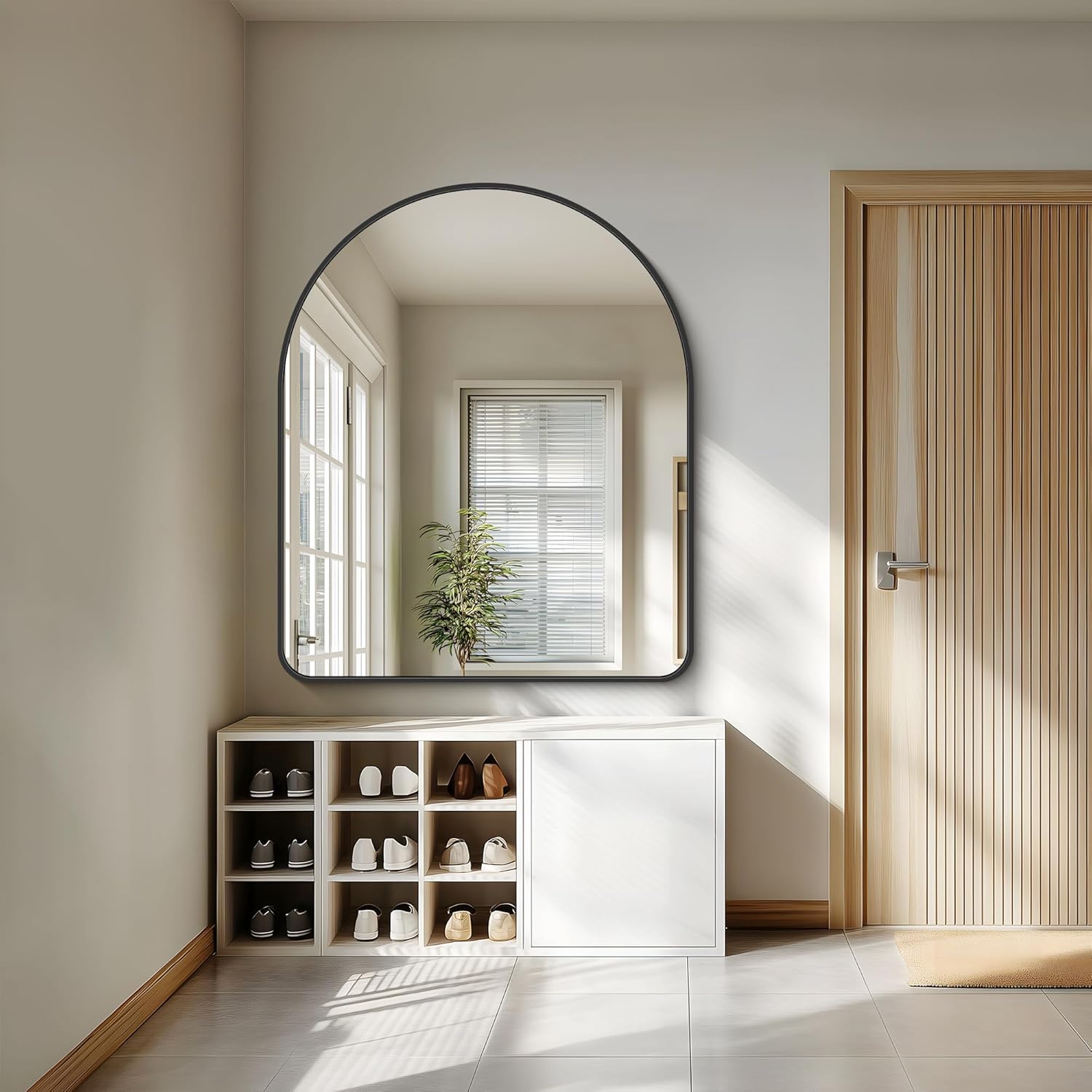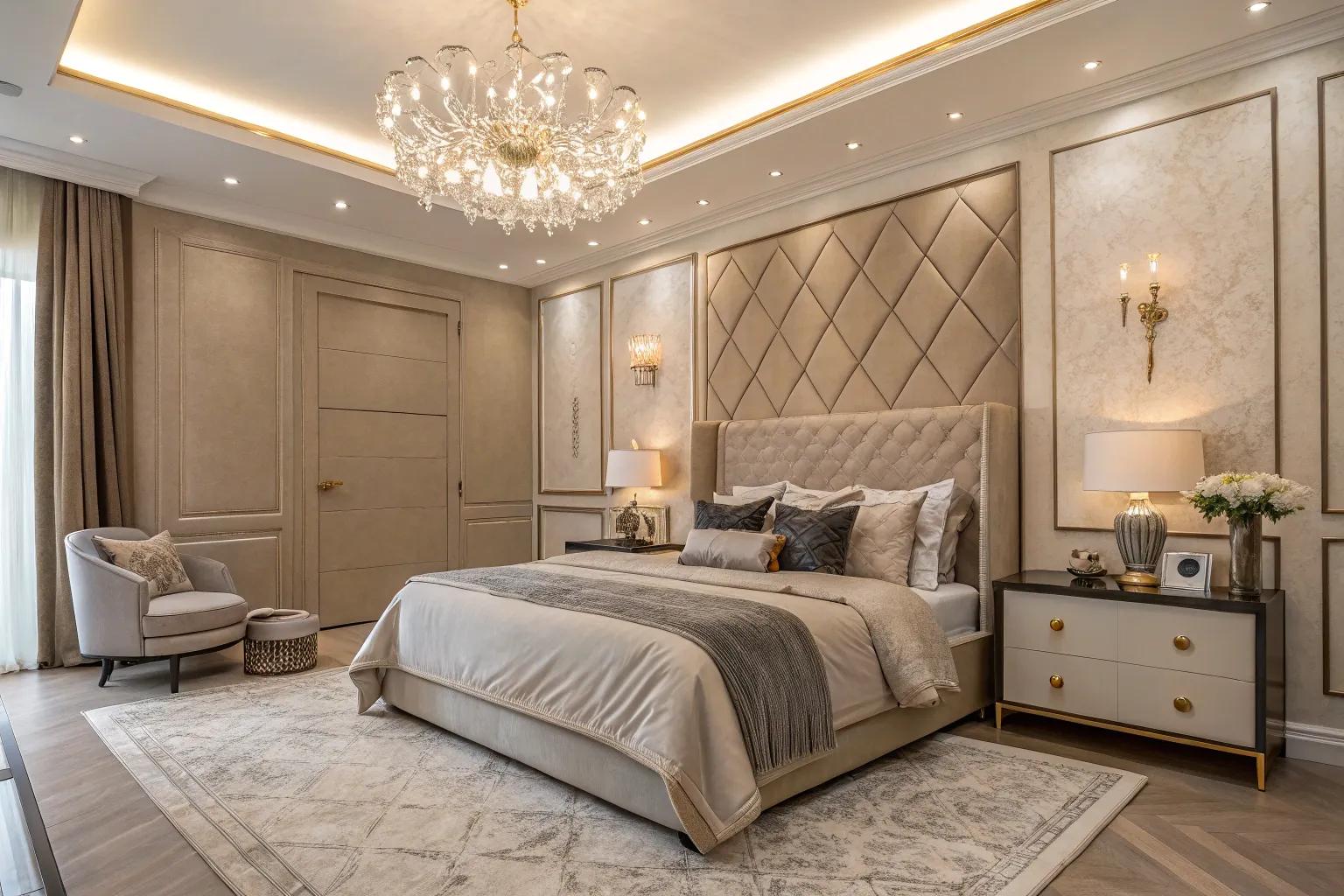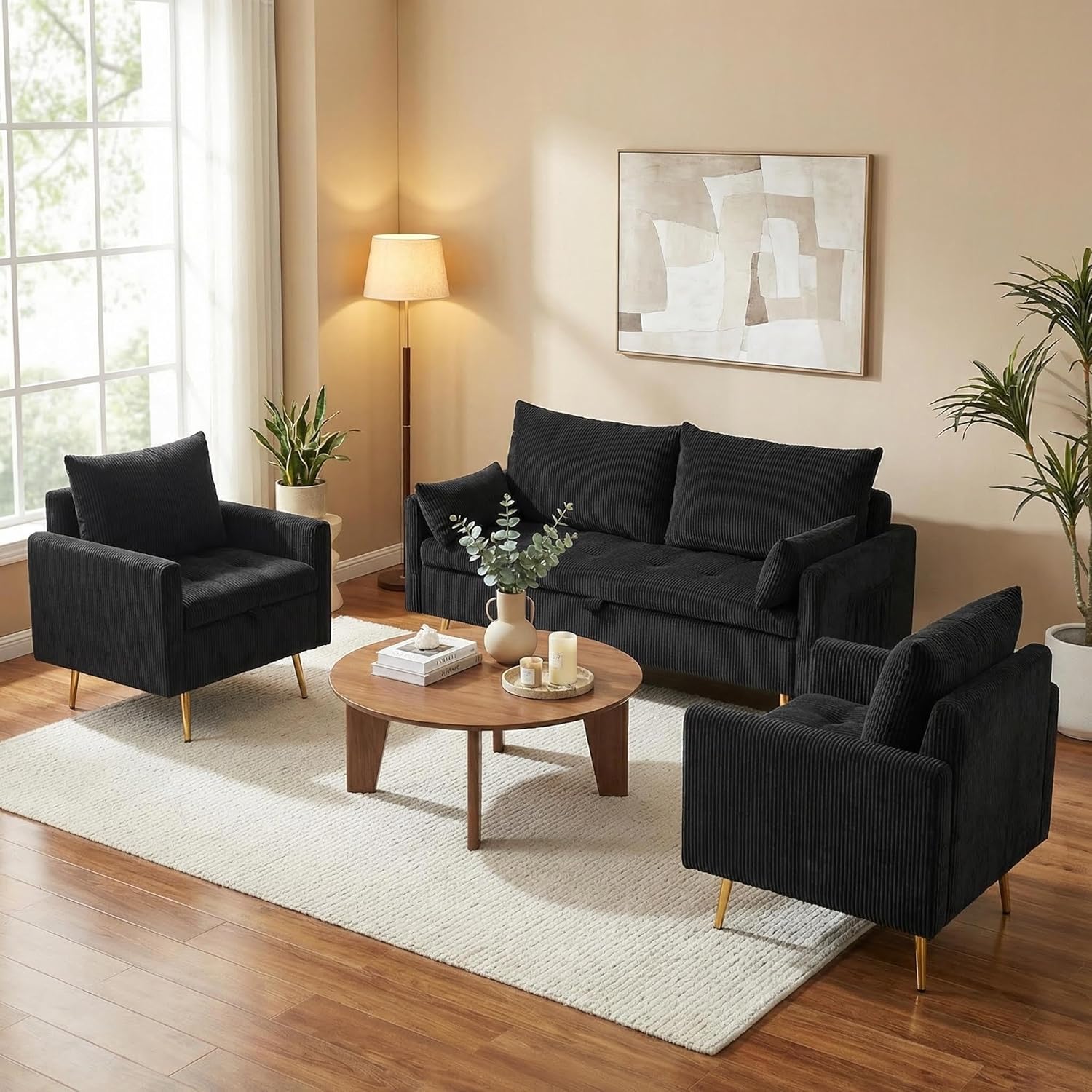

Home furnishings is one of the few consumer categories that held its ground through economic downturns and accelerated during the pandemic-era shift toward home investment. Understanding the numbers behind this market helps buyers make sense of why certain products dominate, why luxury design has become more accessible at mid-range price points, and where the industry is heading over the next several years.
The data below draws from industry research, public market reports, and consumer surveys published through early 2026. All figures are estimates and projections; the home furnishings market is fragmented and measured differently across sources, so treat these as directional indicators rather than precise measurements.
The Global Home Furnishings Market
The global home furniture and furnishings market is estimated at approximately $700 billion in 2026, with projections in the $800 billion to $900 billion range by 2030 depending on methodology and scope. This makes it one of the larger consumer goods sectors globally, comparable in size to the global apparel market.
Growth is driven by three overlapping forces: rising incomes in emerging markets, particularly Southeast Asia and India; sustained home renovation investment in developed markets; and the normalization of premium product expectations among younger buyers who have had access to well-designed consumer goods at multiple price points for their entire adult lives.
North America and Europe together account for roughly 55 to 60 percent of global luxury home furnishings spend, though their share is declining gradually as Asian markets mature.
The Luxury Segment
The luxury home decor and furnishings segment is growing at a faster rate than the broader home goods market. Estimates from furniture industry analysts suggest a compound annual growth rate of 5 to 7 percent for luxury home goods through 2028, compared to 3 to 4 percent for the overall category.
Several factors drive this outperformance:
- A growing cohort of buyers aged 35 to 50 who are at peak earning and who are spending meaningfully on primary residences
- Increased time spent at home driving heightened awareness of and investment in the home environment
- A cultural shift toward fewer, better purchases among millennial buyers, many of whom came of age during ongoing sustainability discussions
- The normalization of online research and purchase for high-consideration furniture items, reducing the friction that previously required in-person retail visits
According to consumer spending surveys, US households spent an average of approximately $1,500 to $2,200 per year on home furnishings and decor in 2025 across all income levels. In the top income quartile, average annual spend on home furnishings exceeds $4,000.
Remote Work's Lasting Effect on Home Office Furniture
Few events reshaped home furnishing demand as significantly as the widespread adoption of remote and hybrid work beginning in 2020. What began as an emergency adjustment has become a permanent structural feature of how knowledge workers spend their time.
As of early 2026, approximately 35 to 40 percent of US knowledge workers are on hybrid schedules, with an additional 15 to 20 percent working fully remotely. Together, this represents roughly half of the professional workforce spending meaningful time working from home on a regular basis.
Home office furniture sales grew roughly 40 percent between 2019 and 2022 and have remained elevated since. Ergonomic desk chairs, standing desks, and monitor stands are among the fastest-turning categories in the home office segment. See the home office decor guide for current product recommendations in this category.
Spending on home office furnishings correlates strongly with remote work frequency. Fully remote workers spend an average of 30 to 40 percent more on home office furniture than hybrid workers. This reflects a rational investment: people who work from home full time are purchasing workplace ergonomics they would otherwise receive as an employer-provided benefit.
Online Furniture Buying
E-commerce's share of total home furnishings sales has grown from approximately 15 percent in 2019 to an estimated 25 to 30 percent in 2026. This growth happened faster than most industry forecasters predicted, driven primarily by the 2020 period when in-store retail was unavailable and consumers discovered that purchasing furniture online was more feasible than they had assumed.
Online furniture buying has several distinct characteristics compared to in-store purchasing:
- Average order values tend to be lower, with the most common online furniture purchase in the $100 to $500 range
- Return rates are higher (typically 15 to 20 percent versus 8 to 10 percent in-store), largely because of color and size mismatches that would not occur with an in-person preview
- Buyers spend more time in the research phase, often two to four weeks for a major furniture purchase, and consult a higher number of sources including review sites, buying guides, and comparison content
- Amazon holds an estimated 10 to 15 percent of US online furniture sales, with its share growing particularly in mid-range and functional categories
The Categories Growing Fastest in 2026
Smart lighting is the fastest-growing subcategory in home decor, with estimated year-over-year growth of 18 to 22 percent. Voice-controlled, color-adjustable, and app-managed lighting has moved from a tech enthusiast niche to a mainstream consumer product, driven by falling prices and improving compatibility across platforms. Browse the current lamps collection for smart and traditional options.
Accent chairs and occasional seating are growing at above-market rates as the working-from-home population creates demand for quality seating across the entire home, not just at the desk. Velvet accent chairs have maintained strong search volume since 2021. See the accent chair buying guide for current recommendations.
Statement floor lighting (arc floor lamps, oversized floor lamps, sculptural standing lamps) has grown significantly as consumers invest more in rooms they spend more time in. Floor lamp sales grew an estimated 25 percent between 2020 and 2023 and continue to show above-average growth. See the floor lamp buying guide for a breakdown of styles.
Bathroom organization and storage has seen accelerating demand as buyers apply the spa-bathroom aesthetic to everyday bathrooms. Shower caddies, over-toilet storage, and vanity organizers are among the highest-converting subcategories in home decor e-commerce. Browse the bath collection for current options.
Bookshelves and storage furniture remain a steadily growing category, driven by home library aesthetics popularized on social media and the continued demand for living space organization in smaller urban apartments. See the full bookshelves collection.
What Buyers Actually Search For
Consumer search behavior for home furnishings is heavily research-oriented before any purchase is made. Industry data on search trends suggests the following patterns for 2025 to 2026:
- Searches using the "best [product] under [price]" format have grown approximately 30 percent year over year as consumers become more value-conscious in a higher-rate environment
- "[Product] buying guide" searches grew roughly 20 percent, indicating that consumers want structured guidance rather than product listings alone
- Questions-based searches such as "how to choose a floor lamp" or "what size rug for a living room" are among the fastest-growing query types in the home decor vertical, reflecting how informational content has become the standard start of the buying journey
- Sustainability-adjacent queries ("durable furniture that lasts," "quality over quantity home") have grown over 40 percent since 2022 among buyers aged 25 to 40
Key Takeaways
For buyers, the data points toward a few practical conclusions. The luxury home furnishings market is healthy and growing, which means there is genuine supply of high-quality products at a broader range of price points than existed a decade ago. Online purchasing is normalized and effective for most furniture categories, particularly when product research is thorough. Smart lighting is the best-positioned category for both functional and long-term value. And the home office is now a permanent part of residential design planning rather than a temporary accommodation.
The clearest investment principle in home furnishing, regardless of market conditions: fewer, better pieces hold their value in both function and aesthetics longer than accumulating cheap replacements. A well-constructed chair, a quality lamp, or a solid bookshelf purchased once is better economics than repeating the same spend three times over a decade.
Browse by category: chairs, lamps, tables, bookshelves, and entertainment centers.