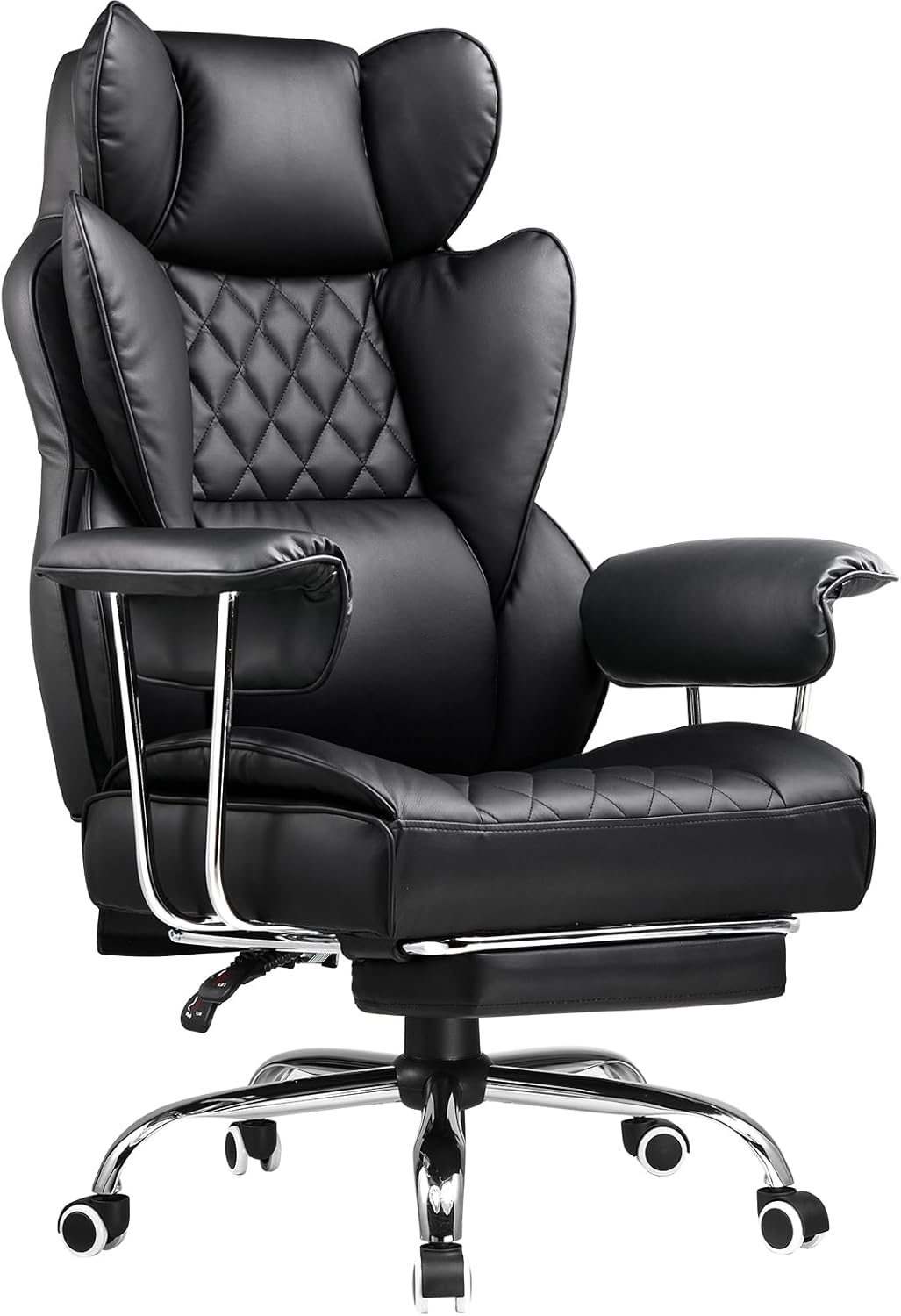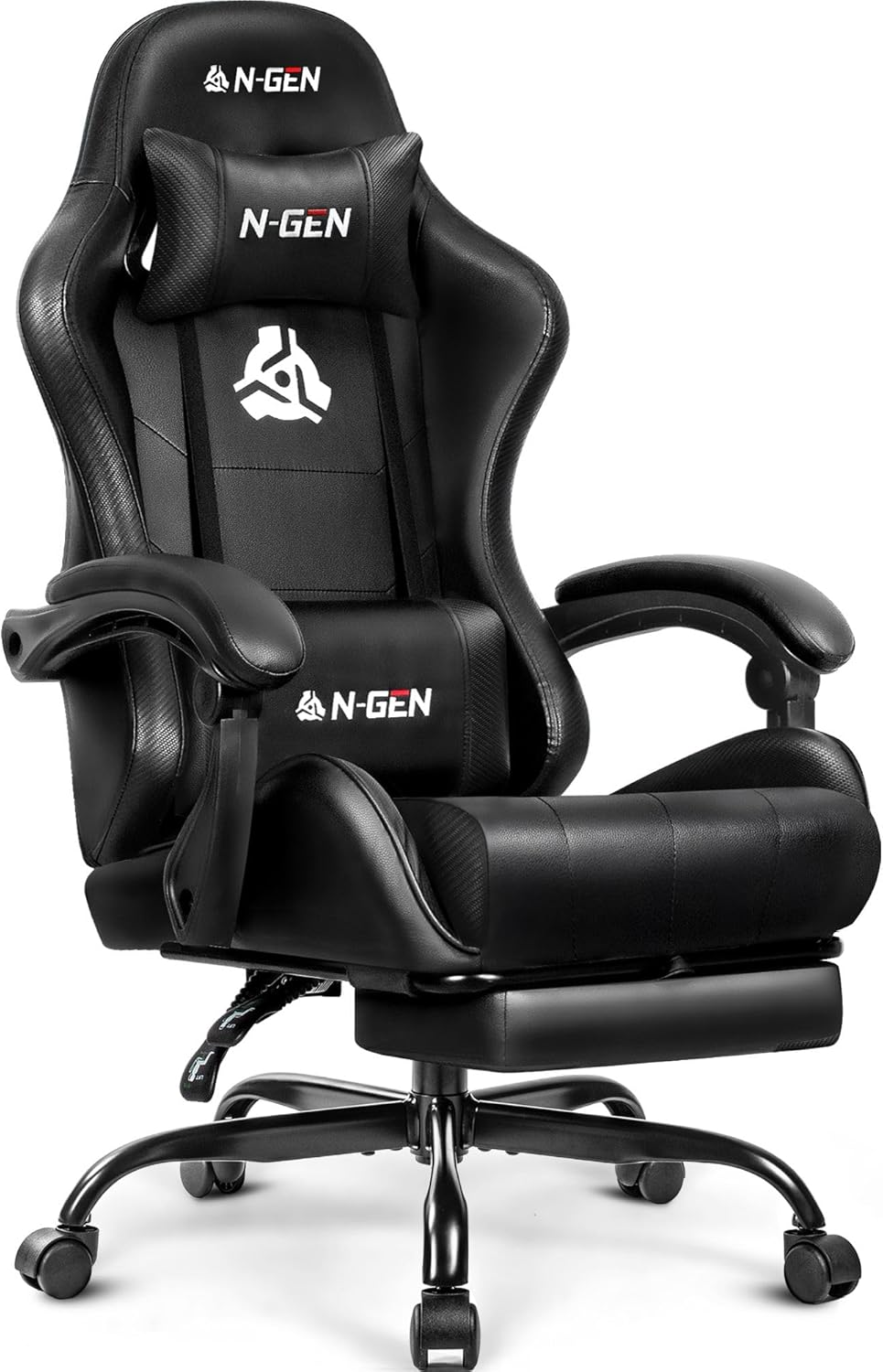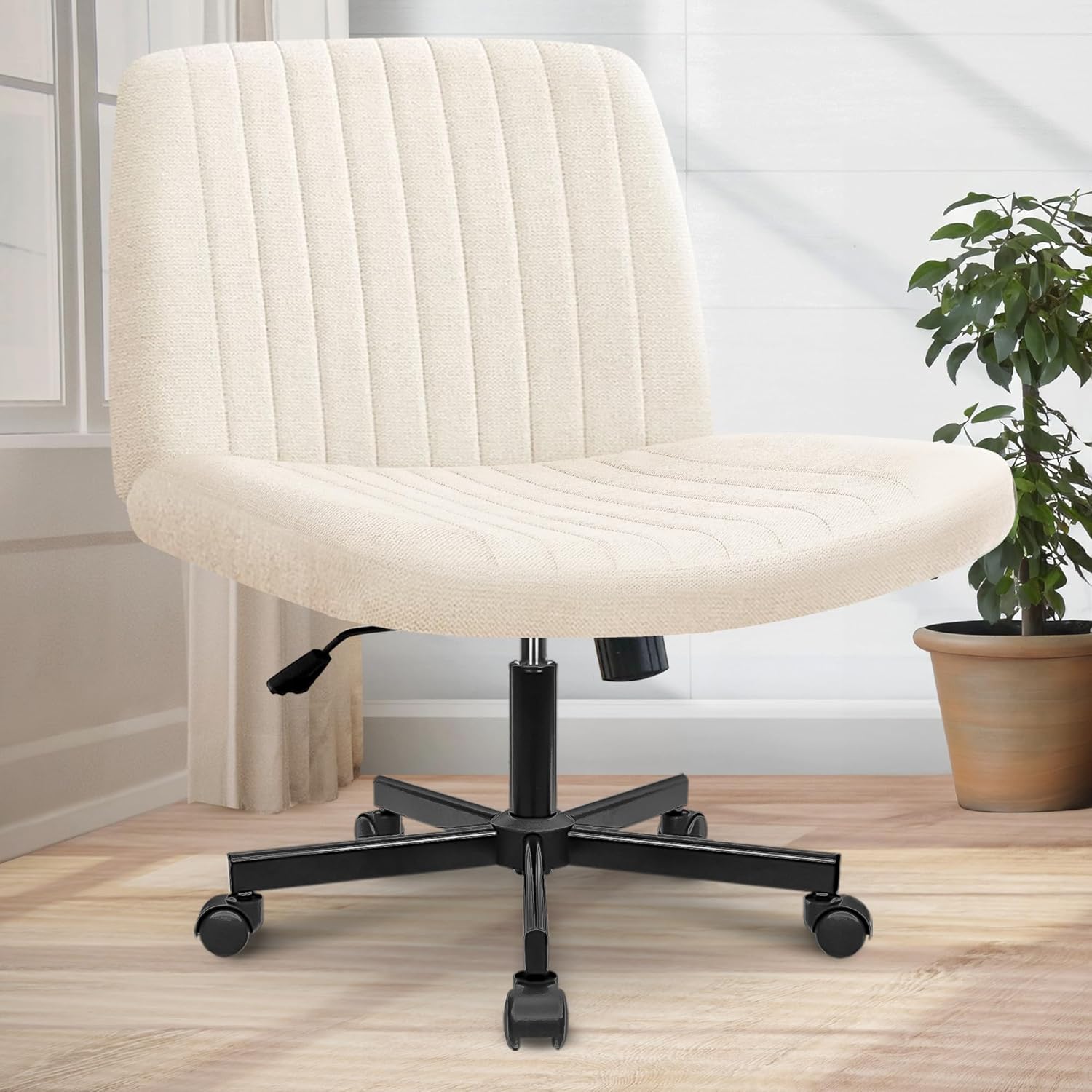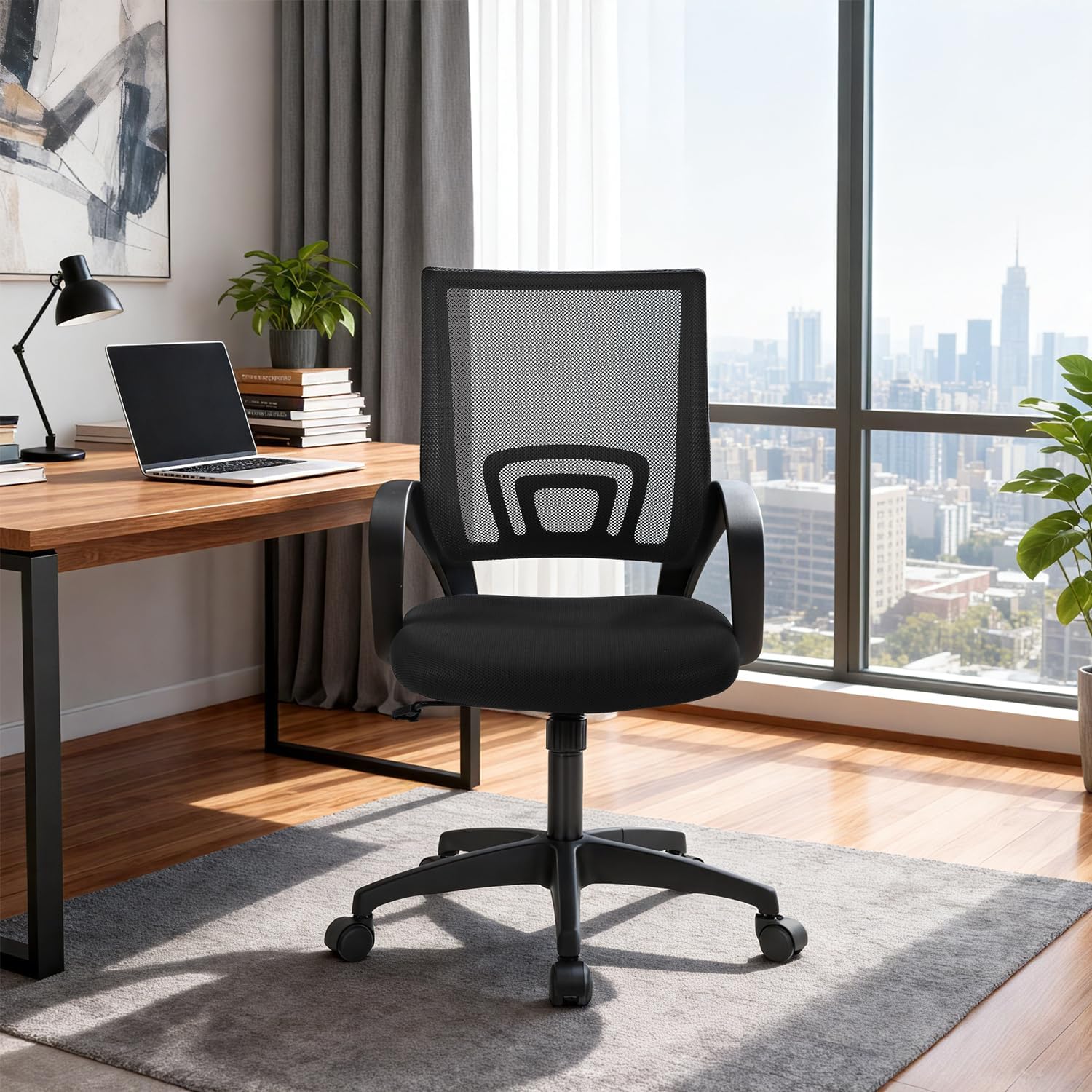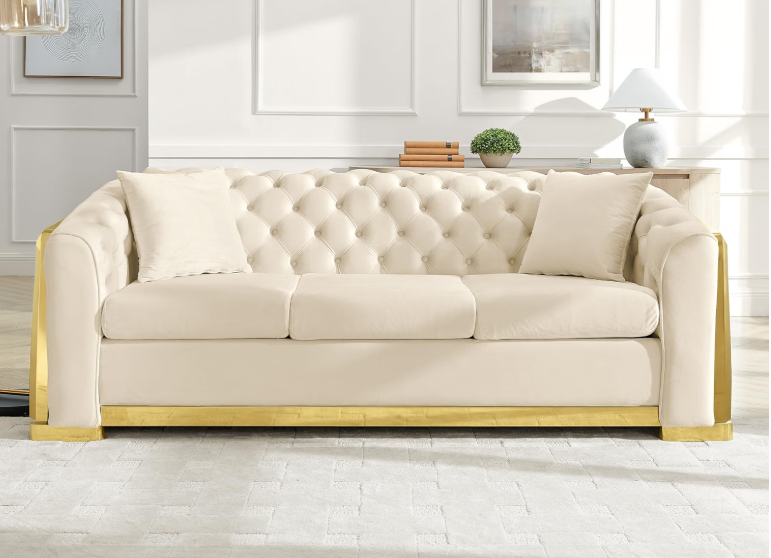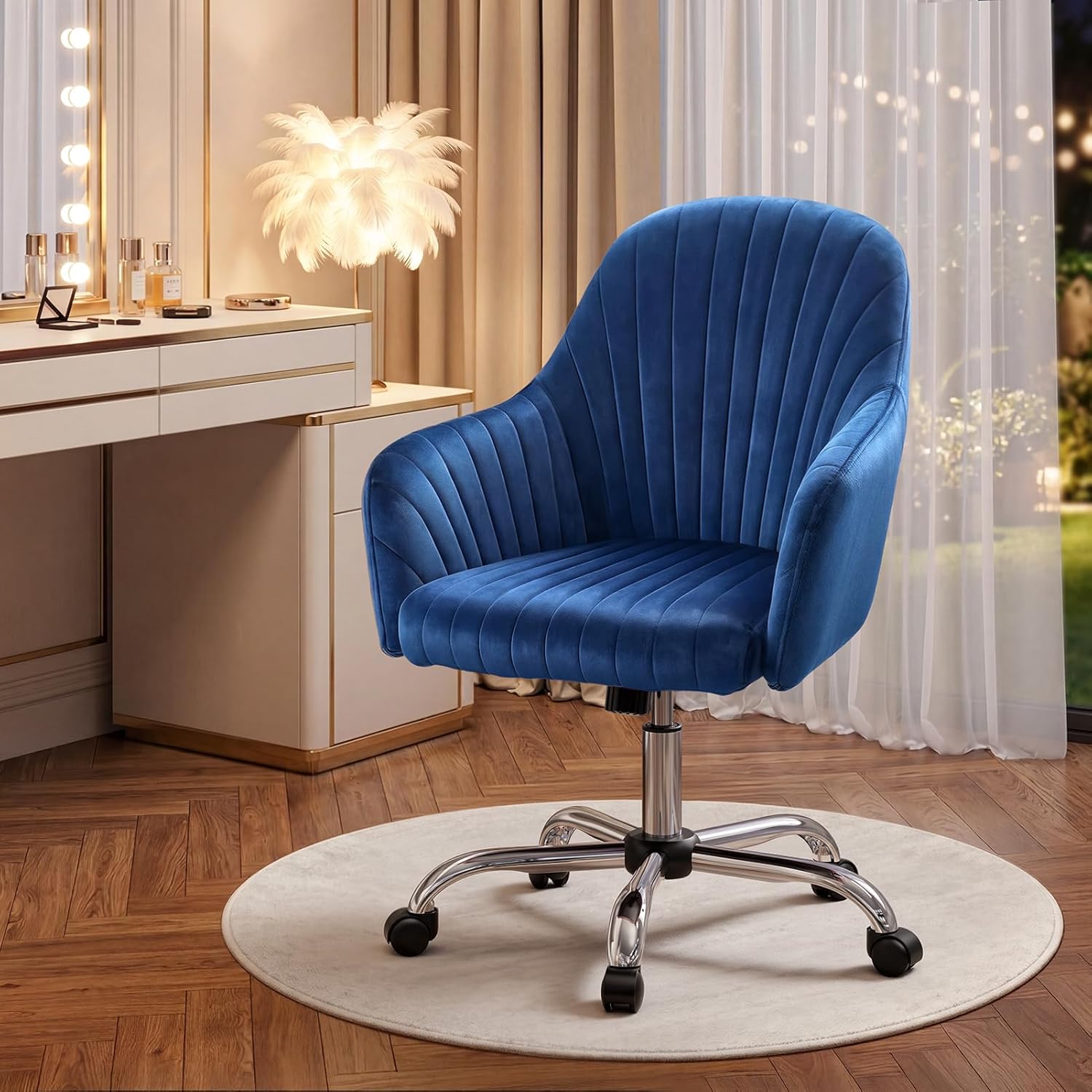
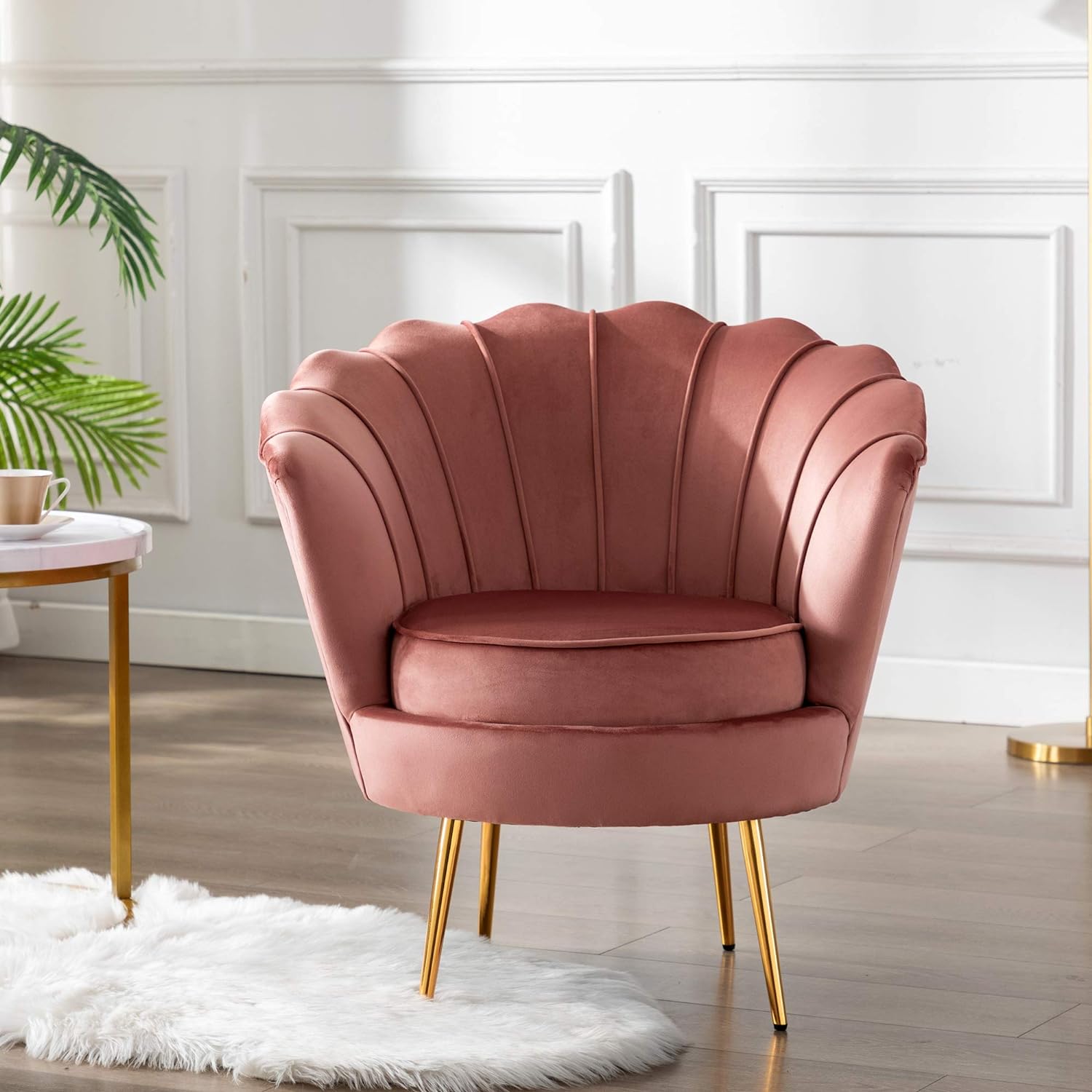
Pick almost any living room that feels half-finished and there is usually one thing conspicuously absent: a second seat that is not the sofa. An accent chair completes the room in a way that a second sofa rarely does. It creates the right conditions for a real conversation, breaks up the visual bulk of a large sectional, and gives you the one piece in the room with genuine latitude for personality.
"Accent chair" covers a lot of territory, though. A barrel chair with a carved walnut frame, a slim velvet slipper chair, a tufted leather wingback, a sculptural lounge piece on powder-coated steel legs: all of these are accent chairs, and they fit very different rooms and serve very different purposes. This guide covers the decisions that actually matter so you end up with a chair you use every day rather than one that photographs well and collects dust in the corner.
Getting Scale Right First
The most common mistake with accent chairs is buying one that is the wrong size for the room. A chair that is too large overwhelms the seating area. One that is too small reads as an afterthought, visually disconnected from the sofa and coffee table it is supposed to work with.
A practical starting point: the seat height of your accent chair should be within about two inches of your sofa's seat height. When people sit across from each other, you want eye level to be roughly consistent. A very low lounge chair positioned beside a standard-height sofa makes the seating group feel like two separate rooms rather than one cohesive arrangement.
Width is the other dimension to watch. For a standard living room, an accent chair between 28 and 36 inches wide works well. Below that and it starts to look like supplemental seating rather than a deliberate piece. Above 36 inches and it competes visually with the sofa for dominance of the space.
Upholstery: What to Expect from Each Material
Upholstery carries most of the personality in an accent chair, and it also carries most of the maintenance. The three most common choices each have real trade-offs worth understanding before you buy.
Velvet is the richest-looking choice at almost any price point. The way velvet handles light and holds color is difficult to match with other fabrics. The practical note is that velvet shows impressions from contact and benefits from periodic brushing to keep the pile uniform. A quality performance velvet, made from synthetic fibers engineered to resist crushing and staining, gets you most of the visual appeal with significantly better durability. Acmease Velvet Accent Chair with Ottoman is a useful illustration of this: the velvet upholstery reads as genuinely luxurious, the included ottoman doubles as a footrest or extra seat, and the frame handles daily use without complaint.
Linen and woven cotton are the practical workhorses. Both breathe well, come in a broad range of textures and weaves, age reasonably, and work in both traditional and contemporary rooms. They stain more easily than velvet, but most quality woven upholstery responds well to spot cleaning. For a living room that sees real daily traffic, a woven fabric is a very sensible choice.
Leather is the most durable and the most visually committed. A leather wingback or club chair makes a strong classical statement and ages in a way other fabrics simply do not. It suits rooms with wood-heavy furnishings, traditional architectural details, or a study or library sensibility. In a light, contemporary room, leather can feel like a style collision rather than a contrast.
Frame and Leg Materials
The legs and frame are the chair's architectural detail. They do significant visual work even though buyers often treat them as secondary to the upholstery choice.
Solid wood legs in walnut, beech, or oak add warmth and provide visual continuity in rooms that already have natural materials. Tapered solid wood legs are associated with mid-century modern design for good reason: they bridge contemporary and traditional furniture well and have remained popular for seven decades because of it.
Metal legs in matte black, brushed brass, or chrome push the chair in a more contemporary direction. They give the piece a lighter visual presence, which is useful in a smaller room or when you want the chair to feel less dominant. A substantial upholstered body on slim metal legs achieves a kind of floating quality that reads as genuinely modern without requiring a carefully curated surrounding space.
One thing worth checking regardless of material: how the frame is joined. Mortise-and-tenon or dowel-joined solid wood frames hold up to years of daily use. Staple-joined particleboard frames are fine for occasional use but tend to fail under sustained loading. A chair you plan to sit in every day is worth the additional cost of a properly constructed frame.
Where Accent Chairs Actually Go
There are four placements that work reliably, and each changes what the chair does for the room.
Angled beside the sofa is the most classic arrangement. The chair sits at roughly 45 degrees to the sofa, both oriented toward a shared focal point such as the coffee table or fireplace. This is the arrangement for rooms that are genuinely used for conversation. It requires enough floor space for the chair, a clearance buffer from the coffee table, and some breathing room between the chair and the sofa end.
Opposite the sofa works when the seating area is large enough to support two opposing walls. Two accent chairs facing the sofa across a generous coffee table is a particularly effective arrangement for people who entertain regularly.
In a corner suits reading chairs and solo-use pieces well. A reading lamp nearby, a small side table, and a window or bookshelf as a backdrop: this creates a secondary zone in the room that does not disrupt the main seating group. A FLEXISPOT AC1 Accent Chair in a corner creates a functional destination rather than just additional seating capacity.
As the primary seat works in studio apartments and small rooms where a sofa would claim most of the floor. A pair of matched or complementary accent chairs handles a compact living space more gracefully than a sofa that dominates every wall.
Coordinating with Existing Furniture
An accent chair does not need to match your sofa, but it should relate to it. The most successful living rooms mix materials and textures with some deliberate intention rather than random accumulation.
If your sofa is a large neutral (grey, cream, charcoal, navy), an accent chair in a contrasting but complementary color adds visual interest without overwhelming the room. A sage green velvet chair beside a grey linen sofa is a reliable combination. So is a warm terracotta beside a cream sofa, or a deep teal beside a charcoal one. The key is that the accent chair's color should appear elsewhere in the room in smaller amounts, through cushions, a throw, or artwork, so it feels intentional rather than dropped in from a different space.
What to avoid is a chair that feels like it belongs to an entirely different design period than the sofa. Contrast works when both pieces share some underlying design logic, even if they look different on the surface. A clean-lined contemporary sofa and a barrel chair with tapered legs can work together. A glass-and-chrome sofa with an ornately carved Victorian wingback is a style collision, not a contrast.
Comfort Versus Display
An accent chair that nobody sits in is a decoration, not furniture. Before buying based on how something looks in a product photo, try to sit in it in a showroom, or read customer reviews that specifically address seat depth and cushion firmness from people who use it daily.
Seat depth of 19 to 21 inches works for most people in a comfortable, upright position. Deeper seats, 22 inches and over, encourage a more reclined posture and suit lounge chairs better than chairs in a conversation arrangement. Shallow seats under 18 inches feel too upright for extended sitting.
Back height affects how dominant the chair looks as much as how comfortable it is. A high-backed chair commands more visual weight and supports taller people better. A low-backed or armless chair reads as lighter and less formal, and integrates more easily with contemporary and minimal furniture.
What to Budget
In the $150 to $400 range, well-constructed accent chairs with performance upholstery, solid or welded steel frames, and designs that hold up over years are entirely achievable. This is the practical range for a chair seeing daily use in a family living room.
Above $400, you are paying for natural material upholstery such as genuine leather, high-count cotton velvets, or hand-woven fabrics, solid hardwood frames with proper joinery, or original designer pieces. These are worthwhile investments for pieces you plan to keep for a decade or more.
Below $100, frame construction and upholstery quality tend to compromise durability significantly. Fine for a guest room or occasional use, but for a primary seating position in a daily-use living room, the lifespan tends to disappoint.
Browse the full chairs collection for all current options. If you are looking specifically for a workspace chair, see the ergonomic office chair guide instead.