The Complete Guide to Desk Lamp Positioning
Your desk lamp position significantly impacts eye comfort, productivity, and long-term vision health. Improper lighting causes eye strain, headaches, and fatigue. This guide covers ergonomic desk lamp placement principles backed by research and professional recommendations.
The Opposite-Hand Rule
The fundamental principle: Place your desk lamp on the opposite side of your writing hand. Right-handed? Lamp goes on the left. Left-handed? Lamp on the right.
Why? This prevents your hand and arm from casting shadows across your work as you write, type, or reference documents. Shadows force your eyes to constantly readjust to varying light levels, causing fatigue.
Optimal Lamp Height and Angle
Height: Position your lamp 15-20 inches above your desk surface. At this height, light spreads evenly across your workspace without glare directly in your eyes.
Angle: Tilt the lampshade 45 degrees toward your work, not directly at your face. The light should illuminate your keyboard, documents, and notebook area: not shine into your eyes or reflect off your monitor.
Distance: Maintain 18-24 inches between lamp and primary work area. Closer causes harsh lighting and strong shadows; farther reduces effectiveness.
Preventing Computer Glare
If you work primarily on a computer, lamp placement requires additional considerations:
- Position lamp to the side, not behind or directly in front of your monitor
- Ensure no light reflects off monitor screen (check from sitting position)
- Use lamps with adjustable arms to fine-tune positioning throughout the day
- Consider monitor-mounted task lights for direct keyboard illumination without screen glare
Test by turning off overhead lights and using only your desk lamp. Your monitor should have no visible reflections or "hot spots" when displaying dark content.
Brightness and Color Temperature
Brightness Levels: Aim for 450-650 lumens for task lighting. Too dim forces eye strain; too bright causes discomfort. Choose lamps with dimming capability to adjust throughout the day as natural light changes.
Color Temperature: For office work:
- Morning/Daytime: 4000-5000K (cool white) improves alertness and focus
- Evening: 2700-3000K (warm white) reduces blue light before bedtime
- All-Day Comfort: 3500-4000K (neutral white) provides balance
Select lamps with adjustable color temperature if you work varied hours. This matches lighting to circadian rhythms and reduces digital eye strain.
Multiple Light Source Strategy
The best office lighting combines three layers:
Ambient Lighting: Overhead or general room lighting (300-500 lux). Prevents stark contrast between bright workspace and dark surroundings.
Task Lighting: Your desk lamp (500-1000 lux). Focused illumination for specific activities like reading, writing, or detailed work.
Accent Lighting: Optional decorative elements. Adds visual interest and reduces harshness of direct task lighting.
Avoid working with only a desk lamp in an otherwise dark room. This extreme contrast between bright work area and dark periphery causes significant eye strain.
Special Considerations for Different Tasks
Computer Work: Lower brightness needed since monitor emits light. Position lamp for document lighting without screen glare. Monitor brightness should match room brightness.
Drawing/Design: Requires bright, color-accurate lighting (5000K+, 90+ CRI). Position lamp higher and farther back to illuminate entire work surface evenly.
Reading/Writing: 500-750 lumens, warm white (3000K), positioned over shoulder from writing-hand side. Avoid shadows on page.
Video Calls: Position lamp in front and slightly above, pointing toward your face (not in camera view). Provides flattering illumination for calls without harsh shadows.
Adjustable Lamps: Worth the Investment?
Adjustable-arm lamps allow precise positioning throughout the day and for different tasks. Look for:
- Multi-joint arms: Position anywhere on desk without moving lamp base
- Stable positioning: Stays where you set it without drooping
- Base weight: Heavy enough to balance extended arms without tipping
- Rotatable head: Angles light precisely where needed
While more expensive ($50-200 vs. $20-50 for fixed lamps), adjustability provides flexibility for various tasks at different times of day.
Signs of Poor Lamp Placement
If you experience these symptoms, reassess your lighting:
- Frequent headaches, especially after extended desk work
- Eye strain or difficulty focusing by day's end
- Feeling of "working in a cave" or room feels gloomy
- Difficulty reading handwritten notes or printed documents
- Squinting or leaning forward to see clearly
- Screen glare forcing awkward postures to avoid reflection
Desk Lamp Styles for Different Office Aesthetics
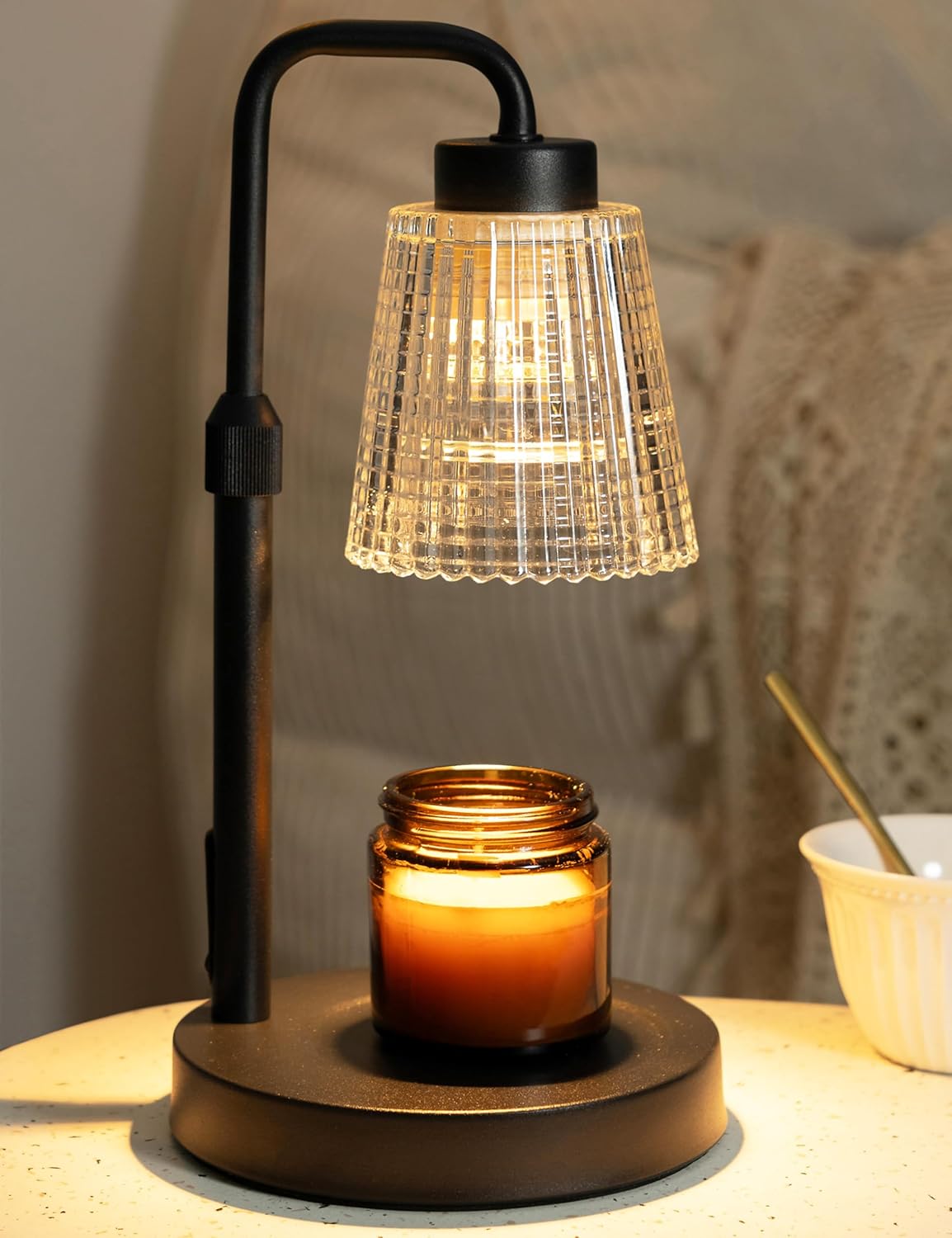
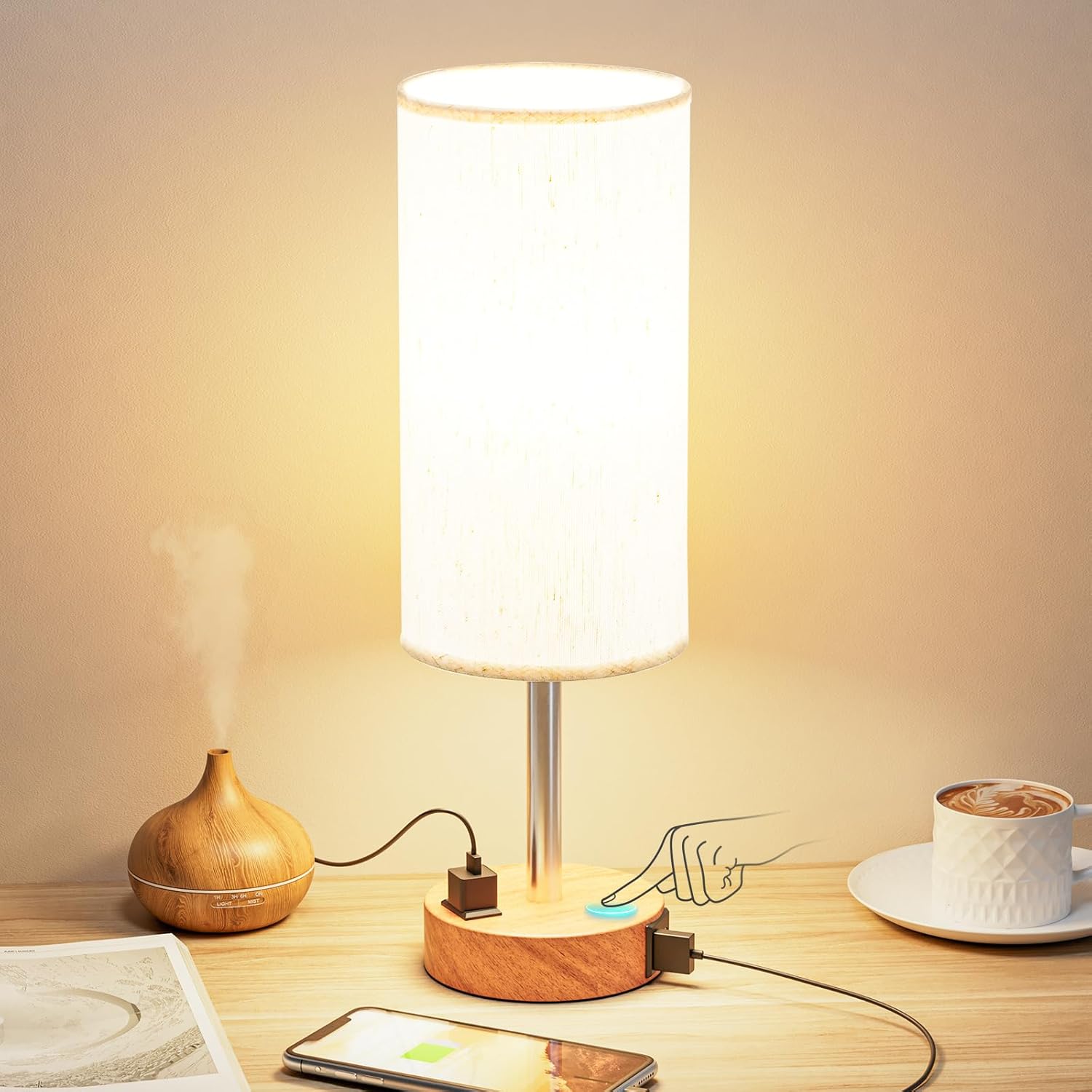
Modern Minimalist: Slim LED desk lamps, monochromatic finishes, hidden cables, touchcontrol dimming
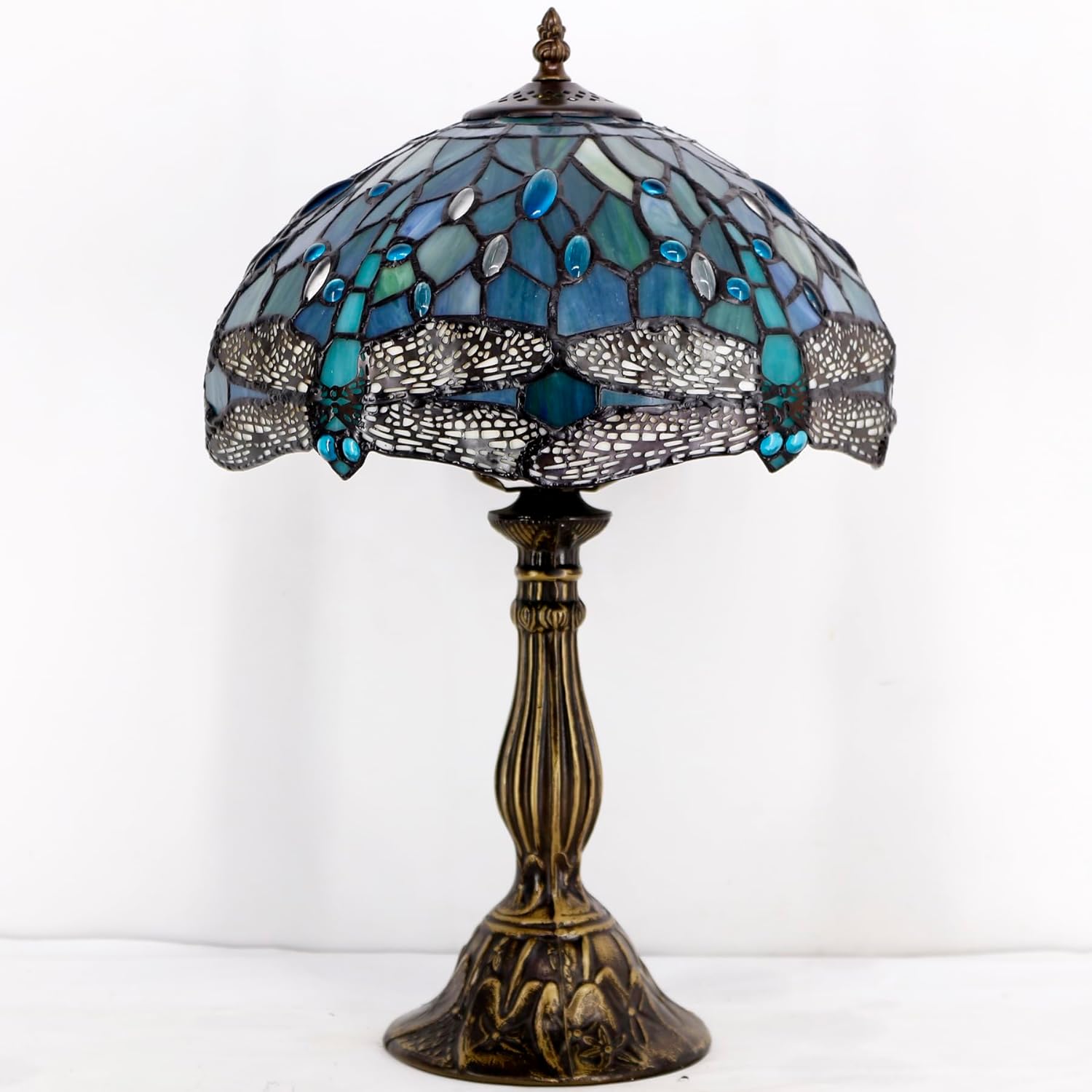
Traditional: Brass bankers lamps with green glass shades, warm Edison bulbs, classic proportions
Industrial: Swing-arm architect lamps, exposed bulbs, metal construction, mechanical adjustments
Scandinavian: Light wood elements, white or neutral colors, organic shapes, integrated dimming
Choose style based on decor, but prioritize functionality: adjustability, appropriate brightness, and quality light over aesthetics alone.
Maintenance and Bulb Selection
Clean lamp and shade monthly to maintain light output. Dust significantly reduces brightness. Replace bulbs when they dim to 70% original brightness (usually after 2-3 years for LEDs).
Choose bulbs with:
- High CRI (90+) for accurate color rendering
- Appropriate color temperature for your work
- Adequate brightness without being harsh
- Flicker-free operation (quality LEDs)
Proper desk lamp placement might seem minor, but it profoundly affects daily comfort and long-term eye health. Spending time optimizing lamp position, brightness, and color temperature prevents fatigue and creates a more productive, pleasant home office environment.