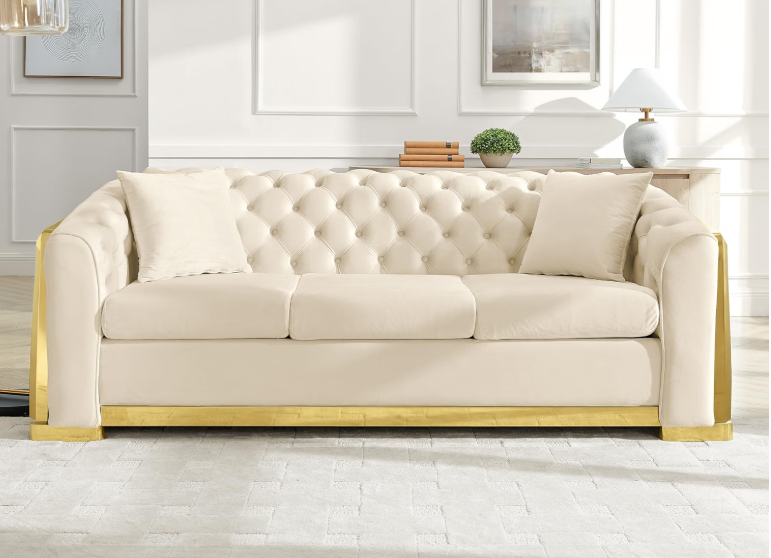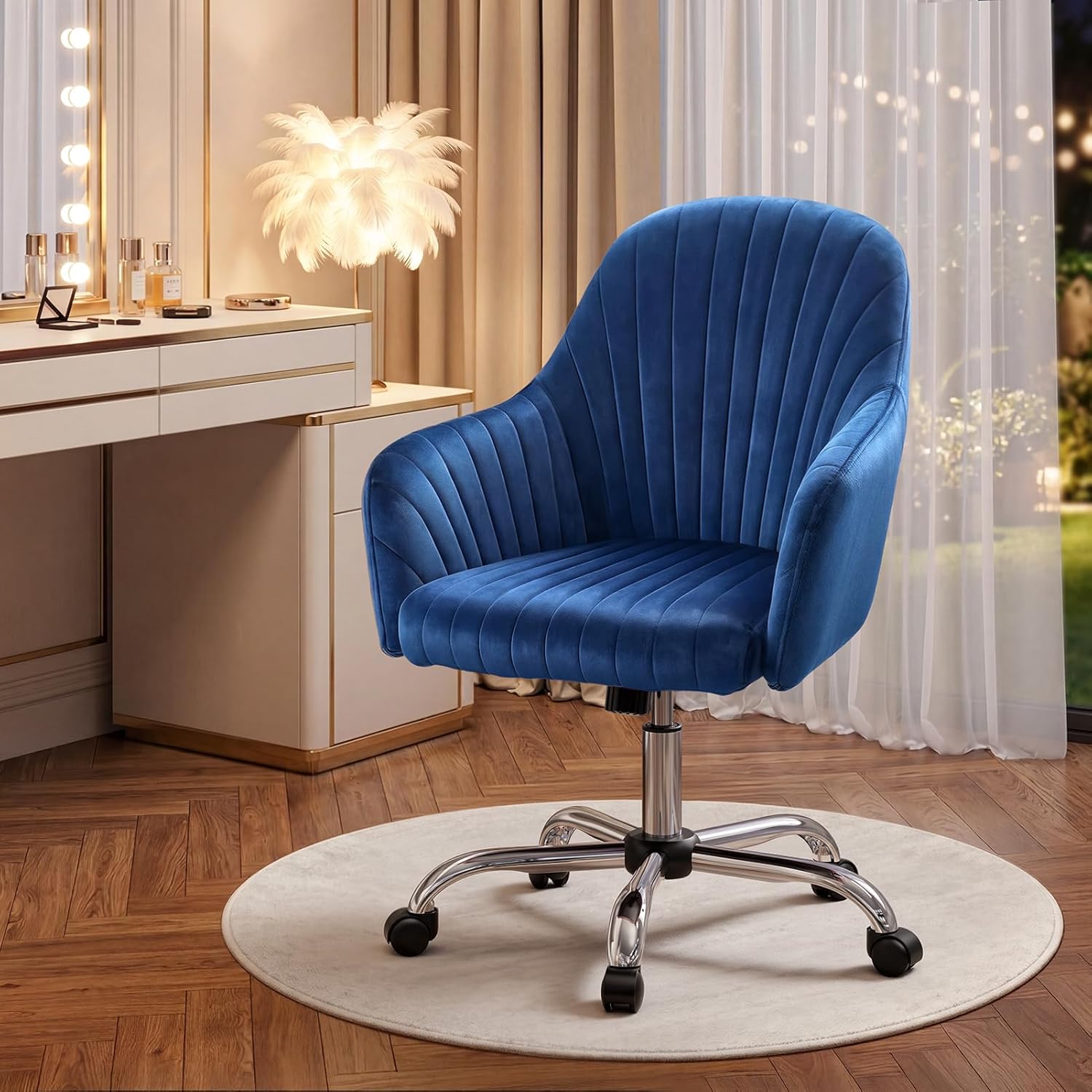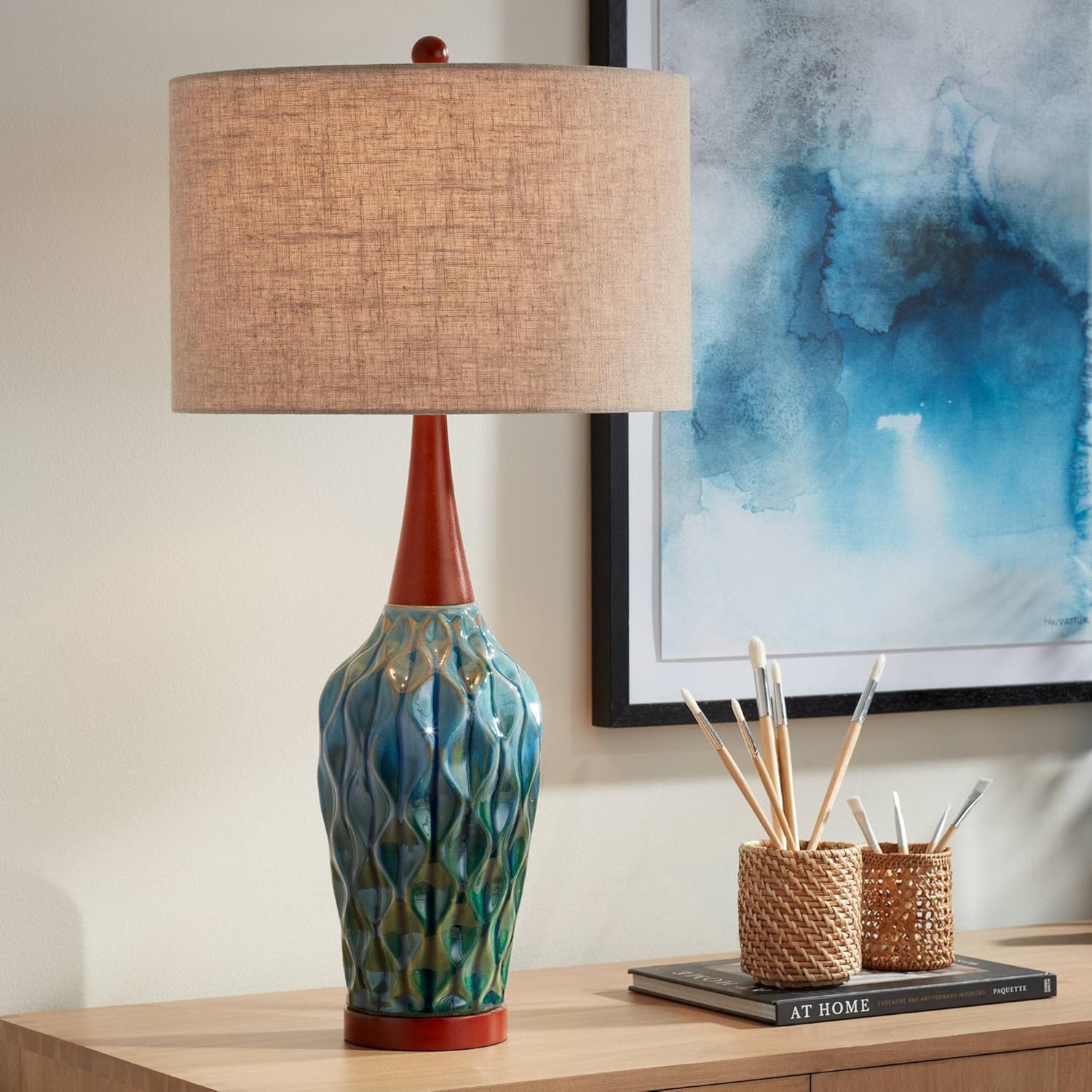
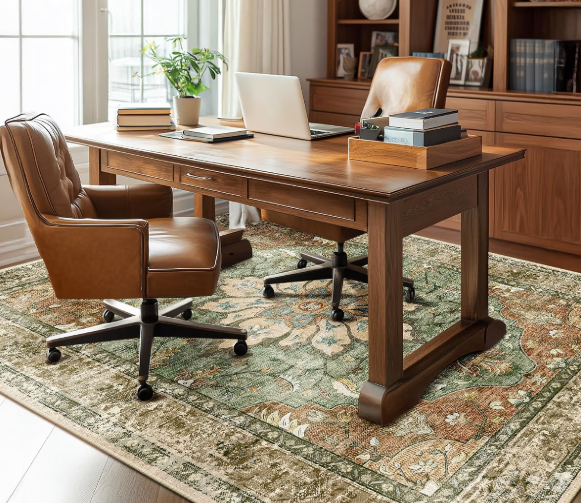
A living room can have beautiful furniture, great lighting, and carefully chosen accessories, yet still feel unfinished. Very often, the missing piece is an area rug.
The right living room rug does more than add softness underfoot. It helps define the seating area, connects your furniture visually, adds texture, and can make the entire room feel more polished. The wrong rug can have the opposite effect, especially when it is too small for the furniture around it.
Choosing one does not have to be complicated. Below are answers to the most common living room rug questions, including how to choose the right size, where to place it, which materials to consider, and what to avoid.
What Size Rug Should I Use in a Living Room?
The best rug size depends on your furniture arrangement, not just the size of the room. In most cases, the rug should be large enough to visually connect the main seating pieces.
For many medium and larger living rooms, an 8 x 10 or 9 x 12 foot rug is a practical starting point. Smaller seating areas may work well with a 6 x 9 rug, while larger open-concept rooms may need a 10 x 14 or larger design.
The important thing is how the rug relates to your furniture. A rug that is technically large enough for the room can still look too small if the sofa and chairs sit completely outside its edges.
Should the Sofa Be on the Rug?
Usually, yes. One of the easiest ways to make a living room look more cohesive is to have at least the front legs of the sofa sitting on the rug.
This arrangement visually ties the sofa to the coffee table and surrounding chairs instead of making each piece look like it is floating independently.
There are several ways to position a living room rug:
- All furniture on the rug: Best for larger rooms and open layouts where you want to create a clearly defined seating area.
- Front legs on the rug: A versatile option that works well in many living rooms and usually requires a smaller rug.
- Coffee table only: Can work in particularly small spaces, although the rug should still relate to the full seating arrangement rather than being sized only for the table.
Current rug sizing guidance from major home retailers and interior design publications also emphasizes sizing the rug around the furniture grouping rather than simply filling a certain percentage of floor space.
What Is the Most Common Living Room Rug Mistake?
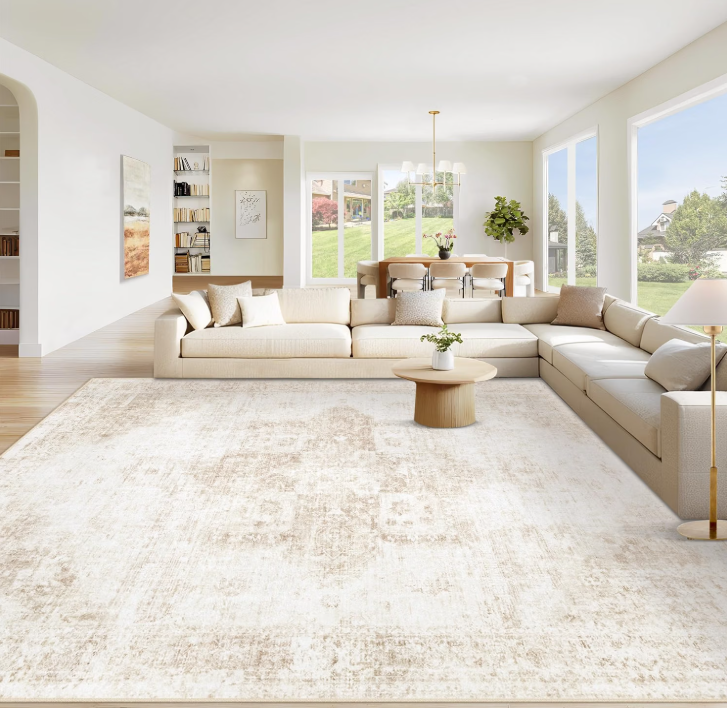
The most common mistake is choosing a rug that is too small.
A small rug can make expensive furniture look disconnected because the seating area no longer reads as one composition. You may have a sofa, accent chairs, and coffee table that all look good individually, but the room can still feel oddly scattered.
When deciding between two sizes, the larger option is often worth considering. A properly scaled larger rug can make the seating area feel more intentional and substantial.
Before ordering, use painter's tape to mark the dimensions of the rug directly on your floor. This is one of the easiest ways to see whether the size will work with your existing furniture.
How Much Floor Should Show Around a Living Room Rug?
You do not generally want an area rug pushed right against every wall unless you are intentionally creating a wall-to-wall effect.
Leaving visible flooring around the rug provides some breathing room and helps define the seating area. In many rooms, roughly 12 to 18 inches of visible floor around the rug can create a balanced look, although the ideal amount depends on the room and furniture layout.
The more important consideration is that the rug feels connected to the furniture. A perfectly measured border around the room does not help much if the rug itself is too small for the seating arrangement.
Should a Living Room Rug Be Centered?
Not necessarily.
A rug is usually better centered on the furniture arrangement rather than automatically centered in the room.
For example, if your sofa and two chairs create a conversation area on one side of a large open room, centering the rug beneath that grouping can look much better than centering it according to the room's walls.
This is particularly useful in open-concept homes where the rug can help visually establish where the living room begins and ends.
What Is the Best Rug Material for a Living Room?
There is no single best material for every home. The right choice depends on traffic, maintenance, comfort, and the look you want.
Wool Rugs
Wool is a popular choice for high-quality living rooms because it is naturally durable, comfortable, and available in a wide variety of textures and patterns. It can be an excellent choice when you want a rug that feels substantial and refined.
Cotton Rugs
Cotton rugs tend to have a more casual appearance. They are often lighter and easier to incorporate into relaxed interiors, although durability varies depending on the construction.
Synthetic Rugs
Materials such as polypropylene and polyester can be useful when durability, stain resistance, and easy maintenance are priorities. They are particularly worth considering in homes with children, pets, or heavy everyday traffic.
Jute and Natural Fiber Rugs
Jute and other natural fibers bring warmth and texture to a room. They can work beautifully with neutral furniture, natural wood, and relaxed design styles.
Natural fiber rugs can have a more casual feel and may not be the best choice if you want an especially soft surface underfoot.
What Rug Color Works Best in a Living Room?
The best rug color depends on what is already in the room.
If you have a bold sofa or colorful artwork, a neutral rug can keep the overall design from feeling too busy. If the furniture is neutral, a patterned or richer-colored rug can introduce contrast and become a focal point.
For a classic luxury look, consider layered neutrals such as cream, ivory, taupe, beige, warm gray, or brown. These colors tend to work well with a wide range of furniture finishes.
You can also use a rug to repeat an existing accent color. For example, a navy rug with small cream details can connect a navy accent chair to lighter upholstery elsewhere in the room without making everything look overly matched.
Should the Rug Match the Sofa?
It does not need to match exactly. In fact, an exact match can sometimes make a room feel overly coordinated.
Instead, look for colors and textures that relate to one another. A cream sofa might work with a rug featuring warm beige and subtle brown details. A charcoal sofa can pair well with gray, ivory, muted blue, or earthy tones.
The goal is coordination rather than duplication.
What Pattern Should I Choose for a Living Room Rug?
Think about the amount of visual activity already in the room.
If you have patterned curtains, colorful artwork, decorative pillows, and statement furniture, a simpler rug can provide balance.
If your furniture is relatively simple, a patterned rug can add personality and make the room feel more finished.
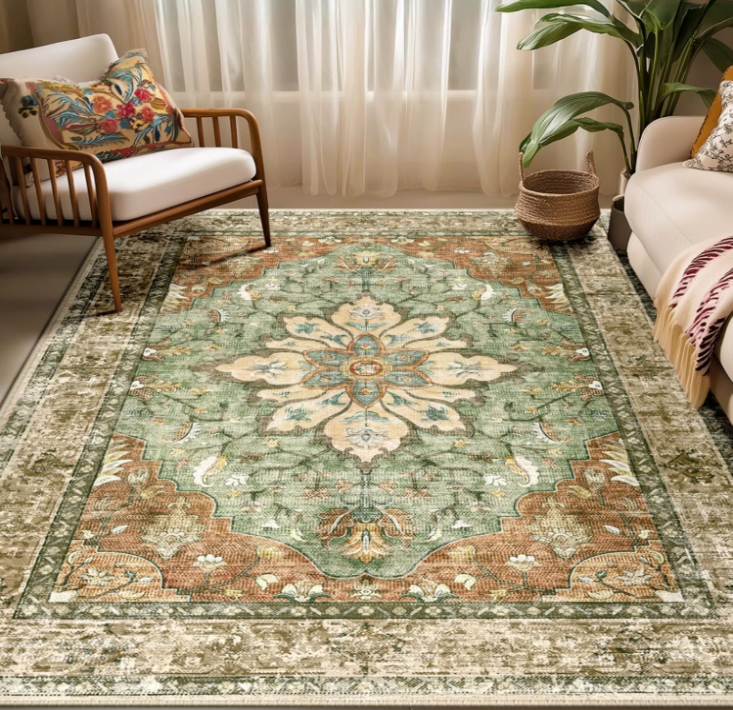
Traditional patterns, faded vintage-inspired designs, geometric patterns, organic shapes, and subtle tonal textures can all work well. The best option is the one that supports the overall style rather than competing with every other element in the room.
Is a High-Pile or Low-Pile Rug Better?
That depends on how the room is used.
A high-pile rug feels soft and comfortable, making it appealing in rooms where relaxation is the priority. It can add warmth and a sense of luxury.
A low-pile rug is usually easier to vacuum and can be more practical in high-traffic spaces. It can also make moving furniture and cleaning underneath tables easier.
For a busy family living room, a durable low or medium pile may be the most practical choice. For a quieter sitting room, a plush rug can create a more comfortable and intimate atmosphere.
Do I Need a Rug Pad Under My Living Room Rug?
A rug pad is usually a worthwhile investment.
It can help prevent the rug from sliding, reduce bunching, add cushioning, and provide some protection for the floor underneath. It can also help a rug feel more substantial underfoot.
Choose a pad designed for the type of flooring and rug you have. The pad should generally be slightly smaller than the rug so it remains hidden.
The thickness also matters. A very thick pad under a rug near a doorway can create clearance problems, while a thinner pad may be better for flatweave rugs or areas where furniture needs to move easily. Recent rug guidance continues to recommend matching pad thickness and construction to both the rug and the room's function.
How Far Should a Living Room Rug Be From the TV Stand?
There is no single required distance, but the rug should generally feel connected to the main seating area without interfering with the furniture or walkways.
If the television is mounted above an entertainment center or console, the rug can extend toward that side of the room while remaining primarily underneath the seating arrangement.
In smaller rooms, it can be tempting to buy a narrow rug just to fill the space between the sofa and TV stand. Instead, consider the entire seating area when choosing your dimensions.
Can I Put a Rug Over Carpet?
Yes. Layering a smaller rug over wall-to-wall carpet can add pattern, texture, or definition to a room.
The trick is to make the combination look intentional. Choose a rug that contrasts with the carpet in either color, texture, or pattern rather than one that almost matches it.
A rug pad designed for carpet can also help prevent excessive movement and keep the top rug positioned properly.
Can You Layer Two Rugs in a Living Room?
Yes, but layering works best when the two rugs have a clear relationship.
One common approach is to use a larger neutral natural-fiber rug as a base and place a smaller patterned rug over it. This can add depth without requiring one large patterned rug to carry the entire room.
Keep the layering controlled. Too many competing patterns or textures can make the room feel cluttered rather than luxurious.
What Size Rug Should Go Under a Coffee Table?
Ideally, the rug should relate to the entire seating group rather than being selected specifically for the coffee table.
In a compact space where only the coffee table sits on the rug, a 5 x 8 or 6 x 9 can sometimes work. In a larger room, an 8 x 10 or 9 x 12 may allow the coffee table, sofa, and chairs to sit together more naturally.
The coffee table itself should generally fit comfortably on the rug without looking as though it is balancing on the edge.
What Size Rug Works Best in a Small Living Room?
Small rooms do not automatically require the smallest possible rug.
A 5 x 8 or 6 x 9 rug can work well with a compact sofa and smaller seating area. However, the correct size depends on your furniture layout.
In some small living rooms, a slightly larger rug can actually make the space feel more cohesive because it eliminates the appearance of several separate furniture islands.
Measure the seating arrangement before making a final decision rather than choosing a rug solely because the room is small.
What Size Rug Works Best in a Large Living Room?
Larger rooms generally benefit from larger rugs that anchor more of the furniture.
An 8 x 10 may work in a medium-to-large room, while a 9 x 12 or 10 x 14 can be more appropriate for a generous seating arrangement or open-concept space.
A large rug can also help establish a separate living area within a much larger room. This is particularly useful when the kitchen, dining area, and living room share one open floor plan.
How Do I Make a Living Room Look More Luxurious With a Rug?
Luxury is often more about proportion and texture than simply choosing an expensive rug.
Start with the correct size. An appropriately scaled rug immediately makes a room feel more considered. From there, look for quality materials, subtle texture, sophisticated patterns, and colors that work with the rest of the room.
Avoid choosing a rug only because it looks impressive in a product photo. Consider how it will work with your sofa, accent chairs, coffee table, lighting, and flooring.
A simple rug in the right size can look far more sophisticated than an expensive rug that is too small.
How Do I Choose a Living Room Rug Online?
Shopping online can give you far more options, but it also makes careful measuring more important.
Before ordering, check the exact dimensions rather than relying on the product's visual appearance. Read the material and care information, review photos from different angles, and look at customer reviews for comments about color, thickness, shedding, and quality.
It is also worth checking the return policy. Rug colors can look different depending on lighting and screen settings, and a rug that seems perfect online may feel different once it is in your room.
Final Thoughts
The right living room rug can completely change how a space comes together. It anchors the furniture, defines the seating area, adds warmth, and gives the room another layer of texture and personality.
Start with size and placement before worrying about color or pattern. Make sure the rug works with your furniture arrangement, choose a material that suits your lifestyle, and use a quality rug pad to keep everything stable.
Most importantly, do not assume that a smaller room needs a tiny rug. In many cases, choosing a rug that is large enough to connect the seating pieces is what makes the room feel more polished and complete.