A living room should do several things at once: be comfortable enough to unwind in, attractive enough to entertain guests, and personal enough to feel genuinely yours. Achieving all three requires making smart decisions across several categories of furnishings, and knowing which purchases will have the biggest impact on your space.
This guide covers every major decision you'll face when furnishing or refurnishing a living room, with recommendations on what to prioritize and what to look for.
Start with a Floor Plan
Before buying anything, measure your room and sketch a rough floor plan. Note the location of doors, windows, outlets, and any architectural features. Knowing your exact dimensions prevents the single most common and costly mistake in living room decorating: buying a sofa that's too large for the space.
As a general rule, your sofa should occupy no more than two-thirds of the wall it sits against, and you should have at least 18 inches of clearance between the sofa and the coffee table.
The Sofa: Your Biggest Investment
The sofa sets the tone for the entire room and typically represents your largest single purchase. Because you'll live with it daily, prioritize quality and comfort over price. Key things to evaluate:
- Frame construction: Solid hardwood (kiln-dried oak, maple, or ash) is the most durable. Avoid frames built entirely from particleboard or staple-joined corners.
- Cushion fill: High-density foam (1.8 lb density or higher) holds its shape. Down-wrapped foam offers both support and softness. Pure down looks beautiful but requires regular fluffing.
- Fabric: Performance fabrics (like Crypton or solution-dyed acrylics) resist staining and fading. Velvet and linen look luxurious but mark more easily.
- Size: A 3-seat sofa (84–90 inches) works in most living rooms. For larger rooms, consider a sectional. For small spaces, a 2-seat loveseat or a modular sofa gives you flexibility.
Accent Chairs: Function and Personality
One or two accent chairs can transform a living room from a mono-purpose TV room into a proper sitting room. Chairs also give you the opportunity to introduce a contrasting color, pattern, or texture that breaks up what might otherwise be a monotonous palette.
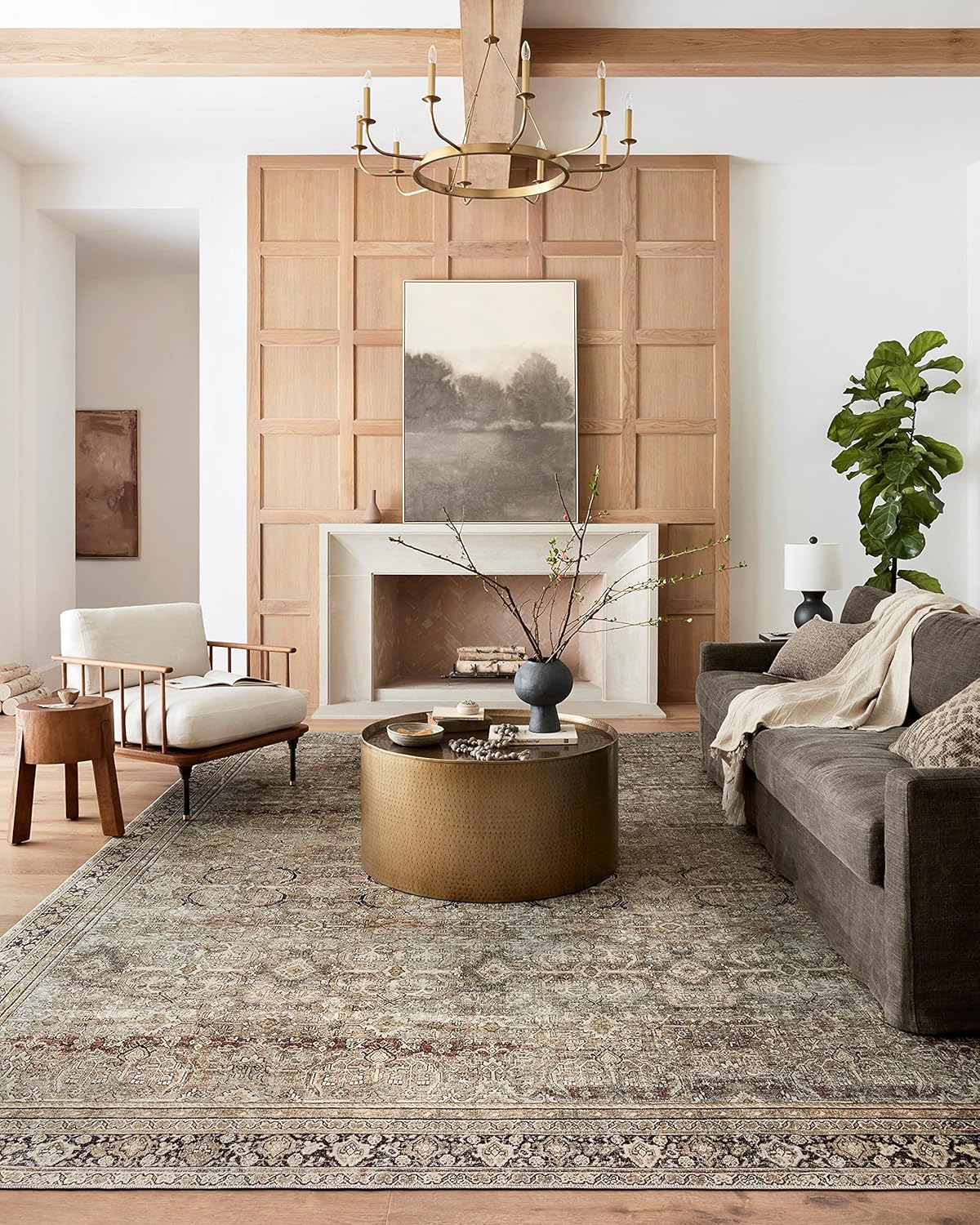
Position accent chairs so they face or angle toward the sofa rather than the TV. This creates a conversation-friendly arrangement. Look for chairs with sturdy legs, a seat depth of at least 20 inches, and a back height that works with the room's proportions.
Coffee Tables and Side Tables
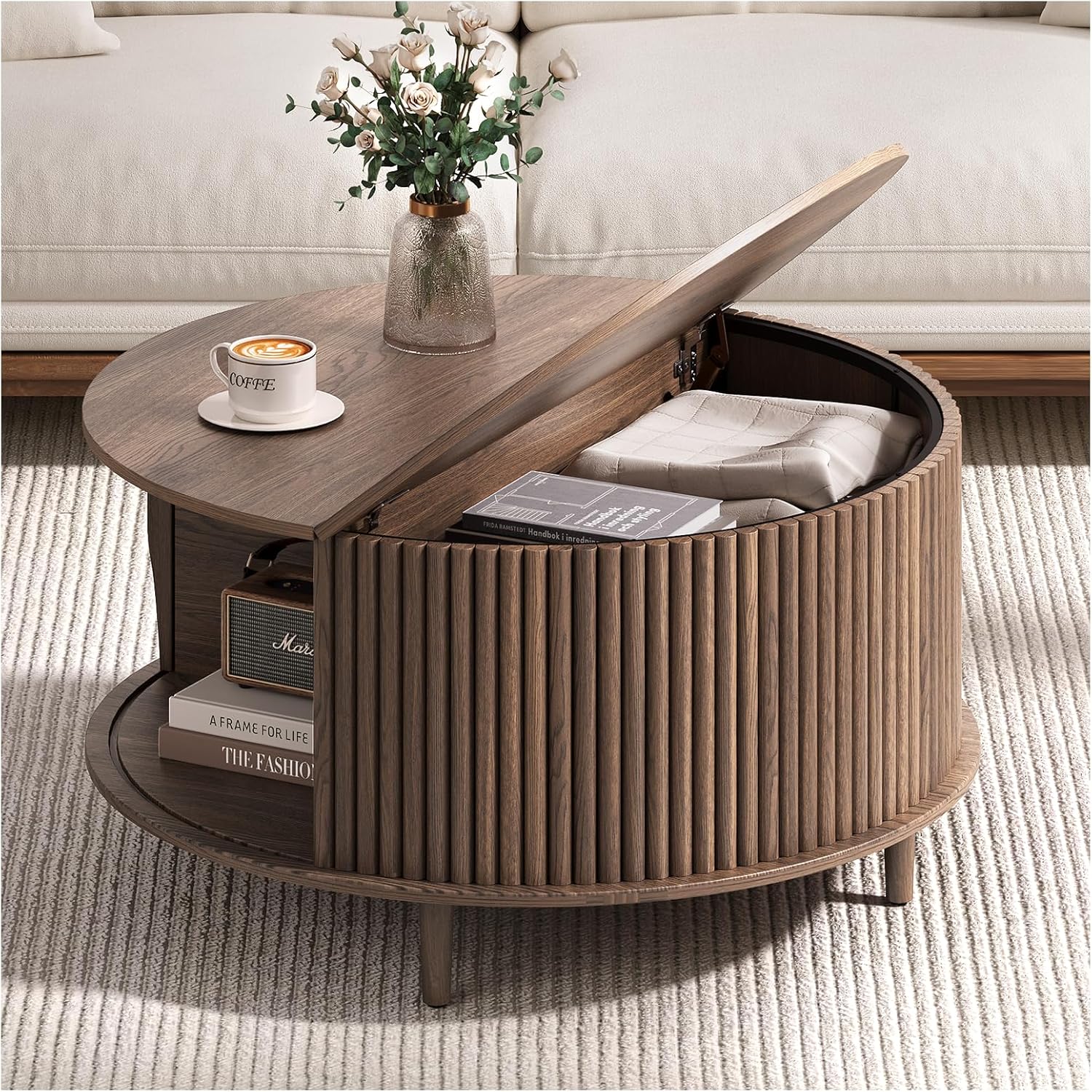
Coffee tables should be roughly two-thirds the length of your sofa and sit within comfortable reach, around 16–18 inches from the sofa edge. The height should be close to the height of your sofa's seat cushion.
Material choices carry aesthetic weight:
- Wood: warm, traditional, durable
- Glass: visually light, good for small rooms, shows fingerprints
- Marble/stone: luxurious, heavy, cold in feel, requires coasters
- Metal: industrial and modern, very durable
- Rattan/cane: relaxed, natural, lightweight
Side tables should be roughly the same height as your sofa armrests. They serve a practical purpose (lamp, drink, remote) but can also be a design moment in miniature.
Lighting: The Most Overlooked Category
Most living rooms are dramatically under-lit. A single overhead fixture is insufficient for both function and ambience. A well-lit living room requires:
- Ambient light: a ceiling fixture, recessed lighting, or a large pendant for overall illumination
- Task light: a table lamp or floor lamp positioned for reading
- Accent light: a smaller decorative lamp, LED strips, or candles to create warmth and depth
Use warm-white bulbs (2700–3000K) in living spaces. Cooler bulbs (4000K and above) are better suited to kitchens and bathrooms.
Rugs: Anchoring the Space
An area rug defines the seating arrangement and gives the room a sense of cohesion. The most common mistake is choosing a rug that's too small. As a basic rule: all the legs of your main furniture should either all be ON the rug, or all be OFF the rug. A rug with only the front legs of a sofa sitting on it looks awkward and makes the room feel disconnected.
For most living rooms, start with an 8×10 foot rug. In larger rooms, a 9×12 may be necessary.
Accessories and Finishing Touches
Accessories are where your personality truly enters the room. Think in terms of layers and groupings:
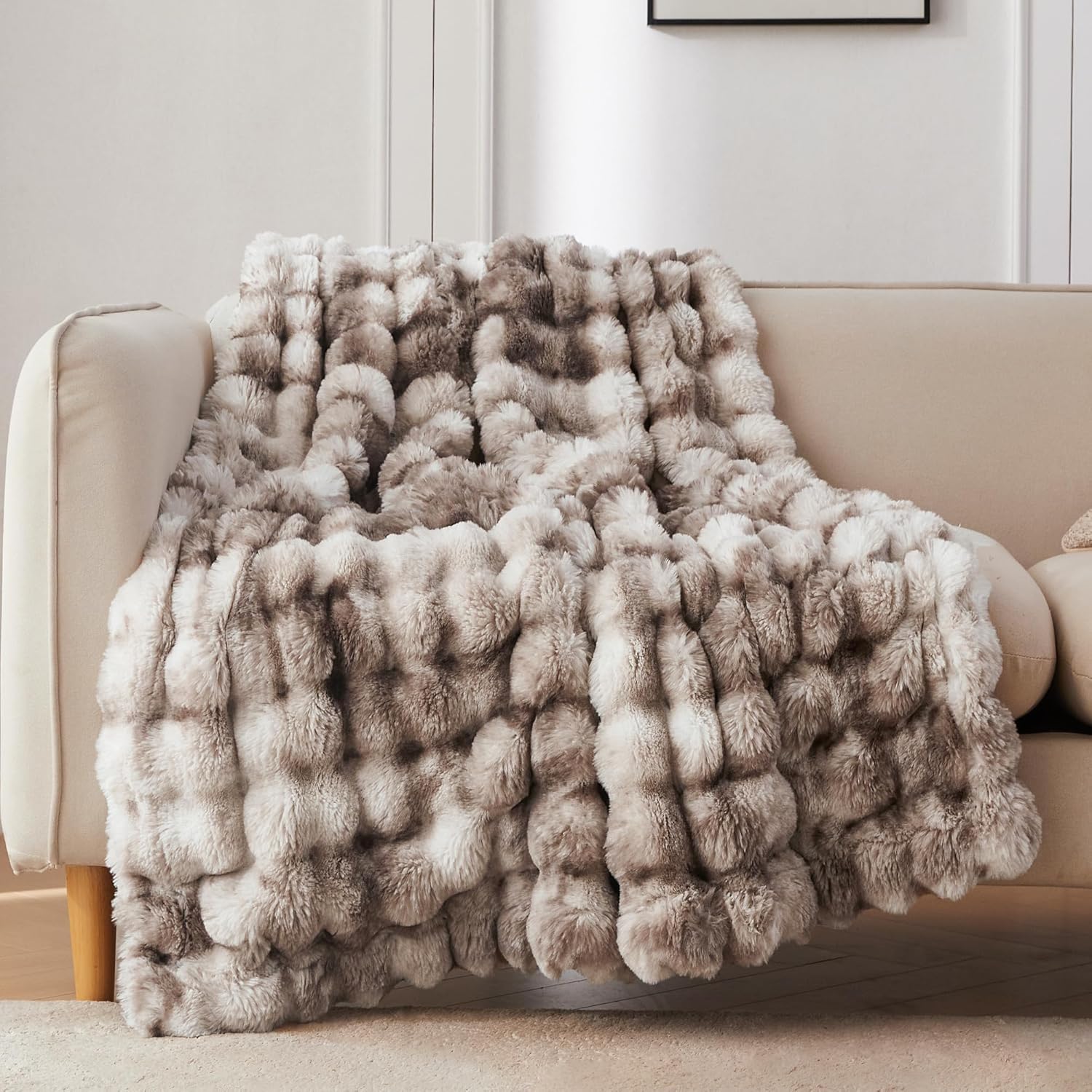
- Throw pillows and blankets: the quickest way to change the color palette of a room seasonally
- Art and mirrors: hang art at eye level (57–60 inches to the center of the piece)
- Plants: real or high-quality faux, plants bring life and organic texture to any room
- Books and objects: group decorative objects in odd numbers (3 or 5), varying height
- Candles and diffusers: scent is an underutilized dimension of home atmosphere
Shopping Priority Order
If budget is a constraint, invest in roughly this order:
- Sofa (use it every day, should last 10+ years)
- Rug (anchors the room, difficult to change once furniture is in place)
- Floor or table lamp (immediate atmosphere upgrade)
- Coffee table
- Accent chair
- Side tables and accessories last
Buy the best quality you can afford on the first three items. On accessories, budget less, these are the elements you'll likely refresh over the years anyway.