General Lighting Questions
What makes a lamp "designer" or "luxury"?
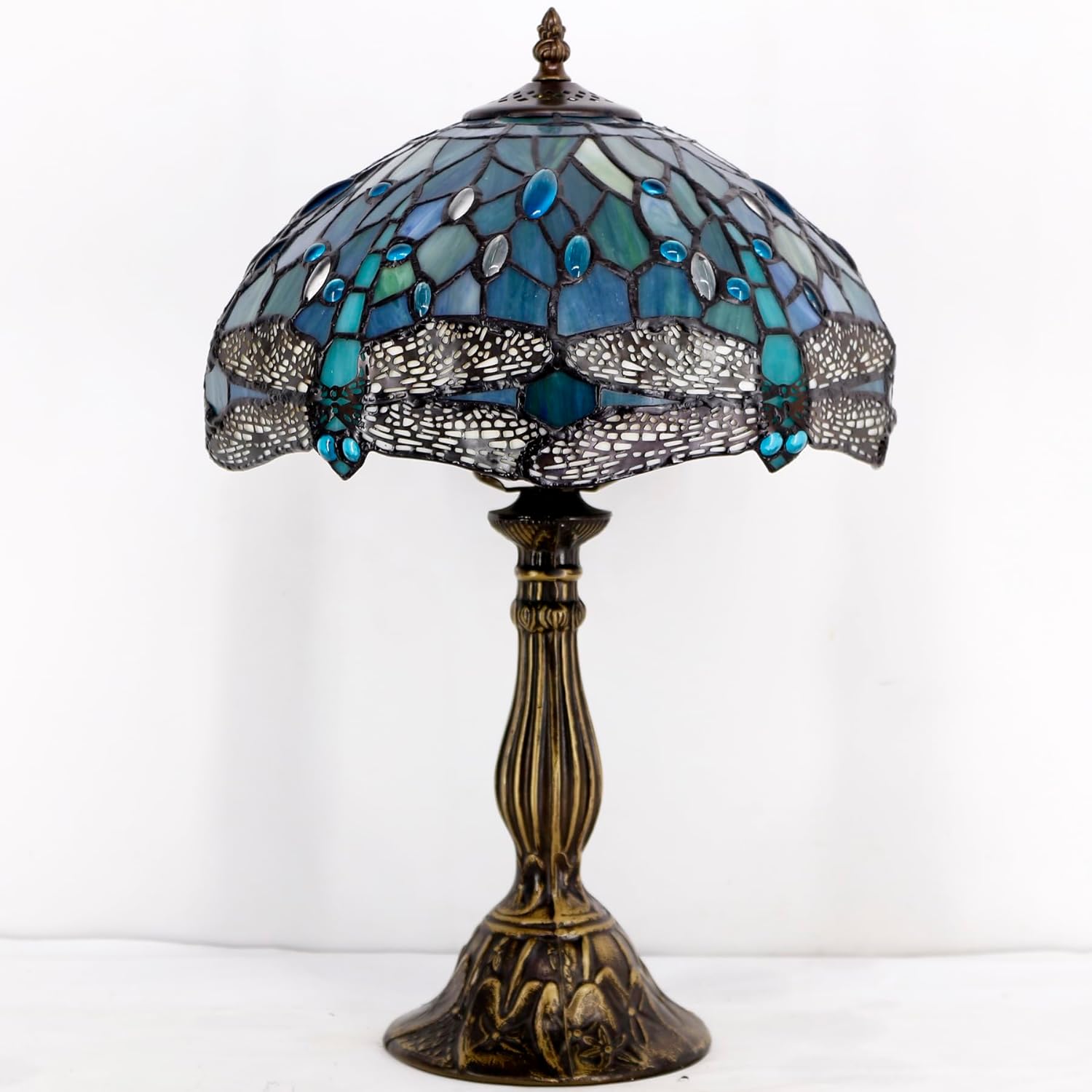
Designer lamps distinguish themselves through exceptional craftsmanship, innovative design, quality materials, and often the reputation of their creator. Luxury lamps typically feature hand-finished details, premium materials like solid brass or hand-blown glass, and thoughtful engineering that ensures both beauty and functionality. Many designer lamps become collectible pieces that increase in value over time, particularly those from renowned designers or limited production runs.
How much should I expect to pay for a quality table lamp?
Quality table lamps span a wide price range depending on materials, brand, and design complexity. Entry-level designer lamps start around $300-500, mid-range options fall between $500-1,500, and high-end luxury pieces can exceed $2,000-5,000. Iconic designs from famous designers or limited editions command even higher prices. Remember that a well-made lamp can last decades, making it a worthwhile investment when calculated per year of use.
What's the difference between ambient, task, and accent lighting?
Ambient lighting provides general illumination for a room, typically from ceiling fixtures or multiple lamps. Task lighting focuses on specific activities like reading, cooking, or working, requiring brighter, more directed light. Accent lighting highlights architectural features, artwork, or decorative objects, creating visual interest and depth. A well-lit room combines all three types, creating a layered lighting scheme that adapts to various activities and moods.
Bulb and Technology Questions
LED vs. incandescent vs. CFL: which is best for luxury lamps?
LED bulbs have become the standard for luxury lighting due to their energy efficiency, long lifespan (up to 50,000 hours), and improving light quality. Modern LEDs now offer warm color temperatures (2700K-3000K) that mimic traditional incandescent bulbs without the heat or high energy consumption. Incandescent bulbs are being phased out but offer the warmest, most flattering light. CFLs fall somewhere between but contain mercury and take time to reach full brightness. For luxury lamps, choose high-CRI (Color Rendering Index) LED bulbs that render colors accurately.
What color temperature should I choose?
Color temperature, measured in Kelvin (K), dramatically affects a room's ambiance. Warm white (2700-3000K) creates cozy, intimate spaces ideal for living rooms and bedrooms. Neutral white (3500-4100K) works well for kitchens, bathrooms, and home offices, providing energizing yet comfortable light. Cool white (5000-6500K) suits task-oriented spaces but feels clinical in living areas. Most designers recommend warm white for residential spaces, reserving cooler temperatures for workspaces.
Can I use smart bulbs in designer lamps?
Absolutely! Smart bulbs work excellently in designer lamps, adding modern functionality to classic designs. They allow you to adjust brightness, change color temperature, set schedules, and control lights via voice or smartphone. Ensure the smart bulb's maximum dimensions fit your lamp shade and that the base type (E26, E12, etc.) matches your socket. Some high-end lamps now feature integrated smart technology, but retrofit smart bulbs offer flexibility and upgradeability.
Placement and Sizing Questions
How tall should a table lamp be?
The ideal table lamp height depends on its placement. For reading lamps on end tables, the bottom of the lamp shade should sit at approximately eye level when you're seated: typically 58-64 inches from the floor for an average-height table and lamp combination. Desk lamps should position the bulb 15-20 inches above your work surface. Decorative lamps on console tables can vary more but generally range from 24-36 inches tall. The lamp should feel proportional to its furniture and surroundings.
How do I choose the right lamp shade size?
Lamp shade proportion significantly impacts both aesthetics and function. The shade diameter should measure about two-thirds of the lamp base height. For table lamps, shade bottom diameter typically ranges from 12-20 inches. The shade should sit approximately one-third to one-half way up the overall lamp height. When lit, the shade should conceal the bulb from every viewing angle while directing light appropriately. Drum shades offer modern appeal, while tapered empire shades suit traditional styles.
How far should a floor lamp be from a reading chair?
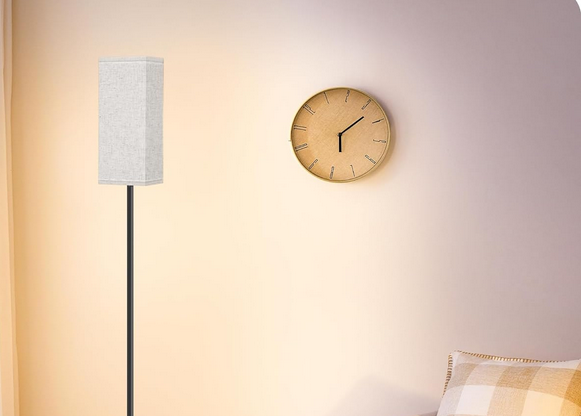
Position floor reading lamps 12-20 inches from your chair's side, with the light source slightly behind and to the side of your sitting position. This arrangement provides adequate light for reading while minimizing glare and shadows. The lamp's light should fall over your shoulder onto your reading material. Arc floor lamps can position farther away since their shade reaches over seating areas. Ensure cords don't create tripping hazards: use cord covers or route cables along walls.
Maintenance and Care Questions
How do I clean luxury lamp shades?
Cleaning methods vary by shade material. Fabric shades benefit from regular dusting with a soft brush attachment on your vacuum or a lint roller for light maintenance. For deeper cleaning, test a small hidden area first with gentle soap and water applied with a sponge, working in small sections. Paper and parchment shades require gentle dusting only: never use water. Glass shades clean easily with glass cleaner. Metal shades can be wiped with a damp cloth. Always turn off and unplug lamps before cleaning and ensure parts are completely dry before plugging back in.
How do I maintain brass lamp finishes?
Brass lamps may be lacquered (protected) or unlacquered (living finish). Lacquered brass resists tarnishing and requires only dusting and occasional wiping with a soft, damp cloth. Unlacquered brass develops patina over time, which many consider desirable. To maintain bright brass, use a brass polish according to manufacturer instructions. To remove tarnish from unlacquered brass, make a paste of lemon juice and baking soda, apply gently, then rinse and dry thoroughly. Never use abrasive cleaners that could scratch the finish.
When should I rewire an antique or vintage lamp?
Rewire vintage lamps if the cord is frayed, cracked, or stiff; the socket is damaged or loose; the plug is damaged; or if the lamp is more than 20 years old with original wiring. Old wiring poses fire hazards as insulation deteriorates. Professional rewiring costs $40-100 but ensures safety and functionality. This investment protects valuable lamps while making them safe for modern use. Some collectors prefer preserving original wiring for authenticity, but always prioritize safety over historical accuracy in working lamps.
Style and Design Questions
How do I mix different lamp styles in one room?
Successfully mixing lamp styles requires finding common elements that create cohesion. You might vary styles while maintaining consistent finishes (all brass bases, for example), similar color palettes, or comparable scale. The "rule of three" works well: using three different lamp styles creates intentional variety rather than random mismatch. Consider having one statement lamp and supporting it with simpler styles. Avoid mixing too many ornate styles in one space, but don't hesitate to pair a traditional lamp with modern furniture or vice versa. Eclectic spaces often feel most collected and personal.
Should table lamps in a room match?
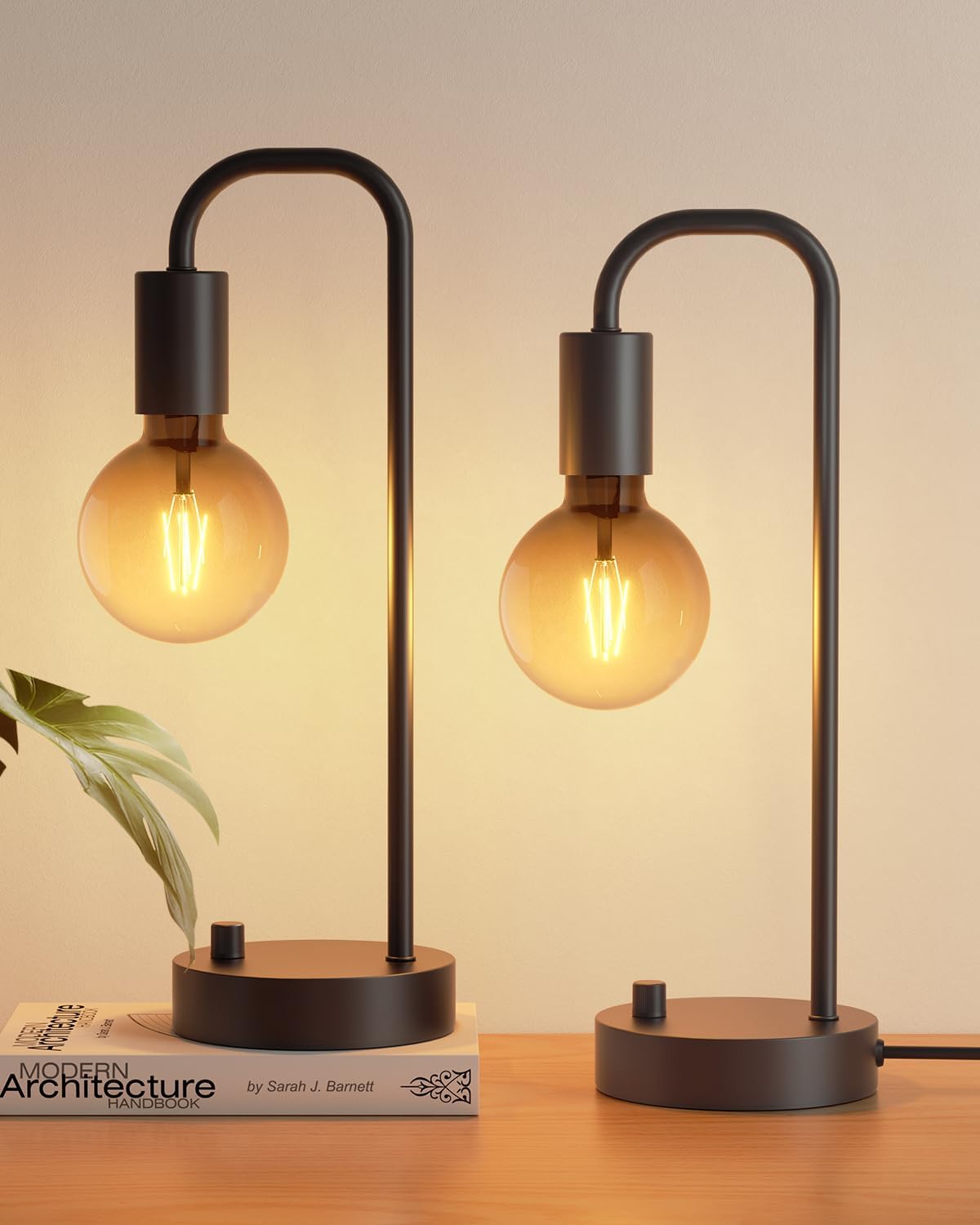
Lamps don't need to match perfectly, but they should coordinate. Identical lamps work beautifully flanking a bed or fireplace, creating formal symmetry. However, mismatched lamps of similar height, style era, or color family create interesting, collected looks. Ensure lamps balance visually even if they're different: pairing a larger simple lamp with a smaller ornate one balances visual weight. Consider your overall design approach; formal traditional spaces benefit from matching pairs, while eclectic or casual spaces embrace variety. The key is intentionality: deliberate mixing looks sophisticated, while random assortment appears haphazard.
How do I choose lamps for an open-concept space?
Open-concept spaces benefit from a cohesive lighting strategy that defines zones while maintaining visual flow. Choose lamps that share a common element like finish, style era, or color palette, but vary scale and type appropriate to each zone. Use floor lamps to define conversation areas, table lamps on console tables to create entryway moments, and desk lamps in workspace zones. Ensure no single zone feels drastically different in style, which would fragment the space. Arc floor lamps work excellently in open plans, providing focused light without requiring side tables. Consider sight lines: lamps visible from multiple areas should relate to each other aesthetically.
These FAQs cover the most common questions about luxury lamps, but remember that personal preference ultimately guides your choices. The best lamp combines function, beauty, and joy: select pieces that illuminate your life beautifully while reflecting your personal style.