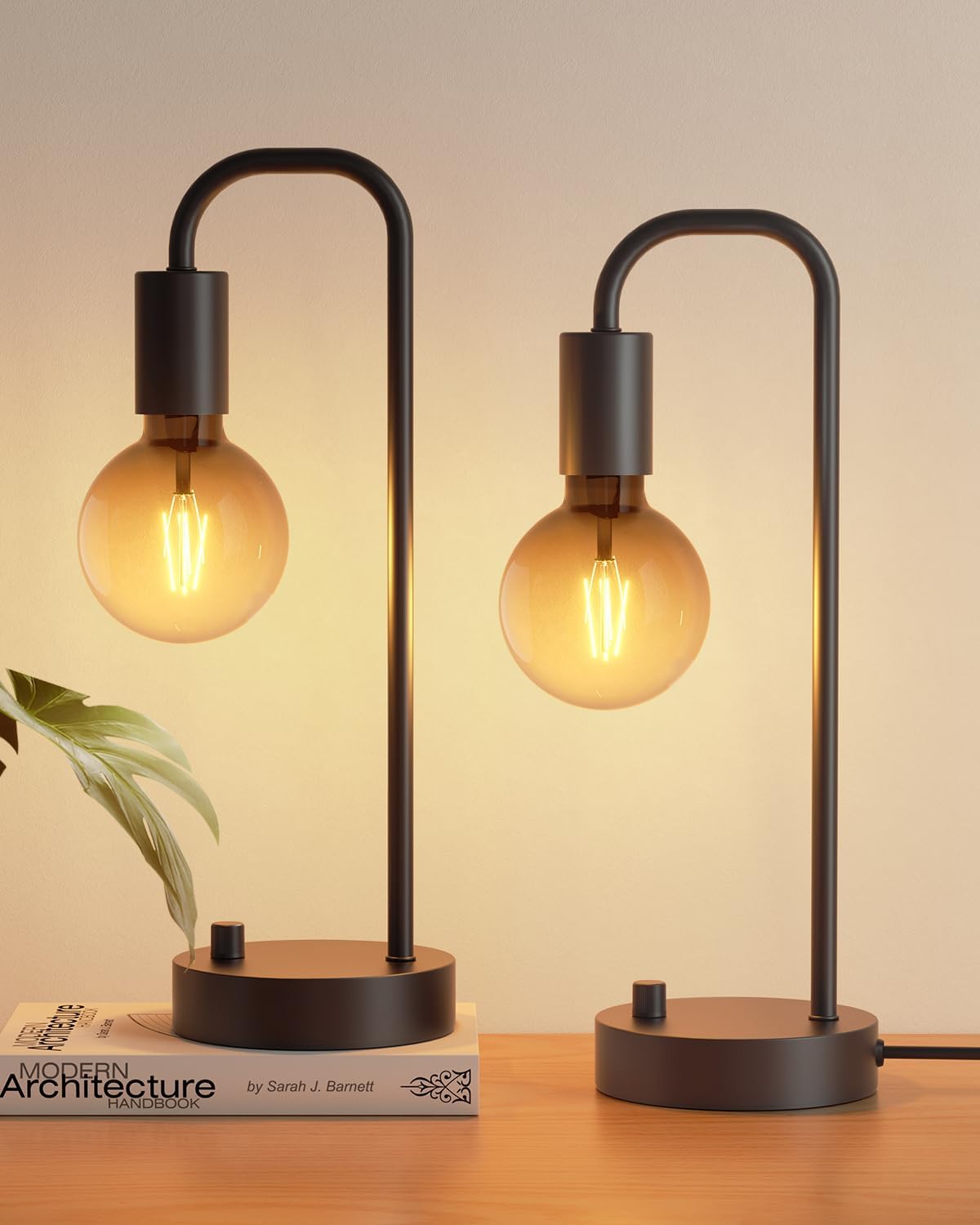
LED vs. Incandescent: The Complete Comparison
With luxury lamps being a significant investment, choosing the right bulb technology affects both your electric bill and the lamp's performance. Here's everything you need to know about LED versus incandescent bulbs.
Energy Efficiency
LED Bulbs: Use 75-80% less energy than incandescent bulbs. A 10-watt LED produces the same light as a 60-watt incandescent. This translates to significant electric bill savings, especially if you run lamps frequently.
Incandescent Bulbs: Convert only 10% of energy to light; the rest becomes heat. This inefficiency costs more to operate and can make rooms warmer: a concern in summer months.
Lifespan Comparison
LED Bulbs: Last 25,000-50,000 hours (20-40 years with average use). You'll replace them rarely, reducing maintenance and replacement costs. Perfect for hard-to-reach fixtures.
Incandescent Bulbs: Last only 1,000-2,000 hours (about one year with regular use). Frequent replacement means ongoing costs and the inconvenience of bulb changes.
Cost Analysis
Initial cost: LED bulbs cost $3-15 each; incandescent cost $1-2 each. However, over 10 years:
- LED Total Cost: $15 (bulb) + $33 (electricity) = $48
- Incandescent Total Cost: $20 (10 bulbs) + $180 (electricity) = $200
LED bulbs pay for themselves within 6-12 months through energy savings alone.
Light Quality
LED Bulbs: Available in any color temperature from warm white (2700K, similar to incandescent) to cool daylight (5000K+). Dimmable LEDs are now widely available but require compatible dimmers. Quality matters: cheap LEDs may flicker or have poor color rendering.
Incandescent Bulbs: Produce warm, flattering light (2700K) that many prefer for living spaces and bedrooms. Natural dimming capability without special equipment. No flicker or buzz.
Heat Generation
LED Bulbs: Stay cool to the touch, making them safe for enclosed fixtures and reducing fire risk. Won't heat up lampshades or melt delicate materials.
Incandescent Bulbs: Get extremely hot during use. Can damage lamp components, fade lampshades, and burn fingers if touched. Not safe for small enclosed fixtures.
Environmental Impact
LED Bulbs: Contain no mercury or toxic materials. Lower energy use reduces carbon footprint. Longer lifespan means less waste. Recyclable through proper e-waste programs.
Incandescent Bulbs: Contain no toxins but higher energy consumption and frequent replacement create more environmental impact over time.
Compatibility with Luxury Lamps
Designer lamps often have specific bulb requirements. Check your lamp's specifications:
- Wattage limits: Many designer lamps limit wattage to prevent heat damage. LEDs' lower wattage makes them ideal.
- Bulb shape: Vintage-style LED bulbs now replicate incandescent Edison bulbs perfectly for exposed-bulb designs.
- Dimmer compatibility: If your lamp has a dimmer, verify LED compatibility and potentially upgrade to LED-compatible dimmers.
Best Use Cases
Choose LED for:
- Lamps used 4+ hours daily
- Hard-to-reach fixtures
- Enclosed lamp designs
- Energy cost concerns
- Environmental consciousness
Choose Incandescent for:
- Vintage lamps where authenticity matters
- Rarely-used decorative lamps
- Existing dimmer systems that aren't LED-compatible
- Preference for traditional warm glow
The Bottom Line
For most luxury lamp owners, LEDs are the superior choice. The higher upfront cost is offset by dramatic energy savings, virtually maintenance-free operation, and improved safety. Modern LED technology has eliminated the quality concerns of early generations.
However, if you have vintage or antique lamps where authenticity is paramount, quality incandescent bulbs can still be appropriate for occasional use. For daily-use lamps, LEDs are the clear winner for your wallet and the environment.