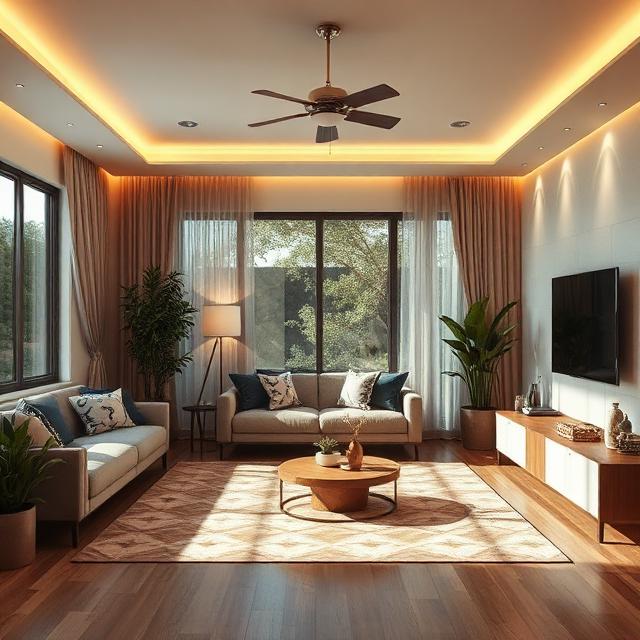
Walk into almost any room that feels dull or uninviting and you'll find the same problem: a single overhead light doing all the work. One fixture is almost never enough. A well-lit room uses at least three distinct layers of light, each serving a different purpose, and together creating depth, warmth, and atmosphere that a single ceiling fixture simply cannot achieve.
This guide walks through exactly what layered lighting means, why it works, and how to apply it room by room across your entire home.
The Three Layers of Light (And Why Each Matters)
Every effective lighting scheme is built on the same three-layer framework. Understanding what each layer does is the foundation for everything that follows.
Layer 1: Ambient Lighting
Ambient light is your base layer: the general illumination that replaces natural daylight after dark. It fills the room broadly and evenly. In most homes it comes from an overhead fixture: a ceiling pendant, a flush-mount light, recessed downlights, or a chandelier. Without a solid ambient layer, no amount of accent lighting will save a room.
The common mistake here is relying on ambient light alone. When you walk into a room that feels flat and clinical, ambient-only lighting is usually the culprit.
Layer 2: Task Lighting
Task lighting is focused, directed light placed where specific activities happen: reading beside a chair, food prep on a kitchen counter, applying makeup at a vanity, working at a desk. It needs to be bright enough to eliminate eye strain without creating harsh glare on the surrounding surfaces.
Task lighting is functional first, but choosing task fixtures with good design means they double as decorative elements rather than purely utilitarian ones.
Layer 3: Accent Lighting
Accent light does the most aesthetic work. It creates depth by selectively illuminating objects, surfaces, and architectural features like artwork, bookshelves, plants, and textured walls, drawing the eye to what matters and casting the rest in softer relief. It's the layer that gives a room mood and dimension.
Accent lighting is what separates a "well-lit" room from one that feels genuinely designed.
The Dimmer Switch: The Most Overlooked Tool in Lighting Design
Before getting into room-by-room specifics, there's one universal rule: put every light in your home on a dimmer if at all possible. Being able to reduce ambient light from 100% to 40% in the evening is transformative. It shifts the room's atmosphere from functional to comfortable without changing a single fixture or bulb.
Modern dimmer switches are inexpensive, and most smart lamps handle dimming through an app or voice command. This single investment (often $10-$20 per switch) delivers more atmosphere improvement than almost any other upgrade.
Color Temperature: Choosing the Right "White" for Each Room
Light color is measured in Kelvin (K). The lower the number, the warmer and more amber the light; the higher, the cooler and bluer. For home use:
- 2700K: Warm white. Closest to incandescent light. Best for living rooms, bedrooms, dining rooms, and anywhere you want to feel relaxed.
- 3000K: Soft white. Slightly cooler than 2700K but still flattering. Good for kitchens and bathrooms where some clarity is useful.
- 3500-4000K: Neutral/cool white. Best for home offices, craft rooms, and garages where accuracy and alertness matter.
- 5000K+: Daylight. Avoid in living spaces, as it reads as clinical and makes relaxation difficult.
The most common mistake is buying 5000K bulbs for the entire house because they seem "brighter." They are brighter, but bright and comfortable are different things. Use 2700K in every room where you want to feel at ease.
Living Room Lighting: Three Layers in Practice
The living room is where layered lighting makes the biggest visible difference. A poorly lit living room is often the only room in a home that gets used differently by day and night, inviting in sunlight but dreary after dark.
Ambient Layer
A central ceiling fixture (pendant, flush mount, or chandelier) provides your base. If you have recessed downlights, use them, but avoid having them as your only source. Downlights pointed straight down create unflattering shadows on faces and leave the middle areas of the room in deeper shadow than the perimeter.
Task Layer
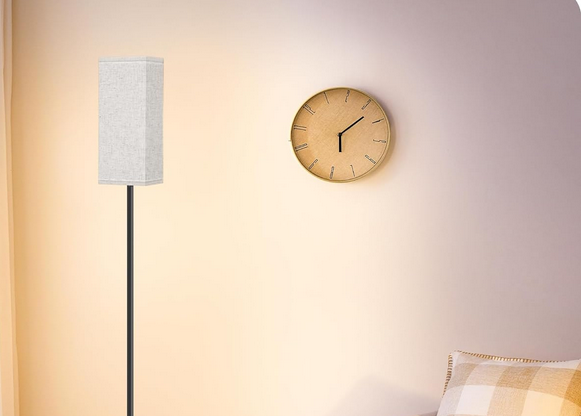
A reading arc floor lamp positioned to sweep over the reading end of your sofa is the most efficient task light in a living room. It provides overhead-style illumination for reading without requiring a ceiling fixture, and the dramatic arc creates a strong visual anchor in the corner of the room. The Brightech Logan Arc Floor Lamp is particularly well-suited to this: its wide shade diffuses light rather than directing it harshly, and its heavy marble base prevents tipping.
Accent Layer
A smaller table lamp on a console table or bookshelf shelf creates a warm pool of accent light that draws the eye to that area and breaks up the room's horizontal plane. The Onewish Industrial Table Lamps (set of 2) are genuinely useful here: place one on a console table and one on a bookshelf for matching pools of warm accent light on opposite sides of the room, creating visual balance.
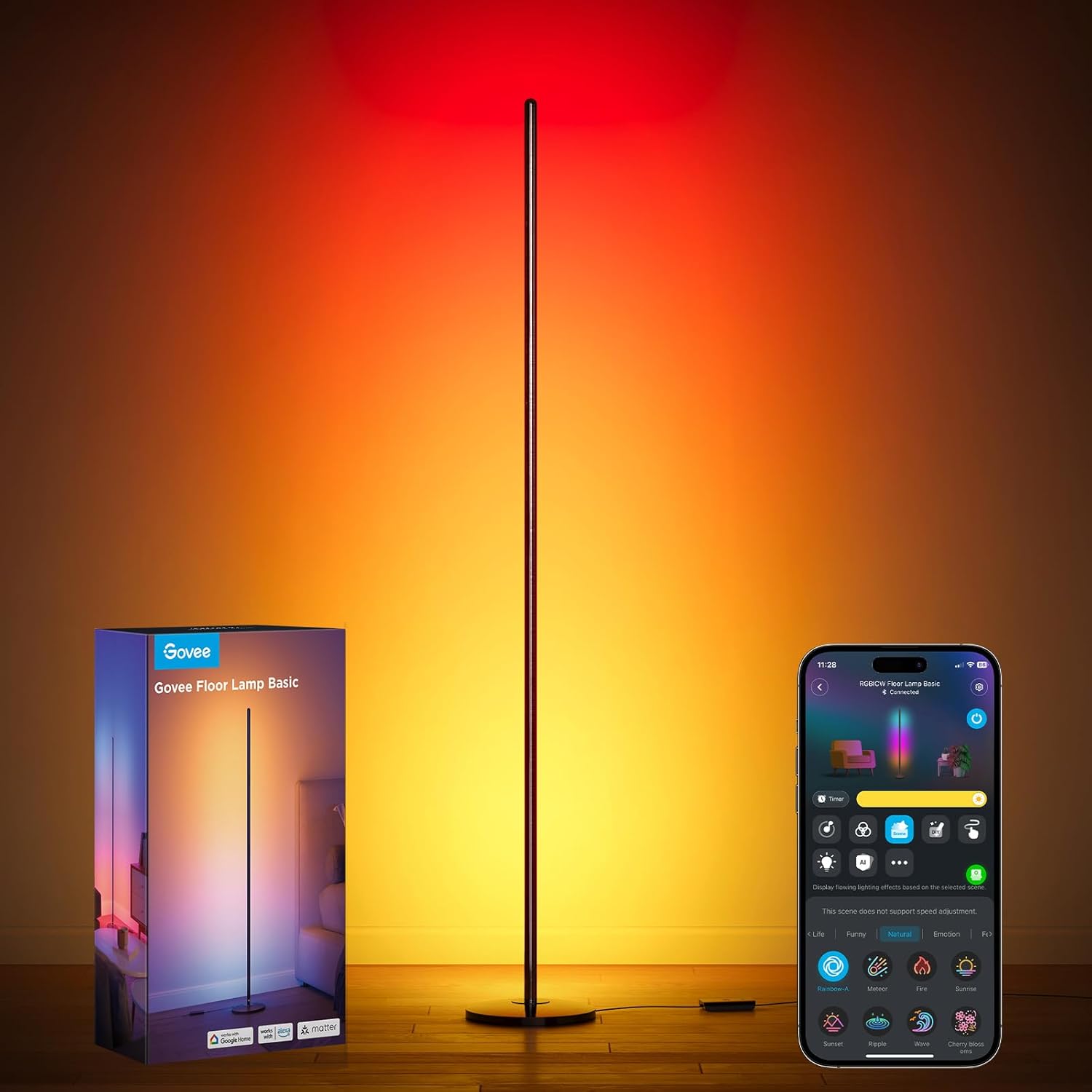
For a more dynamic accent layer, consider an app-controlled smart floor lamp that lets you shift color temperature and brightness based on the time of day, warm and dim in the evening, cooler and brighter in the morning.
Bedroom Lighting: Prioritizing Calm and Function
The bedroom presents a specific challenge: it needs to serve very different functions depending on the time of day. Getting ready in the morning requires clear, bright light. Winding down at night requires the opposite. Layering allows you to address both without compromise.
Ambient Layer
A ceiling fixture on a dimmer is essential in the bedroom. At 100%, it functions as a general light for dressing and cleaning. Dimmed to 20–30%, it becomes a soft background glow for evening routines.
Task Layer
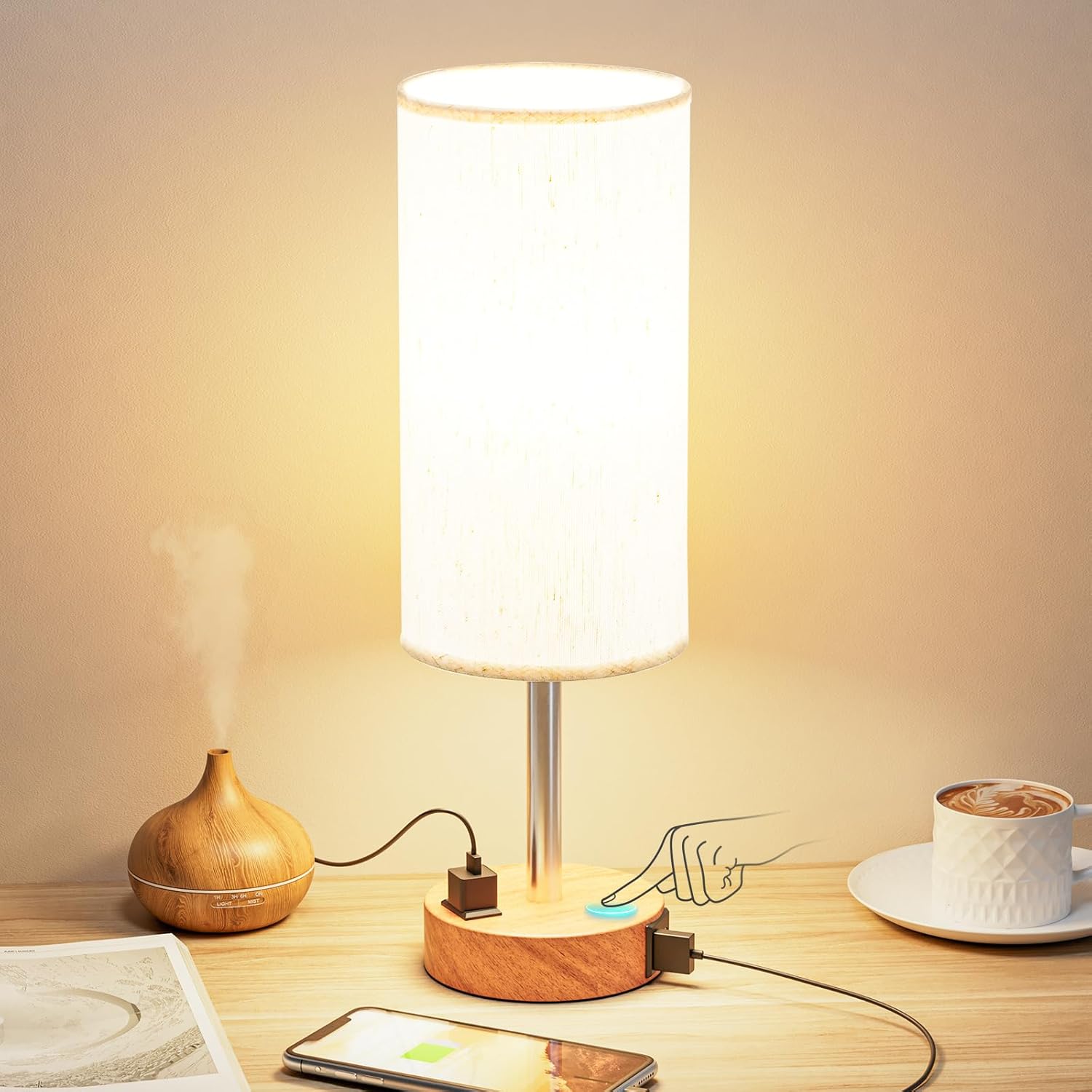
Bedside table lamps or wall-mounted reading lights provide focused illumination for reading without lighting the entire room. A bedside lamp with a warm-toned shade (linen, cotton, or silk) casts light downward and slightly outward, perfect for reading without disturbing a partner. The Fenmzee Bedside Table Lamp delivers this warmth in a compact format that works on even small nightstands.
Accent Layer
Accent lighting in the bedroom is subtle by design. Consider: a small lamp on a dresser, LED strip lighting behind the headboard (at 2700K, not RGB), or a candle warmer lamp on a side table that adds a flickering glow without a live flame. These touches make the room feel considered and calming rather than simply functional.
A specific bedroom tip: Avoid overhead lights directly above the bed. Lying down and looking straight up at a ceiling fixture is uncomfortable and unflattering. Position your ambient fixture toward the room's center or foot-of-bed area instead.
Kitchen Lighting: Clarity and Warmth Together
Kitchens need to be the most functional rooms in the house, but they also benefit enormously from atmospheric lighting during meals and social gatherings. The layered approach handles both.
Ambient Layer
Recessed downlights or a central pendant provide overall kitchen illumination. In kitchens with an island, a row of pendants over the island serves as both ambient and task light; choose pendants that direct light downward for the best island surface illumination.
Task Layer
Under-cabinet lighting is the most impactful kitchen task-lighting upgrade available. LED strips installed under upper cabinets cast direct light onto the counter surface where food prep happens, eliminating the shadows that overhead fixtures create. A color temperature of 3000-3500K works well here, slightly cooler than living spaces but not cold.
Accent Layer
Open shelving lit from inside or above with small puck lights makes kitchen displays feel intentional. Display your nicest glassware, a ceramic collection, or a row of plants under soft top lighting and the kitchen immediately feels more like a designed space than a purely utilitarian one.
Dining Room Lighting: Drama and Intimacy
The dining room has the most straightforward lighting brief of any room: it should make food look appealing, people look good, and conversation feel intimate. A single pendant or chandelier hung low over the table, roughly 30 to 34 inches above the tabletop, and handles all three when properly dimmed.
Ambient Layer
The overhead fixture is both the ambient and task light in a dining room. Position it centered over the table, not the room. A fixture that's slightly too large for the table is more dramatic and effective than one that's too small (a common mistake).
Accent Layer
A buffet or console table against the wall benefits from a pair of table lamps or a set of wall sconces. These create a warm second plane of light at a lower level than the overhead fixture, giving the room depth and preventing the harsh contrast between a bright central light and completely dark surroundings.
Candles, whether on the table itself or clustered on a sideboard, are the oldest accent light in dining history and remain the most effective. Nothing creates intimacy at a dinner table more efficiently than candlelight.
Home Office Lighting: Productivity and Eye Health
Home office lighting has one non-negotiable requirement that other rooms don't: it must prevent eye strain during extended screen use. The primary source of eye strain is not the screen itself; it's the contrast between a bright screen and a dark surrounding environment. Lighting the room properly dramatically reduces fatigue.
Ambient Layer
A ceiling fixture at moderate brightness (not at full intensity; the room should be roughly as bright as your monitor, not brighter or darker) provides the base. Use a color temperature of 3500-4000K in the office, slightly cooler than living spaces, to support alertness.
Task Layer
A desk lamp positioned to the side of your monitor (not directly behind it, which creates glare on the screen) provides focused task light. Place it to the left if you're right-handed, right if left-handed. Look for a lamp with adjustable arm and adjustable color temperature. Being able to shift from 4000K during working hours to 2700K in the evening is genuinely useful for managing alertness.
Accent Layer
Bias lighting, specifically an LED strip mounted on the back of your monitor or along the wall behind the desk, dramatically reduces eye strain by illuminating the wall around the screen. Set it to 6500K to match the color temperature of your screen, or use a warm white if you prefer a more residential feel. Either way, the resulting reduction in contrast is measurable and significant.
Bathroom Lighting: Flattering Function
Bathroom lighting tends to be the least thoughtfully designed of any room in the house, and the consequences are direct and personal. Bad bathroom lighting makes grooming harder, makes the space feel clinical, and is genuinely unflattering.
Ambient Layer
A dimmable ceiling fixture (recessed or flush-mount) provides general illumination. Being able to dim this to 10–20% for late-night bathroom visits means you don't have to blast bright light at 2am.
Task Layer
Side-mounted sconces at eye level (approximately 60–65 inches from the floor) on either side of the mirror provide the most flattering, shadow-free light for grooming. This is how professional makeup artists and hotel bathroom designers light their spaces, and it makes a significant difference over a single backlit mirror or overhead light. Choose 2700–3000K bulbs to avoid the unflattering cast of daylight bulbs at close range.
Accent Layer
A small accent lamp on a shelf or a cluster of candles near a freestanding bathtub creates spa-like atmosphere that a purely functional bathroom lighting scheme never achieves. If you already have our luxury bathroom decor guide bookmarked, this is the lighting layer that brings those ideas together.
Entryway and Hallway Lighting: First Impressions
The entryway is the first room guests experience, and often the most poorly lit. A dark entryway makes a home feel smaller and less welcoming than it is.
Ambient Layer
A statement pendant or flush-mount fixture in the entryway does double duty as ambient light and visual anchor. Choose something with real presence. The entryway is often the only place where a more decorative or dramatic fixture is appropriate even in understated homes.
Accent Layer
A table lamp on a console table is the single most effective entryway improvement available. It adds warmth at a lower level than the ceiling fixture, creates a visual focal point, and signals that the space has been thoughtfully furnished. See our console table styling guide for more ideas on making this space work harder.
Pulling It All Together: A Room-by-Room Checklist
Use this checklist as you assess each room in your home. If a room has fewer than two layers active at any given time, it's ready for an upgrade.
- Living room: Ceiling or pendant (ambient) + arc or floor lamp (task) + table lamp or wall sconce (accent)
- Bedroom: Ceiling on dimmer (ambient) + bedside lamps (task) + dresser lamp or LED strip (accent)
- Kitchen: Overhead or pendants (ambient) + under-cabinet strips (task) + shelf or display lighting (accent)
- Dining room: Low-hung pendant (ambient + task) + buffet lamps or sconces (accent)
- Home office: Ceiling fixture (ambient) + desk lamp (task) + bias lighting (accent)
- Bathroom: Dimmable ceiling (ambient) + side vanity sconces (task) + accent lamp or candles (accent)
- Entryway: Statement pendant (ambient) + console table lamp (accent)
Where to Start If You're Starting From Scratch
If the entire concept feels overwhelming, start with these three steps in order:
- Add dimmers to whatever overhead fixtures you already have. This costs almost nothing and provides immediate improvement.
- Add one floor or arc lamp to your living room, the room where you spend the most time. See our floor lamp buying guide for help choosing the right style.
- Add bedside table lamps if you don't already have them. This single addition transforms the bedroom from a functional sleeping room into a genuinely comfortable space.
Lighting design is iterative. You don't need to perfect every room simultaneously. Add one layer at a time, assess the result, and build on it. Within a few months, your home will be unrecognizable, in the best possible way.