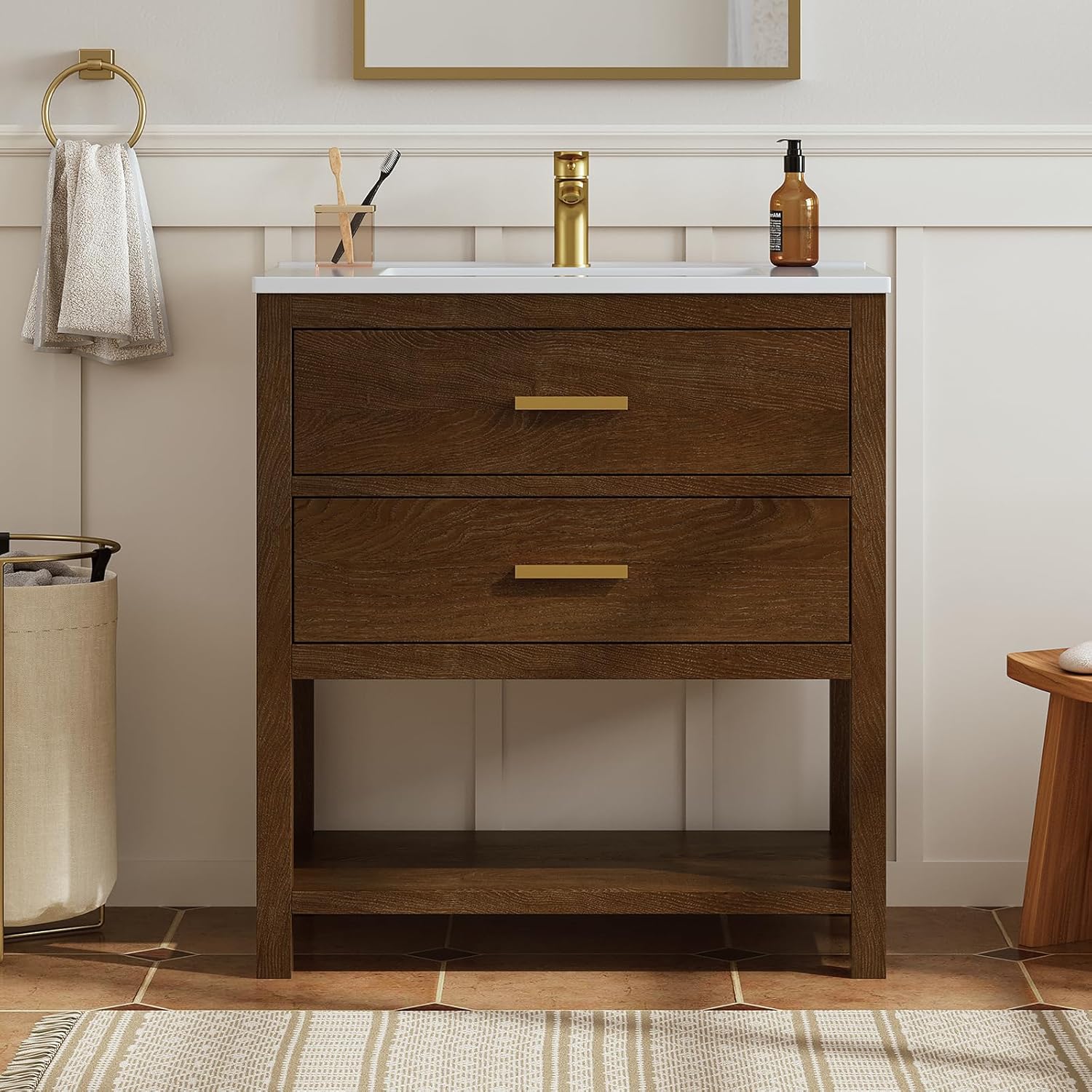
The Complete Bathroom Vanity Sizing Guide
Choosing the right vanity size can make or break your bathroom renovation. Too small and it feels cramped; too large and it overwhelms the space. This comprehensive guide will help you select vanity dimensions that balance style, storage, and functionality.
Standard Vanity Dimensions
Bathroom vanities come in standard sizes, but "standard" varies by bathroom type:
- Powder Room: 18-24 inches wide, perfect for half-baths
- Single Sink: 24-48 inches wide, ideal for small to medium bathrooms
- Double Sink: 60-72 inches wide, requires at least 5 feet of wall space
- Height: Standard is 32-36 inches tall; "comfort height" is 36 inches (matches kitchen counters)
- Depth: Standard is 21 inches; compact is 18 inches; luxury is 24 inches
Measuring Your Space
Before shopping, take precise measurements:
Width: Measure your available wall space. Leave at least 6 inches clearance from walls, doors, or the toilet. In shared bathrooms, consider two smaller vanities instead of one large one for simultaneous use.
Height: Standard 32-inch vanities work for most users, but taller individuals prefer 36-inch comfort height. Consider who uses the bathroom most. If children are primary users, stick with standard height.
Depth: Ensure at least 30 inches of clearance from the vanity front to the opposite wall or fixture. In tight spaces, choose an 18-inch depth compact vanity. Luxury spaces can accommodate 24-inch deep vanities with extra counter space.
Single vs. Double Sink Considerations
Double sink vanities need at least 60 inches of width, with 72 inches being more comfortable. Each sink needs 36 inches of counter space centered on its drain. If your bathroom is under 60 inches wide, choose a single sink to avoid cramped sinks too close together.
Storage Needs
Assess your storage requirements. Master bathrooms need more storage than powder rooms. Look for vanities with:
- Soft-close drawers for towels and toiletries
- Cabinet space for cleaning supplies
- Divided organizers for smaller items
- Pull-out shelves for easy access
Plumbing Considerations
Your existing plumbing location affects vanity placement. Moving plumbing adds significant cost. Measure where your drain and water supply lines are located and choose a vanity that accommodates existing plumbing positions.
Style and Proportion
Your vanity should be proportional to your bathroom size. In small spaces (under 50 sq ft), choose a 24-30 inch vanity. Medium bathrooms (50-100 sq ft) can handle 36-48 inch vanities. Large master suites (100+ sq ft) can accommodate 60-72 inch double vanities.
Freestanding vs. Wall-Mounted
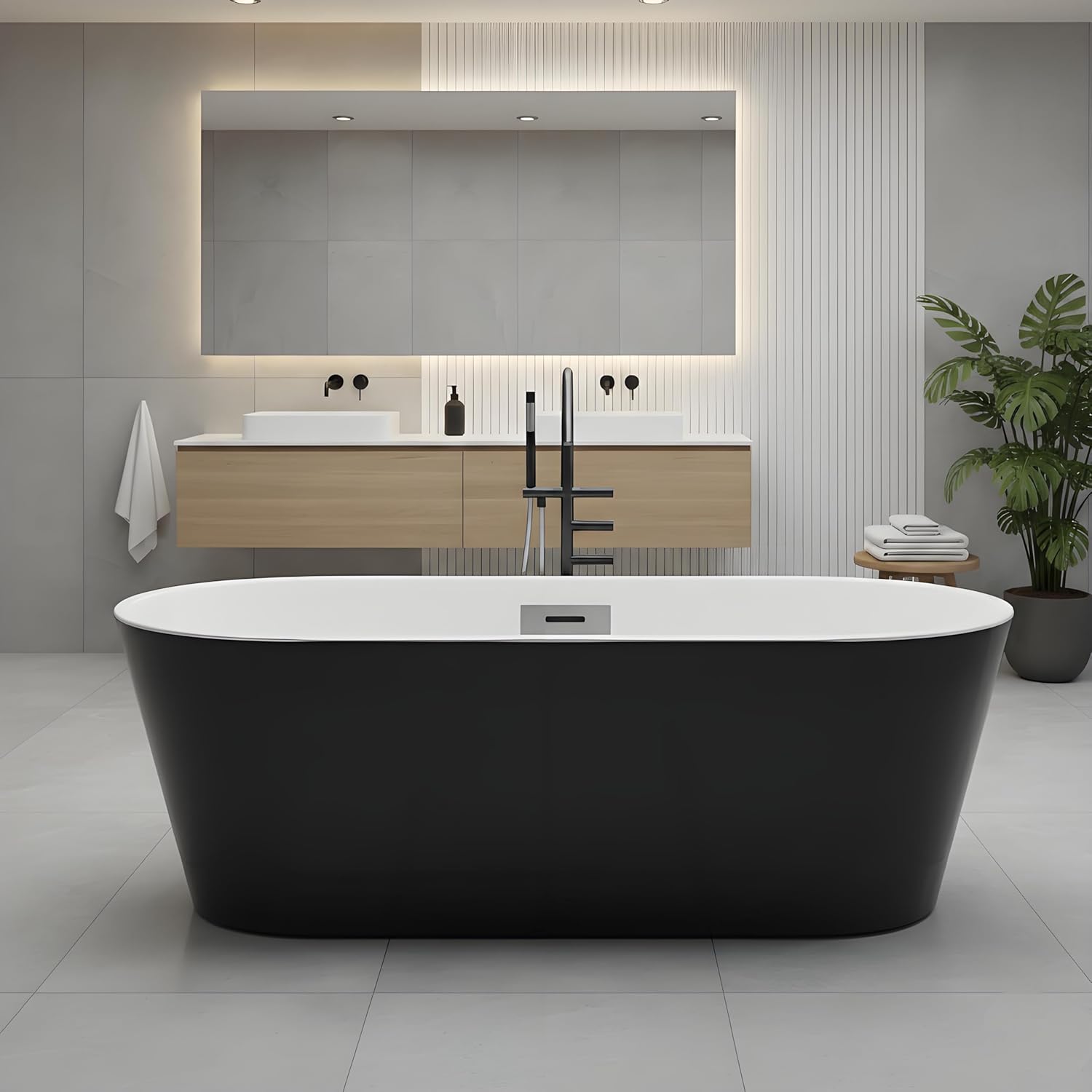
Wall-mounted vanities create the illusion of more space in small bathrooms by showing floor beneath. Freestanding vanities offer maximum storage but have a larger visual footprint. Consider your priorities: storage or spaciousness.
Final Tips
Create a bathroom floor plan mockup with tape on the floor before purchasing to visualize the vanity's footprint. Shop with your measurements in hand and don't compromise on clearances: bathroom building codes require minimum spacing for safety and function.
The right vanity size enhances daily routines, provides adequate storage, and maintains comfortable clearances that make your bathroom feel spacious and luxurious.