Modern vs. Traditional: Choosing Your Perfect Table Style
The dining table or coffee table you choose sets the tone for your entire room. Understanding the characteristics, benefits, and aesthetics of modern versus traditional table designs helps you make an informed decision that you'll love for years.
Defining Modern Table Design
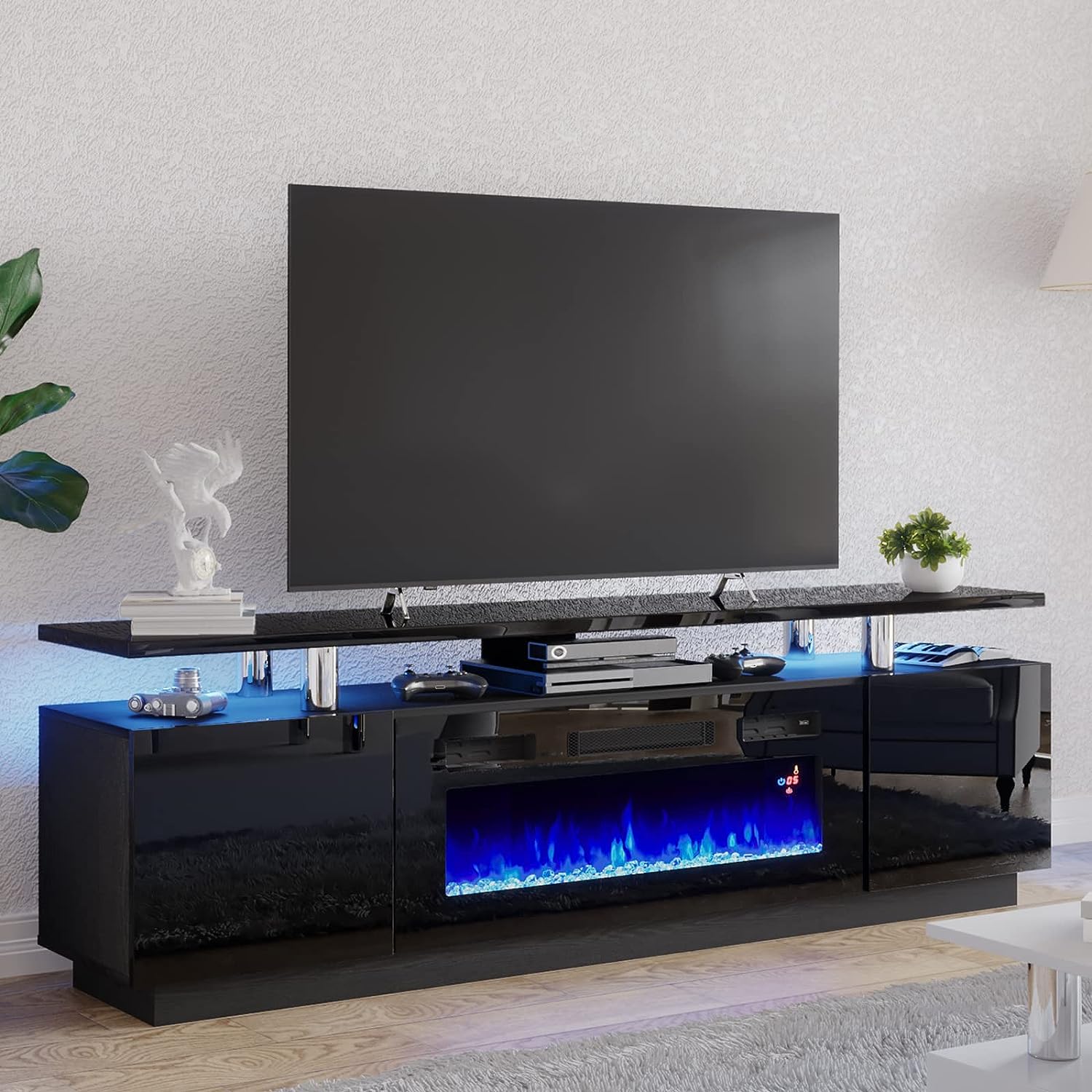
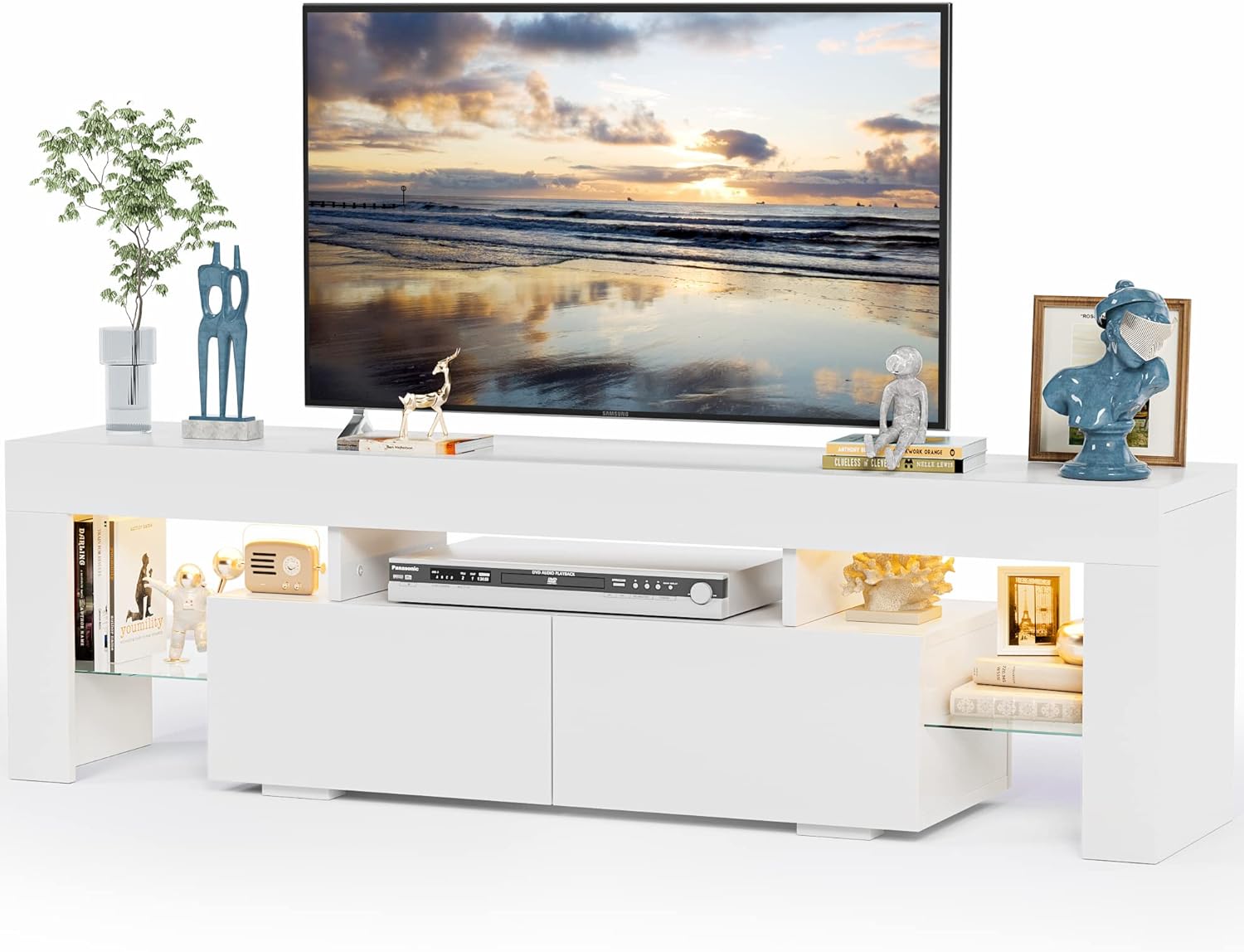
Modern tables emphasize clean lines, minimal ornamentation, and functional beauty. Key characteristics include:
- Materials: Glass, metal, lacquered wood, concrete, acrylic
- Shapes: Rectangular, oval, or geometric with sharp angles
- Finishes: High-gloss, matte, natural wood grain, industrial metals
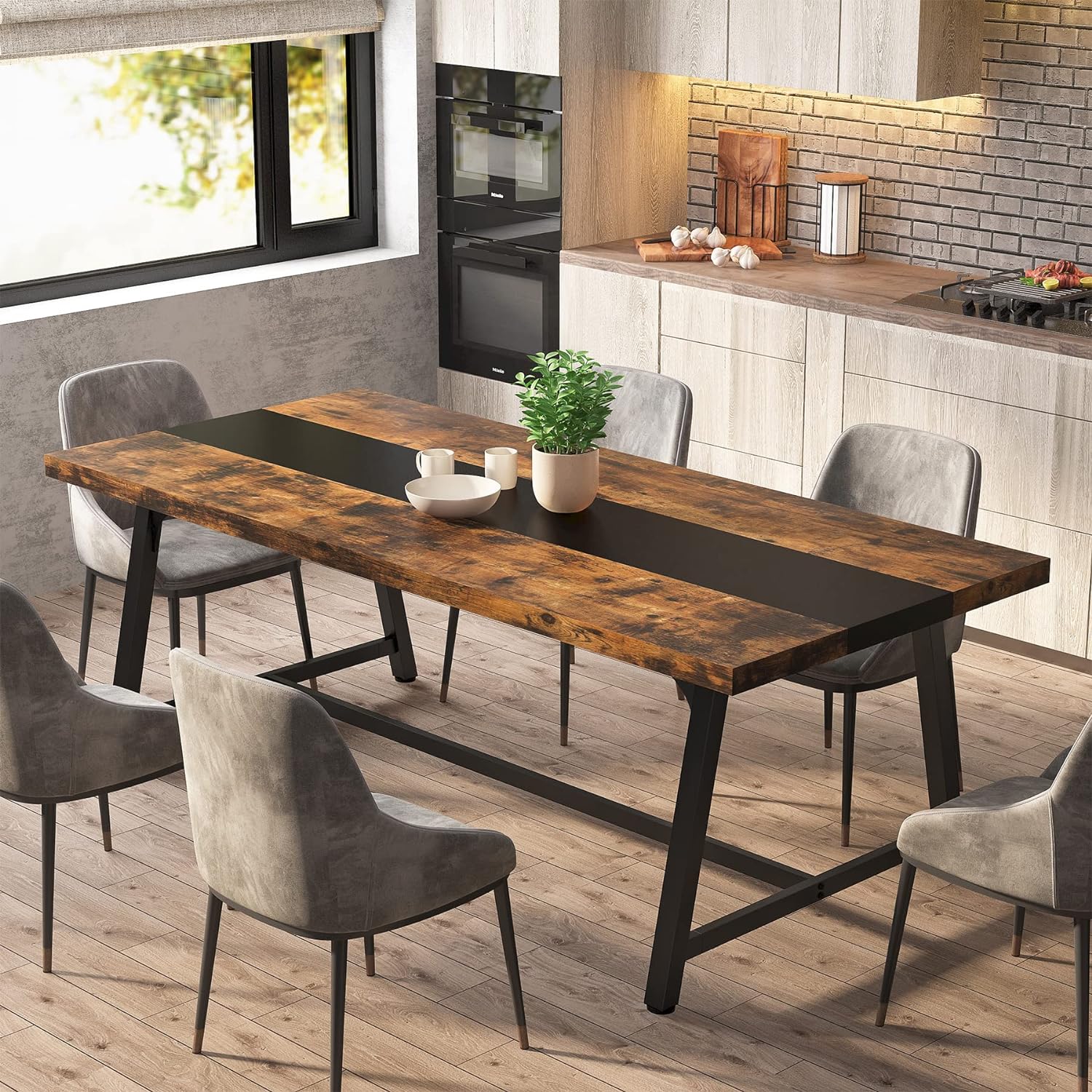
- Legs: Sleek metal, geometric wood, or pedestal bases
- Color Palette: Neutrals, blacks, whites, natural wood tones
Modern tables work beautifully in contemporary homes, lofts, minimalist spaces, and open-concept layouts. They create an airy feel and don't compete with other design elements.
Defining Traditional Table Design
Traditional tables feature ornate details, rich wood tones, and classic silhouettes. Characteristics include:
- Materials: Solid hardwoods (oak, cherry, mahogany, walnut)
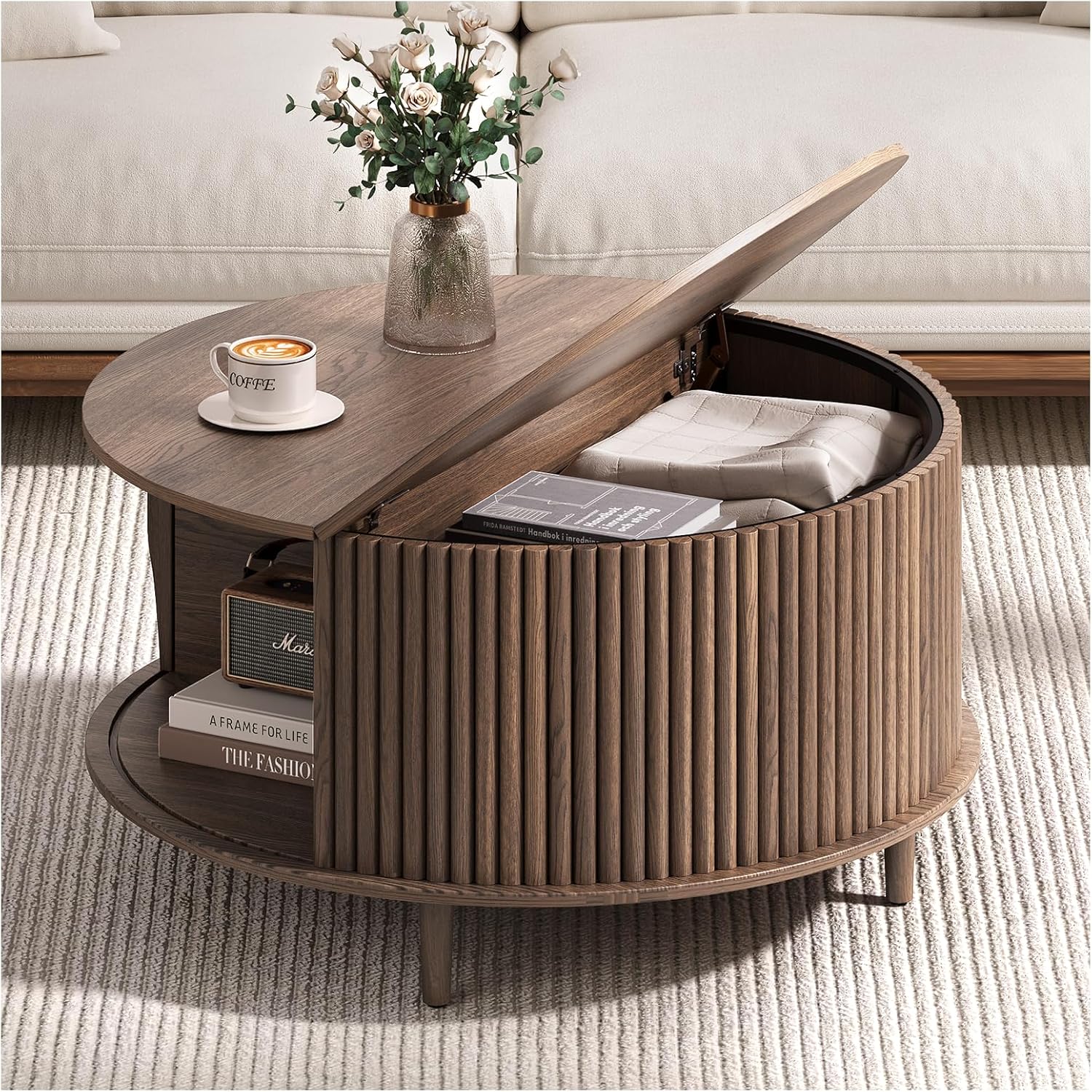
- Shapes: Round, oval, or rectangular with curved edges
- Finishes: Rich stains, hand-rubbed oils, antique patinas
- Legs: Turned, carved, or cabriole styles with decorative details
- Color Palette: Deep browns, burgundies, natural wood variations
Traditional tables suit classic homes, formal dining rooms, traditional decor schemes, and those who appreciate craftsmanship and timeless elegance.
Lifestyle Considerations
For Families: Traditional tables in dark finishes hide wear better. Modern tables with glass tops show every fingerprint but can make small spaces feel larger.
For Entertainers: Traditional tables with extensions seat more guests. Modern tables with clean lines are easier to style for different occasions.
For Small Spaces: Modern tables with glass tops or slim profiles create the illusion of more space. Traditional round tables maximize seating without corners.
Mixing Styles: Transitional Design
Can't choose? Transitional tables blend modern and traditional elements. Look for simple silhouettes in quality wood, clean lines with subtle detail, or traditional materials in contemporary finishes. This approach offers timeless appeal with contemporary relevance.
Investment and Resale Value
High-quality tables of either style hold value. Traditional solid wood tables can last generations and often appreciate. Modern designer pieces from established brands also retain value. Choose based on personal preference rather than resale concerns: you'll use this daily for years.
Coordination with Existing Decor
Your table doesn't need to match everything perfectly. In fact, mixing an unexpected table style can add visual interest. A modern table in a traditional home creates a curated, eclectic look. A traditional table in a modern space adds warmth and character.
Making Your Decision
Consider these questions:
- What's your home's overall style? (Doesn't need to match exactly)
- Do you prefer minimal or ornate design?
- What maintenance level are you comfortable with?
- Is this a forever home or a temporary space?
- What's your lifestyle (formal vs. casual, kids vs. adult-only)?
Visit showrooms to sit at tables, touch materials, and visualize them in your space. The "right" style is the one that makes you happy every time you see it. Trust your instincts and choose what resonates with your personal aesthetic.